

Cefaxone 1 gm IM vial: uses, side effects and price in Egypt
What is Cefaxone and what does it contain
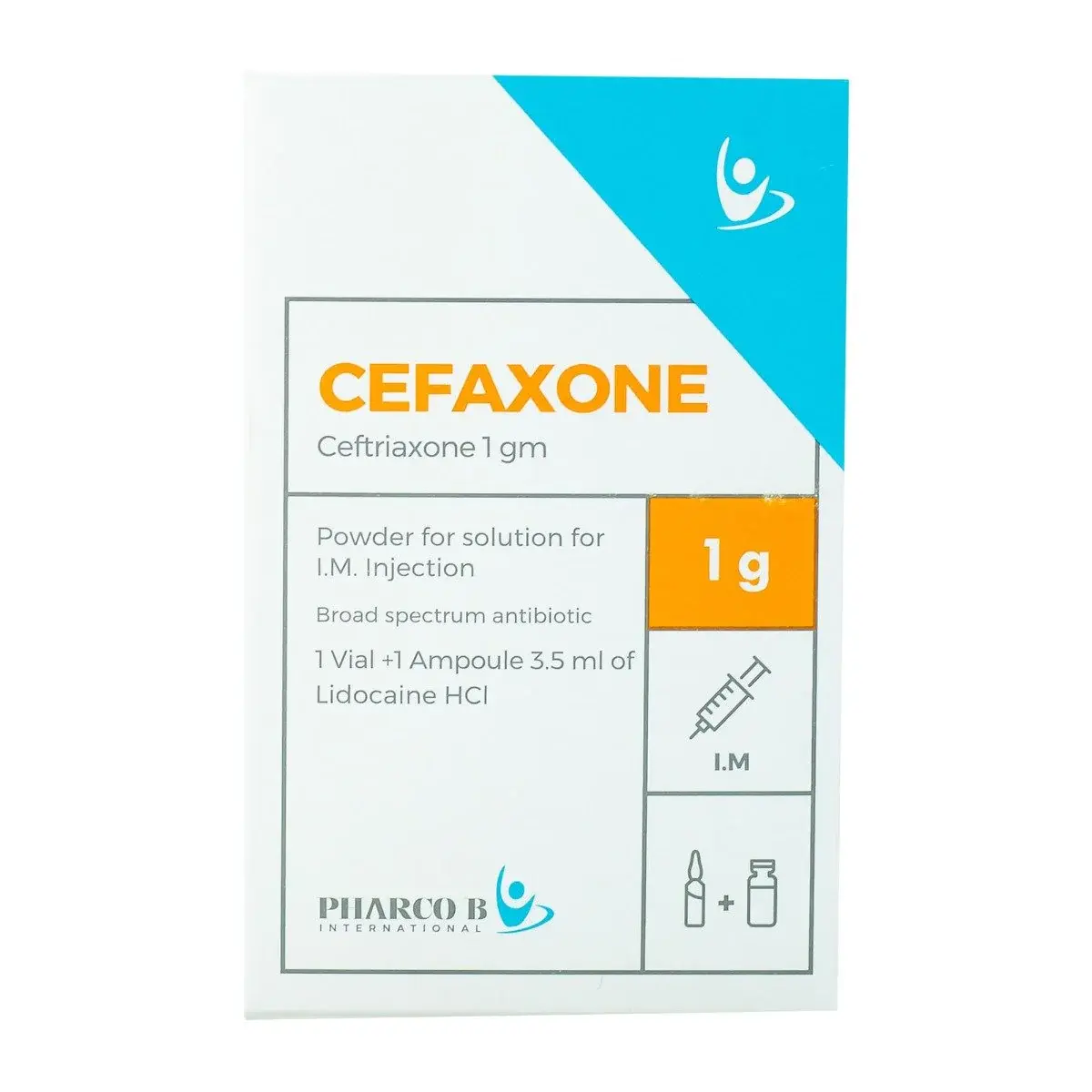
Cefaxone is a brand of ceftriaxone, a third-generation cephalosporin antibiotic. The product discussed here is Cefaxone 1 gm IM vial on Vezeeta, which is intended for intramuscular injection. Ceftriaxone kills susceptible bacteria by interfering with bacterial cell-wall formation.
Cefaxone is a prescription antibiotic. It should be used only when a bacterial infection is proven or strongly suspected, because unnecessary antibiotic use can increase bacterial resistance and expose the patient to avoidable side effects.
Searches such as Cefaxone 500, Cefaxone 1 gm IM, and Cefaxone 1 gm IV usually refer to different strengths or routes. The IM vial is prepared for injection into a muscle, while IV ceftriaxone products are prepared for use into a vein. Do not switch between IM and IV products or routes unless the doctor or pharmacist confirms the correct product and preparation.
What is Cefaxone used for
Cefaxone may be prescribed for susceptible bacterial infections, including pneumonia and lower respiratory tract infections, some urinary tract infections, meningitis, skin and soft tissue infections, bone and joint infections, abdominal infections, pelvic infections, gonorrhea, and prevention of infection around some surgeries. The decision depends on the infection site, severity, likely bacteria, local resistance patterns, allergies, and culture results when available.
If symptoms include high fever, shortness of breath, severe pain, confusion, flank pain with urinary burning, or infection in a child, medical assessment is important before using an antibiotic. You can book an Internal Medicine doctor through Vezeeta for diagnosis and treatment planning. For urinary symptoms, you may also read about urinary tract infection symptoms and treatment.
Cefaxone does not treat viral infections such as influenza, common cold, or most viral sore throats.
Cefaxone dosage and how to use it
The doctor determines the Cefaxone dose, frequency, route, and treatment duration according to the diagnosis, age, weight, kidney and liver function, infection severity, and test results. Do not copy another person’s prescription, repeat an old prescription, or extend the course without medical advice.
Cefaxone 1 gm IM is usually administered by a healthcare professional into a large muscle. If home administration is arranged, the patient or caregiver must receive clear instructions on preparation, injection technique, storage, disposal of needles, and when not to use the prepared solution.
Before or after food
Because Cefaxone is an injection, meals do not directly affect its absorption. Follow the doctor’s advice about fluids, especially if you have kidney, heart, or liver disease.
Missed dose
If a scheduled injection is missed, contact the doctor, clinic, or pharmacist for advice. Do not double the next injection unless a healthcare professional specifically tells you to do so.
How long does Cefaxone take to work
Some patients start to feel improvement in fever, pain, cough, urinary burning, or general illness within 24 to 72 hours, but response varies by infection type and severity. Feeling better early does not always mean the infection has fully resolved.
Seek reassessment if symptoms worsen, fever continues, breathing becomes difficult, confusion occurs, urine output drops, or severe diarrhea develops.
What are the side effects of Cefaxone
Common side effects may include pain, tightness, warmth, swelling, or a lump at the injection site, diarrhea, nausea, rash, vaginal itching or discharge, and changes in liver blood tests. Report persistent or troublesome symptoms to a doctor or pharmacist.
Get urgent medical help for swelling of the face or throat, difficulty breathing, widespread hives, severe rash with blistering or peeling, watery or bloody diarrhea, severe abdominal pain, yellow skin or eyes, dark urine, seizures, severe confusion, blood in urine, or very low urine output.
Contraindications and precautions
Do not use Cefaxone if you have had a serious allergic reaction to ceftriaxone or another cephalosporin antibiotic. Tell the doctor if you have had allergy to penicillins or other beta-lactam antibiotics, because cross-allergy may occur in some patients.
Ceftriaxone is contraindicated in premature newborns up to a postmenstrual age of 41 weeks, in hyperbilirubinemic newborns, and in newborns aged 28 days or younger who need or are expected to need calcium-containing IV solutions. Ceftriaxone solutions prepared with lidocaine must not be given intravenously. If lidocaine is used for IM preparation, lidocaine contraindications must also be checked.
Use requires caution in people with kidney or liver disease, gallbladder disease, diabetes, bleeding problems, previous antibiotic-associated diarrhea, or a history of severe drug allergy.
Cefaxone drug interactions
Tell the doctor about all medicines, injections, vaccines, and supplements you use. Important concerns include calcium-containing IV fluids, anticoagulants such as warfarin, aminoglycoside antibiotics, some live bacterial vaccines such as BCG or typhoid vaccine, and other injectable medicines given through the same line. Ceftriaxone should not be mixed in the same syringe or IV line with calcium-containing diluents or incompatible injectable medicines.
Cefaxone during pregnancy and breastfeeding
Ceftriaxone may be used during pregnancy when clearly needed and prescribed by a doctor. The decision depends on the infection, expected benefit, available alternatives, and pregnancy stage.
Ceftriaxone passes into breast milk in low amounts. Breastfeeding mothers should tell the doctor, especially if the baby is premature, jaundiced, unwell, or develops diarrhea, rash, or oral thrush.
Can Cefaxone be taken every day and long term
Cefaxone may be prescribed daily for a short course in some infections, but it is not a routine long-term medicine. The treating doctor determines how long treatment should continue. Long or repeated use can increase the risk of resistant bacteria, fungal overgrowth, antibiotic-associated colitis, and abnormal laboratory results.
Do not stop early because you feel better, and do not continue injections because symptoms remain. Both situations require medical review.
What are the alternatives to Cefaxone
Alternatives depend on the infection and test results. Doctors may choose another injectable cephalosporin, an oral antibiotic, a penicillin-type antibiotic, a macrolide, a fluoroquinolone, or a different class. Other ceftriaxone products may be considered alternatives only when the active ingredient, strength, route, and quality are appropriate.
Cefaxone price in Egypt
The price of Cefaxone injection in Egypt can change according to availability, pharmacy updates, and pack selection. For the current product page and ordering options, check Cefaxone 1 gm IM vial on Vezeeta Pharmacy. Do not choose an antibiotic based on price alone; the correct choice depends on diagnosis.
Frequently asked questions
What are Cefaxone injections?
They are prescription antibiotic injections containing ceftriaxone for susceptible bacterial infections.
What are the uses of Cefaxone 1 gm injection?
It may be used for infections such as pneumonia, urinary tract infections, meningitis, skin infections, abdominal infections, pelvic infections, and selected sexually transmitted infections when appropriate.
When does Cefaxone start working?
Many patients improve within 1 to 3 days, but timing depends on the infection and response to treatment.
How many days are Cefaxone 1 gm injections given?
The doctor sets the duration according to the diagnosis and response. Do not decide the number of days yourself.
Is Cefaxone 1 gm IM the same as Cefaxone 1 gm IV?
No. The strength may be similar, but the route and preparation differ. Use only the route prescribed.
Can Cefaxone treat sore throat or flu?
It does not treat flu or viral colds. It is used only when a bacterial infection needs ceftriaxone.
Is Cefaxone painful?
IM injections can cause pain, tightness, or a lump at the injection site. Severe swelling or rash needs medical review.
Can children use Cefaxone?
Children may receive ceftriaxone only under a doctor’s prescription. Certain newborns must not receive it.
Can Cefaxone cause diarrhea?
Yes. Mild diarrhea can occur, but watery, bloody, or severe diarrhea needs urgent medical advice.
Can I mix Cefaxone with calcium solutions?
No. Ceftriaxone must not be mixed with calcium-containing IV diluents, and newborn restrictions are especially strict.
Can I use leftover Cefaxone later?
No. Leftover antibiotics should not be reused without a new medical assessment.
Do I need a prescription for Cefaxone?
Yes. Cefaxone is a prescription antibiotic and should be used only under medical supervision.
Medical disclaimer
This article is for educational purposes only and does not replace medical consultation, diagnosis, or treatment. Always follow your doctor’s prescription and ask a pharmacist or doctor before using antibiotics, changing doses, or stopping treatment.
Specialized Doctors

Amira Gamea
Consultant in general internal medicine, diabetes and gastroenterology at Police Authority Hospitals

Ahmed El Gammal
Consultant of Internal Medicine and Diabetology

Mohamed Roshdy
Consultant of Internal Medicine and Cardiology - Ain Shams University / Fellow of the Royal College of Internal Medicine in London.
References
- https://www.drugs.com/mtm/ceftriaxone-injection.html
- https://www.drugs.com/pro/ceftriaxone.html
- https://www.drugs.com/monograph/ceftriaxone.html
- https://www.drugs.com/pregnancy/ceftriaxone.html
Specialized Doctors
Amira Gamea
Consultant in general internal medicine, diabetes and gastroenterology at Police Authority Hospitals
Ahmed El Gammal
Consultant of Internal Medicine and Diabetology
Mohamed Roshdy
Consultant of Internal Medicine and Cardiology - Ain Shams University / Fellow of the Royal College of Internal Medicine in London.


