Causes of Eye Twitching and Its Treatment
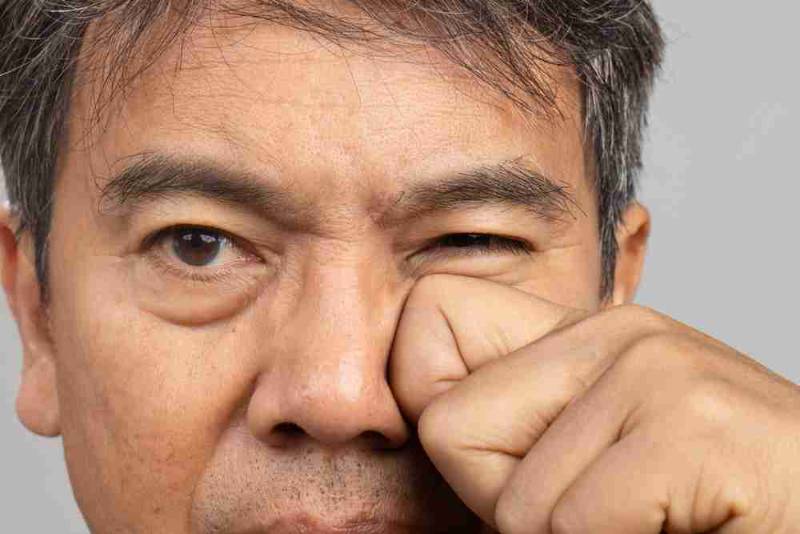
Do you feel a repeated, annoying spasm in your eyelid? Are you wondering what’s causing it and how to get rid of it?
Eye twitching, or eyelid spasm, is a common condition that may be temporary and harmless, or it could signal underlying health problems that need medical attention.
Let’s explore the causes of left or right eye twitching, when to be concerned, and the best ways to treat and prevent it.
What Is Eye Twitching?
Eye twitching (known medically as myokymia) is an involuntary movement of the upper or lower eyelid, usually lasting for a few seconds, minutes, or hours. In some cases, it may persist for days or even weeks.
It's most often triggered by stress or fatigue, and typically goes away on its own. But in some cases, it can be a symptom of an underlying neurological or eye condition.
What are Common Causes of Eye Twitching?
Most cases are caused by everyday triggers such as:
- Stress and psychological tension
- Lack of sleep
- Physical or mental fatigue
- Overexertion
- High caffeine or alcohol intake
- Sensitivity to light
- Eye strain (especially from screens or prolonged focus)
- Side effects of certain medications (e.g., for epilepsy or migraines)
- Dry eyes or dehydration
- Environmental irritants like wind or smoke
- Smoking
What are Medical Causes of Eye Twitching?
Some cases may be due to medical issues, including:
- Blepharospasm (chronic eyelid spasm)
- Migraine attacks
- Dry eyes
- Swollen eyelids
- Eye infections or inflammation (e.g., conjunctivitis or uveitis)
- Hemifacial spasm
- In rare cases:
- Parkinson’s disease
- Multiple sclerosis
- Tourette syndrome
- Bell’s palsy
- Dystonia
- Meige syndrome
Is Stress a Cause?
Yes—psychological stress is one of the most common causes of eyelid twitching, as it leads to involuntary muscle contractions, including those around the eyes.
What’s the Link Between Eye Twitching and Nerve Disorders?
In some cases, twitching may be linked to neurological issues such as:
- Blepharospasm: a neurological disorder causing chronic eyelid spasms, possibly due to dysfunction in the basal ganglia.
- Hemifacial spasm: involuntary muscle contractions on one side of the face, often due to pressure on the facial nerve.
- Meige syndrome: causes painful, forceful spasms in the eyes, jaw, or lower face due to abnormal nerve signaling.
What are Types of Eye Twitching?
- Essential Blepharospasm
- Rare and may worsen with time
- Starts with frequent blinking and may progress to strong eye closure
- General Eyelid Twitching
- Most common and usually short-lived
- Triggered by fatigue, stress, or caffeine
- Hemifacial Spasm
- Involves muscle twitching on one side of the face
- Can start as mild fluttering and worsen over time
How to Treat Eye Twitching?
In most cases, lifestyle changes are enough:
- Get enough sleep
- Limit caffeine and alcohol
- Stay hydrated
- Quit smoking
- Reduce screen time
- Manage stress through meditation or exercise
If symptoms persist, see an eye specialist. Medical treatments may include:
- Artificial tears for dry eyes
- Oral muscle relaxants (e.g., clonazepam)
- Botox injections to relax the muscle
- Surgical treatment in severe cases
- Tinted lenses to reduce light sensitivity
Is Eye Twitching Dangerous?
While most cases are harmless, chronic or severe twitching can affect vision and daily life due to:
- Drooping eyelids
- Excess skin around the eyes
- Difficulty keeping the eyes open
And it may point to serious conditions like:
- Parkinson’s disease
- Multiple sclerosis
- Bell’s palsy
- Facial dystonia
Final Thoughts
While eye twitching is often minor and self-resolving, persistent or severe cases warrant medical evaluation to rule out underlying conditions. Don’t ignore recurring symptoms—early intervention helps prevent complications.
If you still need to consult a doctor regarding this condition, you can easily book an appointment through Vezeeta
Related Keywords


References
American Academy of Ophthalmology (AAO). Eyelid Twitching (Myokymia). 2024.
https://www.aao.org/eye-health/symptoms/eyelid-twitching-myokymia
Mayo Clinic. Eyelid Twitching. 2023.
https://www.mayoclinic.org/symptoms/eyelid-twitching/basics/causes/sym-20050744
National Health Service (NHS, UK). Eyelid Twitching. 2022.
https://www.nhs.uk/conditions/eyelid-twitching/
WebMD. Eye Twitching (Eyelid Spasms). 2023.
https://www.webmd.com/eye-health/eye-twitching-causes
American Optometric Association (AOA). Eyelid Myokymia. 2023.
https://www.aoa.org/healthy-eyes/eye-and-vision-conditions/eyelid-myokymia?sso=y