Causes and Symptoms of Acrophobia (Fear of Heights)
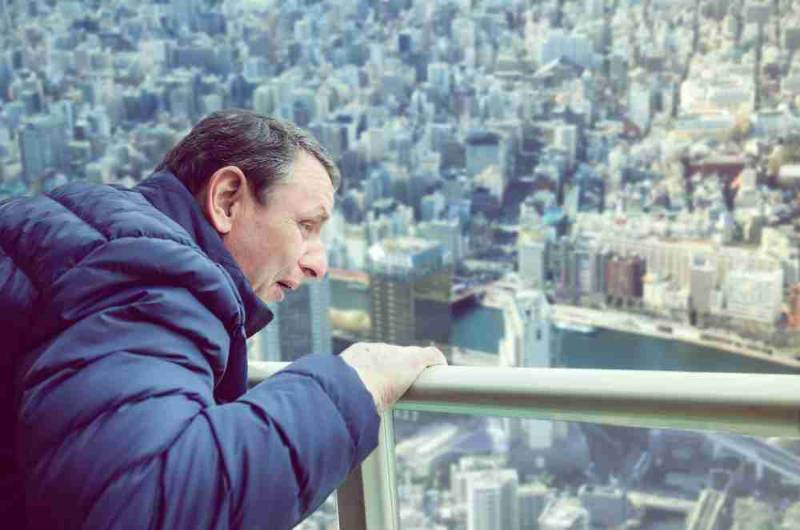
Do you find yourself avoiding high balconies or panicking in elevators or on staircases? You might be one of the millions of people who suffer from acrophobia!
In this article, we explore fear of heights, its symptoms and causes, and offer you the most practical solutions to overcome it—whether you experience this phobia yourself or know someone who does.
What Is Acrophobia?
Acrophobia is a psychological disorder that causes anxiety and stress when being in high places, climbing stairs, or even just thinking about heights.
This condition affects approximately 3–6% of people, often beginning in childhood and becoming more prominent during adolescence or early adulthood—especially in women.
What are Symptoms of Acrophobia?
Symptoms usually present as intense anxiety and panic when exposed to heights. For some, symptoms may only appear in very tall buildings; for others, even low heights can trigger a reaction.
Acrophobia symptoms fall into two main categories:
Psychological Symptoms:
- Intense fear of falling
- Panic or terror when thinking about, seeing, or approaching high places
- Severe distress when being far from the ground
- Attempts to escape from heights, such as crawling on hands and knees to avoid falling
Physical Symptoms:
- Shaking or trembling
- Shortness of breath
- Dizziness or lightheadedness
- Nausea
- Increased heart rate
- Sweating
In some cases, individuals may completely avoid high places like hotel balconies or staircases, which can negatively affect their quality of life.
What are Causes of Acrophobia?
Everyone fears falling from high places to some degree. However, for some, that fear escalates into a phobia—especially after a traumatic experience or witnessing someone else fall.
Another possible cause is growing up around someone with a fear of heights, which can cause the fear to be learned or transferred.
What Types of Heights Might Trigger Panic?
Acrophobia can be triggered by encountering or using:
- Elevators
- Cliffs or slopes
- Rock climbing
- Standing on rooftops or terraces
- Looking out from high-rise windows or balconies
- Escalators
- Bridges
- Staircases
- Multi-level parking garages
- Airplane travel
Sometimes, acrophobia overlaps with other phobias, like a fear of flying—causing confusion about the true trigger.
How is Acrophobia Tested and Diagnosed ?
Acrophobia is classified as a specific phobia, so diagnosis does not rely on the DSM-5 alone.
Diagnosis depends on how long symptoms last, their nature, and their severity. Symptoms must persist for at least six months, and other psychological disorders should be ruled out.
Doctors generally assess based on four criteria:
- Severity and duration of fear – Persistent and excessive fear of heights
- Avoidance – Actively avoiding places or thoughts related to heights
- Anticipatory anxiety – Worrying in advance about situations involving heights
- Disruption to daily life – Symptoms significantly interfere with routine activities
How to Overcome Acrophobia?
Psychotherapy is the most effective treatment for fear of heights. It helps patients develop coping skills and better responses to triggering situations.
Key therapeutic approaches include:
Exposure Therapy:
One of the most effective methods for treating specific phobias. Patients are gradually exposed to heights in a safe and controlled way, often with a therapist present.
Cognitive Behavioral Therapy (CBT):
Involves guiding patients through questioning and thought exercises to help reframe irrational fears and build healthy emotional responses.
Virtual Reality Exposure Therapy:
A modern technique that uses VR goggles to simulate anxiety-triggering height scenarios in a safe environment—helping improve the patient’s reactions while ensuring complete physical safety.
Can Acrophobia Be Treated with Medication?
Medication cannot cure acrophobia, but it can help manage symptoms. Drugs are usually used as a complement to therapy—not a replacement.
Common medications include:
- Beta-blockers – Help reduce physical symptoms such as increased heart rate
- Muscle relaxants – Help reduce anxiety and physical tension
What are the Practical Tips for Coping with Heights?
Certain exercises may ease symptoms, including relaxation techniques, yoga, breathing exercises, and meditation. You can also try these tips when facing high places:
- Focus on stable, nearby objects
- Pause and breathe if symptoms begin
- Fix your eyes on the horizon or sky; avoid looking down
- Sit or lie down if dizziness starts
In Conclusion
Overcoming acrophobia requires patience and persistence. Remember that healing is a gradual process that involves using the right techniques and strategies with confidence. With time and proper support, you can safely move beyond fear and regain control over your life.
If you still need to consult a doctor regarding this condition, you can easily book an appointment through Vezeeta
Related Keywords
Specialized Doctors



References
American Psychiatric Association. (2013). Diagnostic and Statistical Manual of Mental Disorders (DSM-5®). American Psychiatric Publishing.
https://doi.org/10.1176/appi.books.9780890425596
National Institute of Mental Health (NIMH). (2023). Specific Phobias.
https://www.nimh.nih.gov/health/statistics/specific-phobia
Mayo Clinic Staff. (2023). Phobias: Symptoms and causes. Mayo Clinic.
https://www.mayoclinic.org/diseases-conditions/phobias/symptoms-causes
Cleveland Clinic. (2022). Phobias: What They Are, Causes, Symptoms & Treatment.
https://my.clevelandclinic.org/health/diseases/22262-phobias
American Psychological Association (APA). (2023). Phobias.
https://www.apa.org/topics/phobias
Specialized Doctors