High Cholesterol Symptoms: The Silent Killer
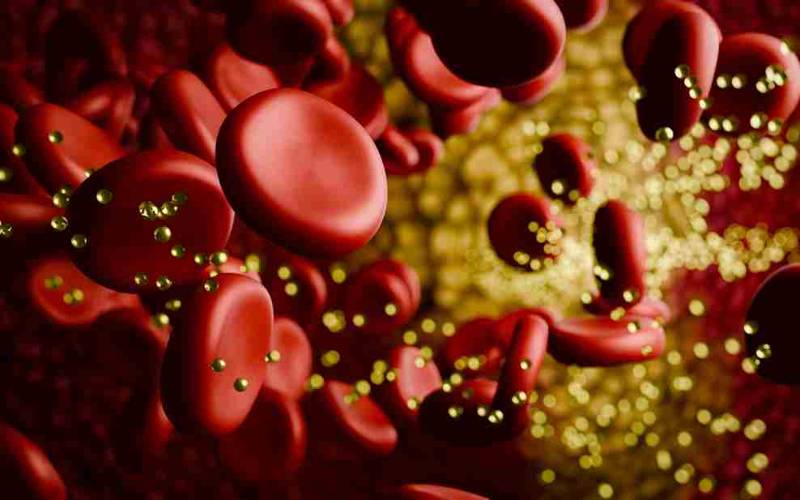
High blood cholesterol is one of the most common health problems worldwide. Statistics show that a large percentage of adults suffer from elevated cholesterol levels. That’s why it is essential to recognize the symptoms of high cholesterol and take preventive measures to reduce its health risks.
In this article, we’ll explore the causes, symptoms, and treatments for high cholesterol, as well as how to manage and prevent it.
What Is Cholesterol?
Cholesterol is a natural, waxy, fat-like substance found in the blood. The body uses it to build cells. However, when consumed or produced in excess, cholesterol can accumulate in the blood, leading to serious health complications over time.
Cholesterol is mainly found in fatty foods and is influenced by several factors that can cause its levels to rise.
There are two main types of cholesterol:
- HDL (High-Density Lipoprotein) – “Good” Cholesterol:
- Helps transport excess cholesterol to the liver for removal, maintaining a healthy balance in the blood.
- LDL (Low-Density Lipoprotein) – “Bad” Cholesterol:
- Builds up in the walls of blood vessels, increasing the risk of heart disease and stroke.
Symptoms of High Cholesterol
High cholesterol is one of the major risk factors for heart disease and vascular problems. Unfortunately, high cholesterol levels often go unnoticed until complications arise, which is why regular check-ups are essential.
In most cases, cholesterol builds up silently over the years, causing no noticeable symptoms until it significantly affects the heart or arteries.
It’s also important to understand triglycerides, another type of fat in the blood. The body stores excess calories as triglycerides to use later as energy. Elevated triglycerides, like high cholesterol, can harm the circulatory system.
Common Signs of High Cholesterol and Triglycerides:
- High blood pressure due to narrowed arteries from cholesterol buildup
- Coronary artery disease, which may cause angina (chest pain)
- Carotid artery disease, reducing blood flow to the brain and increasing stroke risk
- Peripheral artery disease (PAD), often causing leg pain or cramping during movement
Can High Cholesterol Cause Headaches?
Yes. High cholesterol may lead to high blood pressure due to narrowed arteries. Increased pressure in brain vessels can lead to cerebral edema (brain swelling), which may cause headaches.
Causes of High Cholesterol
Several lifestyle and health-related factors can contribute to elevated cholesterol levels, including:
Lifestyle Factors:
- Being overweight or obese
- Physical inactivity
- A diet high in saturated and trans fats
- Smoking
- Alcohol consumption
- Genetic predisposition
Health Conditions and Medications:
- Certain medications: beta-blockers, steroids, diuretics, birth control pills, cancer treatments, acne medications
- Lupus: causes chronic inflammation, lowers HDL, and raises LDL levels
- HIV/AIDS: both the disease and its medications can raise cholesterol
- Thyroid disorders: underactive thyroid can raise LDL; treatment for overactive thyroid may also impact cholesterol
- Polycystic ovary syndrome (PCOS)
- Chronic kidney disease
- Diabetes: commonly leads to high triglycerides and cholesterol, increasing cardiovascular risk
As cholesterol accumulates in the arteries, it narrows the vessels and impairs blood flow, making it harder for the heart to pump blood and deliver oxygen to tissues.
How Is High Cholesterol Diagnosed?
Since early symptoms of high cholesterol are rare, it is often detected through routine blood tests. Doctors typically recommend fasting for 12 hours before the test to ensure accurate measurements.
Healthy Cholesterol and Lipid Levels:
- Triglycerides: less than 150 mg/dL
- HDL (“good” cholesterol): 40 mg/dL or higher
- LDL (“bad” cholesterol): less than 100 mg/dL
- Total cholesterol: less than 200 mg/dL
If your results exceed these levels, your doctor will recommend a tailored treatment plan.
How to Treat High Cholesterol
Managing high cholesterol—especially in its early stages—can significantly reduce health risks. Initial treatment focuses on lifestyle changes:
Dietary Changes:
- Increase intake of whole grains, fruits, and vegetables high in fiber
- Avoid foods rich in saturated fats, trans fats, and dietary cholesterol:
- Red meat
- Egg yolks
- Fried foods
- Baked goods with hydrogenated fats
- Opt for lean proteins like fish, skinless poultry, and nuts
- Limit fast food and processed food
- Avoid smoking and alcohol
- Maintain a healthy weight
- Exercise regularly
Medications for High Cholesterol
If lifestyle changes aren’t enough or if levels are very high, your doctor may prescribe medications such as:
- Statins (e.g., rosuvastatin, atorvastatin): reduce the liver’s cholesterol production
- Cholesterol absorption inhibitors
- Bempedoic acid: lowers cholesterol with fewer side effects
- Bile acid resins: prompt the liver to use cholesterol to produce bile acids
- Niacin (Vitamin B3): reduces LDL production in the liver
- Omega-3 fatty acids: help manage triglycerides
Dangers of Untreated High Cholesterol
If left untreated, high cholesterol can lead to life-threatening complications:
- Stroke: A ruptured plaque or clot can block brain arteries
- Chest pain (Angina): Caused by restricted blood flow through the coronary arteries
- Heart attack: Due to blocked major heart arteries
Can High Cholesterol Be Prevented?
Absolutely. Many environmental and lifestyle factors contribute to cholesterol levels. You can reduce your risk by:
- Quitting smoking
- Exercising regularly
- Maintaining a healthy body weight
- Avoiding alcohol
- Managing stress and anxiety
- Eating a balanced diet and limiting salt and animal fats
Final Word
Don’t ignore the signs of high cholesterol. Routine check-ups and blood tests are key to early detection and prevention. Work with your doctor to monitor your levels and follow a healthy lifestyle to avoid complications such as heart attack or stroke.
Even small daily changes can have a big impact on your cholesterol—and your long-term health.
If you still need to consult a doctor regarding this condition, you can easily book an appointment through Vezeeta
Related Keywords
Specialized Doctors

Amira Gamea
Consultant in general internal medicine, diabetes and gastroenterology at Police Authority Hospitals

Ahmed El Gammal
Consultant of Internal Medicine and Diabetology

Ayman Mahmoud Moustafa
Senior Consultant of Internal medicine
References
Mayo Clinic – Triglycerides: Symptoms, causes, and treatment.
https://www.mayoclinic.org/diseases-conditions/high-blood-cholesterol/in-depth/triglycerides/art-20048186
Cleveland Clinic – Triglycerides: What they are, how they affect your health, and how to manage them.
https://my.clevelandclinic.org/health/articles/16838-triglycerides
NHS (UK) – High triglycerides: Causes, risks, and management.
https://www.nhs.uk/conditions/high-triglycerides/
American Heart Association – Triglycerides and blood fat levels.
https://www.heart.org/en/health-topics/cholesterol/about-cholesterol/triglycerides
Specialized Doctors
Amira Gamea
Consultant in general internal medicine, diabetes and gastroenterology at Police Authority Hospitals
Ahmed El Gammal
Consultant of Internal Medicine and Diabetology
Ayman Mahmoud Moustafa
Senior Consultant of Internal medicine