Banavidone 10% Vaginal Wash Uses, Dosage, and Side Effects
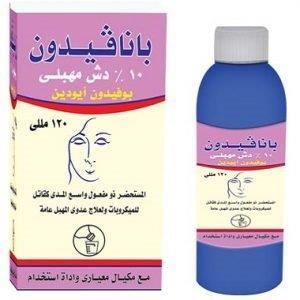
What is Banavidone and what does it contain
Banavidone 10% Vaginal Wash is a vaginal wash that contains povidone-iodine. Povidone-iodine is an antiseptic that releases iodine locally and helps reduce microorganisms on the area it touches. Vaginal povidone-iodine products are classified as antiseptics and vaginal anti-infective preparations.
Banavidone is not an oral medicine, antibiotic tablet, hormone, or contraceptive. It is intended for vaginal use only when appropriate. It should not be swallowed, used in the eyes, or used as a routine daily hygiene product.
| FeatureDetails | |
| Brand | Banavidone |
| Active ingredient | Povidone-iodine |
| Strength discussed | 10% |
| Form | Vaginal wash, 120 ml bottle |
| Main use | Short-term vaginal antiseptic cleansing when suitable |
You can check the verified product listing here: Banavidone 10% Vaginal Wash 120 ml on Vezeeta.
Povidone-iodine comes in different products, including topical solutions, douches, vaginal liquids, and pessaries. These forms are not automatically interchangeable because the concentration, applicator, and body site may differ. This article focuses on Banavidone 10% vaginal wash.
What is Banavidone used for
Banavidone may be used as a short-term local vaginal antiseptic wash when povidone-iodine is suitable. Vaginal povidone-iodine products may provide temporary relief from minor vaginal irritation, soreness, or itching. In some situations, a doctor may use or recommend povidone-iodine cleansing before selected gynecological procedures.
Vaginal symptoms can have many causes. Itching, burning, abnormal discharge, unpleasant odor, pelvic pain, urinary pain, or bleeding may be related to yeast infection, bacterial vaginosis, trichomoniasis, a sexually transmitted infection, irritation, allergy, or hormonal changes. If symptoms are severe, recurrent, associated with fever or pelvic pain, or occur during pregnancy, it is safer to book a gynecologist on Vezeeta.
For related reading, see Vezeeta articles about vaginal infections and vaginal discharge.
Banavidone should not be used to prevent pregnancy or sexually transmitted diseases. It also does not replace antifungal, antibacterial, or antiparasitic treatment when a specific infection is diagnosed.
Banavidone dosage and how to use it
Use Banavidone exactly as written on the label or as directed by your doctor or pharmacist. Do not use larger amounts or more frequent applications than recommended. The product is for vaginal use only and must not be taken by mouth.
General safe-use steps include washing your hands before and after use, preparing the bottle or applicator as instructed, inserting the nozzle gently without force, and allowing the liquid to flow out while sitting on the toilet or standing in a shower or bathtub. Do not share vaginal products or applicators with another person.
Do not use povidone-iodine vaginal wash for longer than 7 days without medical advice. If you are also using vaginal pessaries, creams, antibiotics, or antifungals, ask a healthcare professional how to space them because combining several vaginal products may increase irritation or reduce treatment effectiveness.
Food does not affect Banavidone because it is not swallowed. If you miss a planned use, use it when remembered unless it is nearly time for the next one. Do not use two doses together.
How long does Banavidone take to work
Banavidone starts acting locally as an antiseptic after contact with the vaginal area, but symptom improvement depends on the cause. Mild irritation may improve quickly. A fungal, bacterial, parasitic, or sexually transmitted infection may not improve without targeted treatment. If symptoms continue, worsen, or return soon after stopping the wash, medical assessment is needed.
What are the side effects of Banavidone
Banavidone is usually used for short periods, but side effects can occur. Possible effects include local burning, irritation, redness, itching, swelling, vaginal dryness, soreness, and staining of skin or clothes. Stop using it and ask for advice if irritation is severe or persistent.
Seek urgent help if you develop hives, swelling of the face, lips, tongue, or throat, or difficulty breathing. Contact a doctor promptly if symptoms include pelvic pain, fever, chills, nausea, vomiting, genital sores, painful or frequent urination, yellow or foul-smelling discharge, unexplained bleeding, or severe burning after use.
Contraindications and precautions
Do not use Banavidone if you are allergic to povidone-iodine, iodine-containing products, or any product ingredient. Ask a doctor before use if you have thyroid disease, kidney disease, repeated vaginal infections, unexplained vaginal bleeding, pelvic pain, or symptoms that may suggest a sexually transmitted infection.
Do not use it in children or teenagers unless a doctor specifically recommends it. Avoid eye contact. If accidental eye contact occurs, rinse well with water. If swallowed accidentally, contact emergency medical services or a poison center.
Banavidone drug interactions
Medicines used inside the vagina are less likely to interact with oral tablets, but local interactions and irritation are still possible. Avoid combining Banavidone with other vaginal washes, douches, creams, pessaries, spermicides, or antiseptics unless your doctor tells you to.
Tell your healthcare provider about all medicines and products you use, especially vaginal antifungals, antibiotics, antiseptics, thyroid medicines, and iodine-containing products. Mention recent povidone-iodine use before gynecological tests or procedures.
Banavidone during pregnancy and breastfeeding
Ask a doctor before using Banavidone during pregnancy. Vaginal symptoms in pregnancy should be assessed carefully because some infections need specific treatment to protect the mother and baby. Do not self-treat persistent itching, discharge, odor, or pelvic pain during pregnancy.
If you are breastfeeding, ask a doctor or pharmacist before use, especially if repeated or prolonged use is being considered. Iodine-containing products should be used cautiously when frequent exposure is possible.
Can Banavidone be taken every day and long term
Banavidone should not be used as a daily long-term intimate wash. Povidone-iodine vaginal products are intended for short-term use, and use beyond 7 days requires medical advice. Repeated internal washing may irritate the vaginal lining, disturb the natural vaginal environment, and mask symptoms that need diagnosis.
For routine care, gentle external hygiene, avoiding scented products, wearing breathable cotton underwear, and treating the actual cause of symptoms are usually more useful than frequent internal washes.
What are the alternatives to Banavidone
Alternatives depend on the reason for use. If a povidone-iodine vaginal antiseptic is needed, another product with the same active ingredient may be considered if appropriate. If the cause is yeast infection, bacterial vaginosis, trichomoniasis, or another infection, the suitable alternative may be an antifungal, antibiotic, or antiparasitic medicine after diagnosis.
Do not switch products automatically. Choosing the wrong vaginal product can delay treatment or worsen irritation.
Banavidone price in Egypt
The price of Banavidone 10% Vaginal Wash in Egypt can change depending on availability, pharmacy updates, and offers. To check the current product details and ordering availability, visit the Banavidone product page on Vezeeta Pharmacy.
Frequently asked questions
What is povidone-iodine used for?
Povidone-iodine is an antiseptic used locally to reduce microorganisms. Vaginal forms may be used for short-term relief of minor vaginal irritation, soreness, or itching when suitable.
What is Banavidone vaginal wash used for?
Banavidone is used as a povidone-iodine vaginal wash for local antiseptic cleansing and short-term symptom relief when recommended by a doctor or pharmacist.
Is povidone-iodine an antiseptic?
Yes. Povidone-iodine is an iodine-releasing antiseptic used in several topical and mucosal preparations.
When should you use povidone-iodine?
Use it only for the body site and situation listed on the product label or recommended by a healthcare professional.
Does Banavidone treat all vaginal infections?
No. It may help as an antiseptic wash, but fungal, bacterial, parasitic, or sexually transmitted infections may need specific medicines.
Can Banavidone be used for bad vaginal odor?
Bad odor may indicate infection or another condition. Banavidone may cleanse temporarily, but persistent odor needs medical assessment.
Can Banavidone be used during menstruation?
Ask your doctor or pharmacist. Some vaginal treatments are scheduled around menstruation depending on the reason for use.
Can Banavidone prevent pregnancy or sexually transmitted infections?
No. Banavidone is not a contraceptive and does not protect against sexually transmitted infections.
Can Banavidone cause burning?
Yes. Local burning or irritation can occur. Stop using it and seek advice if burning is severe, persistent, or associated with swelling, rash, pelvic pain, or abnormal discharge.
Can I use Banavidone with vaginal pessaries?
Do not combine it with pessaries, creams, or other vaginal medicines unless your doctor tells you to.
Is Banavidone suitable for teenagers?
It should not be used in children or teenagers without medical advice. Vaginal symptoms in younger patients need careful evaluation.
What should I do if symptoms continue after Banavidone?
Stop self-treatment and consult a gynecologist, especially if symptoms last more than a few days, recur, or include fever, pelvic pain, urinary pain, sores, bleeding, or foul-smelling discharge.
Medical disclaimer
The information in this article is provided for general health education and does not replace medical advice from a doctor or pharmacist. Do not start, stop, or change the dose of any medication without consulting a qualified healthcare professional.