A Behind-the-Scenes Journey of Botox Injections: What You Need to Know
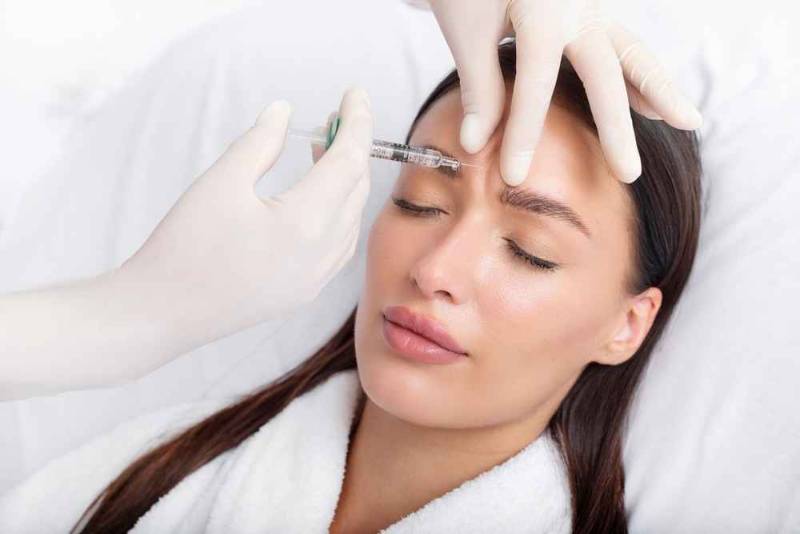
Botox injections have attracted millions of fans with the promise of wrinkle-free skin. But is this path to eternal youth truly safe? What are the benefits, ingredients, costs, and how long do the results last?
What is Botox?
Botox is one of the most widely used and demanded cosmetic procedures in today’s beauty world, due to its effectiveness in eliminating wrinkles and rejuvenating the face. But the question remains: Is Botox truly safe? And what are the long-term risks of using it?
In this article, we shed light on the benefits and risks of this mysterious technique to help you decide if Botox is the right choice for you.
Definition:
Botox is a non-surgical cosmetic technique that gained popularity in recent years, though it was originally used to treat various medical conditions.
Botox injections are made from botulinum toxin, a substance produced by the Clostridium botulinum bacteria. While naturally occurring, this toxin can cause food poisoning if ingested.
Botox is a neurotoxin that blocks nerve signals to muscles, causing targeted muscle weakness or paralysis, and thus reducing the appearance of wrinkles.
What is the difference between Botox vs. Filler ?
While both Botox and dermal fillers are popular cosmetic treatments, they function very differently:
- Botox works by relaxing the muscles that cause wrinkles.
- Fillers are gel-like substances injected to “fill in” areas and smooth out wrinkles or add volume.
Botox is used in limited doses to avoid side effects, while fillers are injected in varying amounts based on the depth and severity of the wrinkles. Fillers usually last 6 to 12 months.
What are the Cosmetic Benefits of Botox?
Since its cosmetic potential was discovered in 1989, Botox has been widely used to reduce signs of aging:
Botox for the Face:
Helps reduce fine lines and wrinkles in areas like:
- Forehead
- Eyebrows
- Nose
- Chin
- Neck
- Jawline
- Lips
- Crow’s feet (around the eyes)
It’s also used to treat:
- Gummy smiles
- Drooping mouth corners
- Square jawlines
What are the Medical Uses of Botox?
Botox is not just for aesthetics—it has various medical applications:
- Jaw, neck, and back pain
- Pelvic pain
- Joint pain
- Sciatica
- Nerve pain
It can also treat:
- Excessive sweating
- Overactive bladder
- Eyelid twitching
- Chronic migraines
- Crossed eyes (strabismus)
- Severe muscle spasms
- Cervical dystonia
- Muscle tightness in children or adults
What are Types of Botulinum Toxin?
Botox is a brand name for one of several botulinum toxin types:
- OnabotulinumtoxinA (Botox)
- IncobotulinumtoxinA
- AbobotulinumtoxinA
- PrabotulinumtoxinA
Each has different uses and properties.
What instructions you should follow Before and After Botox?
To avoid side effects, you should:
Before Botox:
- Discuss your medical history with your doctor.
- Avoid alcohol at least 24 hours before injection.
- Stop blood thinners like aspirin or warfarin if your doctor advises.
- Avoid anti-inflammatory medications.
- Don’t wear makeup to your appointment.
After Botox:
- Stay upright for 3–4 hours.
- Don’t press or rub the injection area for 12 hours.
- Avoid physical activity for 24 hours.
Discuss with your doctor questions like:
- When can I wash my face after Botox?
- How should I sleep post-injection?
- When will the effects wear off?
- Does it affect pregnancy or breastfeeding?
Am I a Good Candidate for Botox?
You may be eligible unless you are:
- Pregnant or breastfeeding
- Suffering from droopy eyelids
- Diagnosed with facial muscle weakness
- Diagnosed with neuromuscular disorders
How is Botox Injected?
Botox is a quick procedure (about 15 minutes). Using a fine needle, the doctor injects small doses directly into targeted muscles. Usually, it doesn’t require anesthesia.
For example, about 3 injections are used to treat crow’s feet.
Results begin to appear within a few days.
What are Side Effects of Botox?
When performed by a licensed doctor, Botox is generally safe. However, minor side effects may appear and usually disappear within two days:
Body-related side effects:
- Neck pain
- Headache
- Fatigue
- Nausea
- Indigestion
- Cold-like symptoms
Facial side effects:
- Dry eyes
- Bruising
- Eye irritation
- Temporary droopy eyelids
- Redness or swelling
- Temporary facial weakness
How Long Does Botox Last?
Botox effects typically last 3 to 6 months, after which re-treatment is needed to maintain results.
Over time, the muscles “learn” to contract less, potentially extending the time between treatments.
What is the Cost of Botox Injections?
Botox cost depends on:
- Number of injections
- Doctor’s qualifications and experience
- Severity of wrinkles
- Clinic location
Since it’s a cosmetic procedure, Botox is not usually covered by health insurance. Choose a qualified professional offering fair pricing.
Finally, While Botox is hugely popular, it’s not risk-free. Understanding potential side effects and drug interactions is vital before undergoing the procedure. Carefully weigh the benefits against the risks, and always consult a certified specialist to make the best decision for your unique health and goals.
If you still need to consult a doctor regarding this condition, you can easily book an appointment through Vezeeta
Related Keywords
Specialized Doctors



References
American Society of Plastic Surgeons (ASPS). Botulinum Toxin (Botox) Injections. https://www.plasticsurgery.org/cosmetic-procedures/botulinum-toxin
Mayo Clinic. Botox: Can It Help Smooth Facial Wrinkles?
https://www.mayoclinic.org/tests-procedures/botox/about/pac-20384658
American Academy of Dermatology (AAD). Botulinum Toxin Injections: What You Should Know. https://www.aad.org/public/cosmetic/treatments/botulinum-toxin
Harvard Health Publishing. Botox: Uses, Benefits, and Risks. https://www.health.harvard.edu/staying-healthy/botox
U.S. Food & Drug Administration (FDA). Botox Cosmetic: Safety Information. https://www.fda.gov/vaccines-blood-biologics/cosmetic-devices/botox-cosmetic
Specialized Doctors