Consult Neurology doctor near you
Book a consultation with a specialized doctorSearch
Cancel
Temporomandibular disorders
Description
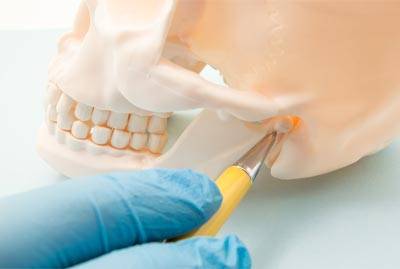
Temporomandibular disorders are known as a group of conditions that affect the jaw joints and surrounding muscles. In most cases, it can resolve spontaneously without treatment. it affects up to 15% of adults, with a peak incidence at 20 to 40 years of age and is twice as common in women than in men.
Symptoms
- Jaw pain
- Jaw dysfunction
- Clicking or popping sound while opening or closing the mouth
- Earache
- Headache
- Facial pain
- Neck pain
- Dizziness
Visit a General Practice doctor if you have any of these symptoms for proper diagnosis and treatment, he may refer you to a Dentist if needed
Recommended Doctors
View MoreCauses
Many factors may cause this condition such as:
- Teeth grinding
- Stress
- Articular disc displacement
- Trauma “Jaw injury”
- Arthritis
Diagnostics
The diagnosis largely depends on medical history and physical examination, but other tools can be used such as:
- Panoramic x-ray (imaging using x-ray to show all teeth and jaw joints).
- Magnetic resonance imaging (a device that uses magnetic fields is used to get an image of the muscles, ligaments, and cartilage).
- Cone-beam computed tomography (a scan in which thousands of images are taken to produce 3-dimensional images of teeth, jaw, and facial bones).
Treatment
In most cases, this condition resolves spontaneously without treatment, but other cases need treatment such as:
- Conservative therapy: the patient is educated to deal with the condition by eating soft food, adding warm compresses on painful areas, and resting the jaw.
- Behavioral therapy: Making behavioral changes to relieve stress.
- Medications:
- NSAIDS (ex: Naproxen)
- Antidepressant (ex: Amitriptyline)
- Anticonvulsants (ex: Diazepam, Clonazepam, Gabapentin)
- Muscle relaxants (ex: Orphenadrine, Metaxalone)
- Physical therapy: special exercises and devices are used to stretch and strengthen the jaw muscles.
- Devices: to prevent teeth grinding.
- Surgery: different types of surgeries can be done if other options did not work.