Consult Gynaecology and Infertility doctor near you
Book a consultation with a specialized doctorSearch
Cancel
Premalignant Lesions of the Endometrium
Description
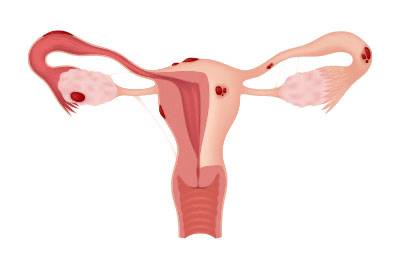
Premalignant endometrial lesions are a typical sequence of atypical endometrial hyperplasia or intraepithelial neoplasia. Endometrial hyperplasia is characterized by the proliferation of endometrial glands, resulting in a higher than normal gland-to-stroma ratio.
Symptoms
- Abnormal bleeding
- The most significant and early sign of endometrial cancer
- Occurs in about 80% of patients.
- It could be in the form of premenstrual and postmenstrual bleeding besides intermenstrual spotting.
- Excessive bleeding throughout the premenopausal years
- Irregular vaginal discharge, particularly after menopause or intermittent spotting
- Lower abdomen pain and cramps as a result of uterine contractions brought on by debris and blood sucked up behind a stenotic cervical os (hematometra).
- Sepsis and the development of an abscess if the uterine contents are infected.
If you have any of these symptoms visit a Gynaecologist to be diagnosed and treated properly.
Recommended Doctors
View MoreCauses
Endometrial hyperplasia develops as a result of constant estrogen stimulation that is unopposed by progesterone. This may be brought on by :
- Endogenous estrogen due to prolonged anovulation linked to PCOS, or sources of exogenous estrogen.
- Unopposed estrogen exposure in obesity because of the persistently elevated levels of estradiol
- Ovarian tumors that secrete estradiol, like granulosa cell tumors
Diagnostics
- A pregnancy test to exclude pregnancy.
- Assessment of the coagulation profile with total platelet counts, prothrombin time, and partial thromboplastin time to exclude coagulation and platelet disorders.
- A complete blood count to assess anemia.
- Imaging the endometrium
- Hysteroscopy and direct biopsy sampling of the endometrium.
- Fractional curettage
- Pelvic and Endovaginal ultrasonography
Treatment
Management options of premalignant endometrial lesions include :
- Surgical Management :
- Total hysterectomy is the current standard of care for premalignant lesions of the endometrium.
- Abdominal hysterectomy
- Vaginal hysterectomy
- Minimally invasive procedures
- Non-surgical Management :
- Hormonal therapy
- Aromatase inhibitors, gonadotropin-releasing hormone (GnRH) antagonists, and sulfatase inhibitors : To reduce estrogenic effects.
- Progesterone derivatives such as medroxyprogesterone acetate (MPA) and megestrol acetate : To preserve fertility.
- Selective estrogen receptor modulators (SERMS)