Postherpetic neuralgia
Description
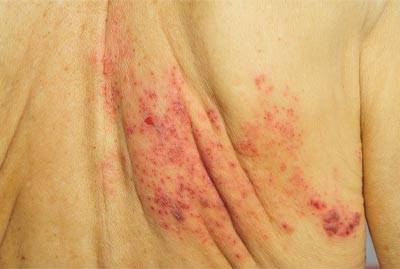
Shingles is a condition caused by the reactivation of the latent chickenpox virus following initial infection. Postherpetic neuralgia is a type of neuropathic pain condition that is characterized by pain that lasts for months to years after the shingles rash has disappeared, this happens due to the damage caused to peripheral and central nerves during the immune response accompanying the virus reactivation. Postherpetic neuralgia can occur in up to 20% of chickenpox patients, with those over 60 years old having the highest incidence.
Symptoms
The symptoms are generally limited to the skin and affect the patient quality of life as the pain lasts for at least three months.
Symptoms:
- Constant pain described as burning, or throbbing
- Intermittent pain is described as stabbing, shooting, or electric shock-like
- High sensitivity and pain even to a light touch of the skin
- Numbness sensation
Visit a Neurologist if you have any of these symptoms for proper diagnosis and treatment
Recommended Doctors
View MoreCauses
Damage of the peripheral and central nerves during the immune response accompanying the chickenpox virus reactivation.
Risk factors:
- Older age (60 years and older)
- Pain and abnormal sensations before the appearance of the rash
- Severe rash and severe pain during infection
- Diabetes mellitus
Diagnostics
Physical examination of the affected skin areas and medical history of shingles are the main diagnostic tools, and usually, no other tests are required.
Treatment
This condition may persist for years and is difficult to treat, but several medications are used to decrease the pain such as:
- Antidepressants (ex: Amitriptyline)
- Anticonvulsants (ex: Pregabalin, Gabapentin)
- Topical Lidocaine patch
- Opioid analgesics (ex: Morphine, Oxycodone)