Paroxysmal Hemicrania
Description
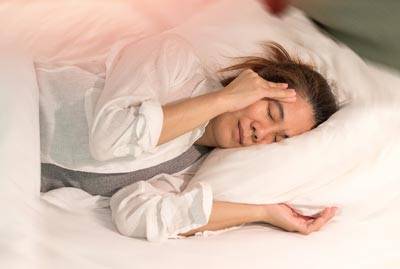
Paroxysmal hemicrania is a primary headache illness, which means it is not caused by another condition and is uncommon but curable. It usually starts in adulthood. The term "paroxysmal hemicrania" refers to the characteristic symptoms of this headache; paroxysmal refers to a sudden attack or recurrence and hemicrania translates to "head on one side" (unilateral). Paroxysmal hemicrania is defined as a recurrent, one-sided headache that is usually behind or around the eye. Paroxysmal hemicrania episodes often last 2 to 30 minutes and happen 5 to 40 times each day. There are two types of the disorder: episodic, in which the headaches may stop for months or years, and chronic, in which patients have daily episodes for a year or more. Some patients may have these headaches because of specific head or neck movements or external pressure on the neck. Women experience the disease more frequently than men
Symptoms
- Sharp and stabbing pain in one side of the face
- Red and tearing eyes
- Drooping or swollen eyelid
- Nasal congestion
- Pain behind one eye
- Sensitivity to light or noise
- Nausea and vomiting
- Flushing or sweating of the face
If you experience any of these symptoms, visit a General Practitioner (General Practice doctor), who might refer you to a Neurologist (Brain and Nerves doctor), for proper diagnosis and treatment.
Recommended Doctors
View MoreCauses
The exact cause of paroxysmal hemicrania is unknown. If you are a woman or have one of the following conditions, you will be more vulnerable to developing paroxysmal hemicrania:
- Head trauma because of an accident
- Pituitary gland cancer
Some triggers for paroxysmal hemicrania are:
- Some food and drinks (cheese, chocolate, coffee, alcohol)
- Temperature changes
- Excessive exercising
- Stress
- Applying pressure to your neck
Diagnostics
Adding to the symptoms and examination, your neurologist may request a brain MRI.
Treatment
For the treatment of your paroxysmal hemicrania, your doctor will recommend indomethacin. Other NSAIDs and corticosteroids are less effective. Keeping away from triggers can prevent headaches. Sometimes paroxysmal hemicrania resolves on its own.
Following doctor-supervised medical treatment, many patients report complete or total symptom alleviation. While paroxysmal hemicrania may continue forever, it has also been reported to enter remission or end on its own.