Ovarian Hyperstimulation Syndrome
Description
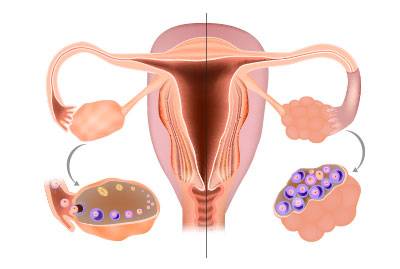
When a woman's ovaries expand and begin to leak fluid into her body, ovarian hyperstimulation syndrome (OHSS) takes place. There are very few instances of OHSS developing on its own, but it can be a consequence for women who get reproductive therapies that cause their ovaries to release more eggs than usual.
Symptoms
Ovarian hyperstimulation syndrome symptoms often show a week or less after using injectable drugs to induce ovulation, but they might occasionally take two weeks or longer. The severity of the symptoms can range from mild to severe, and they can change over time.
- Mild to moderate ovarian hyperstimulation syndrome (usually goes away after about a week)
- Mild to moderate stomach discomfort
- Bloating of the abdomen or a larger waist
- Nausea
- Vomiting
- Diarrhea
- Tenderness in the ovaries' area
- Severe ovarian hyperstimulation syndrome
- About one kilogram of weight gain in 24 hours
- Intense stomach discomfort
- Severe, ong oing motion sickness
- Clots of blood
- Less urinations
- Breathing difficulty
- A constricted or bulging abdomen.
If you have any of these symptoms visit a Gynaecologist to be diagnosed and treated properly.
Recommended Doctors
View MoreCauses
The introduction of a high concentration of the hormone human chorionic gonadotropin (HCG), which is typically produced during pregnancy, into the reproductive system, plays a part. HCG causes aberrant ovarian blood vessel response, which leads to fluid leakage. The ovaries enlarge as a result of this fluid, and occasionally considerable amounts travel into the abdomen.
Sometimes women with absolutely no risk factors have ovarian hyperstimulation syndrome. But there are several things you can do to lower your risk of ovarian hyperstimulation syndrome, like :
- Polycystic ovarian syndrome
- Excessive number of follicles.
- Females below 35 years of age
- Low body weight
- Estradiol (estrogen) levels that are high or rapidly rising prior to receiving an HCG trigger shot.
- Prior instances of ovarian hyperstimulation syndrome
Diagnostics
- Physical exam: to check for weight and measure the size of the waist to look for signs of swelling.
- Ultrasound: to look for free fluid in the abdomen and the size of the ovaries
- Chest X-ray: to look for fluids in the chest.
- Blood test: to measure hormone levels for signs of ovarian hyperstimulation syndrome.
Treatment
Depending on how serious the problem is, different treatments are available for ovarian hyperstimulation syndrome. The goal of treatment is to control symptoms and prevent complications.
- Mild to moderate ovarian hyperstimulation syndrome (usually goes away after about a week)
- Avoid engaging in strenuous exercise.
- Increasing oral water consumption.
- Acetaminophen is used to treat symptoms.
- Body weight daily monitoring.
- Keeping an eye out for any serious symptoms
- Severe ovarian hyperstimulation syndrome
- Modifying the dosage of fertility medication.
- Receiving fluids intravenously (straight into a vein).
- Having paracentesis (a procedure to remove fluid from the belly).
- Using medications to treat symptoms or lower ovarian activity.