Low Blood Glucose (Hypoglycemia)
Description
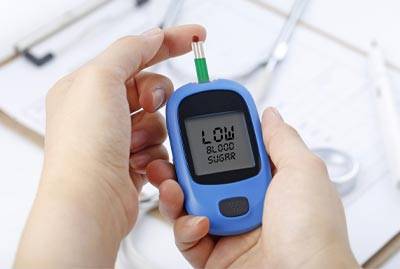
Low blood glucose (hypoglycemia) occurs when your blood glucose levels drop below 70 mg/dL. Low blood glucose (hypoglycemia) is common in people with type 1 diabetes and people with type 2 diabetes who take insulin. In a study of people suffering from diabetes and taking insulin as their diabetes medicine, it was reported that 4 in 5 people with type 1 diabetes and 5 in 10 people with type 2 diabetes had experienced low blood glucose (hypoglycemia) once in a 4-weeks period. You can usually treat low blood glucose (hypoglycemia) yourself except in severe cases. The goal of treatment is to increase your blood sugar as rapidly as possible, either with high-sugar foods and beverages or by taking medication. It is necessary to determine and address the cause of hypoglycemia for long-term treatment.
Symptoms
Low blood glucose (hypoglycemia) can affect people differently. Learn your personal warning signs and symptoms of low blood glucose (hypoglycemia). You might learn your own signs of low blood sugar by taking the time to record these symptoms. The following are symptoms and signs of low blood glucose (hypoglycemia):
- Shakiness
- Being nervous or anxious
- Sweating and chills
- Irritability or impatience
- Confusion and difficulty concentrating
- Fast heartbeat
- Dizziness or lightheadedness
- Hunger or nausea
- Color draining from the skin (pallor)
- Feeling sleepy
- Feeling weak or having no energy
- Blurred or impaired vision
- Numbness in the lips, tongue, or cheeks
- Headaches
In severe cases of low blood glucose (hypoglycemia), you might have a seizure or lose consciousness.
While you are asleep, you could get low blood glucose (hypoglycemia). You might experience nighttime awakenings because of this, as well as headaches, exhaustion, or damp sheets from sweat.
If you experience any of these symptoms, visit a General Practice doctor (General Practitioner) or your Diabetes and Endocrinology doctor.
Recommended Doctors
View MoreCauses
There are varied reasons for having low blood glucose (hypoglycemia):
- Taking too much insulin
- Not eating enough carbohydrates
- Increasing physical activity
- Drinking alcohol
- Unbalanced diet
- Skipping or delaying meals
Diagnostics
Your doctor will perform a physical examination and check your medical history if you exhibit hypoglycemic symptoms.
Use a blood glucose meter to check your blood sugar levels if you use insulin or another diabetes medicine to lower your blood sugar if you have hypoglycemic symptoms. If the test reveals low blood sugar (less than 70 mg/dL), you should proceed with your diabetes treatment plan.
Keep track of your blood sugar testing results and the ways you dealt with low blood sugar levels so that your doctor can analyze them and help you modify your diabetes treatment regimen.
Treatment
If you start feeling one or more symptoms of low blood glucose (hypoglycemia), measure your blood glucose level and follow the below steps if you find it less than 70 mg/dL:
Immediately consume 15 to 20 grams of glucose or carbs. Examples include:
- One tube of glucose gel or four glucose tablets.
- Fruit juice, not low-calorie or low-sugar juice, in the amount of 1/2 cup. Due to its high potassium content, orange juice should not be consumed if you have kidney problems. Juices like apple, grape, or cranberry work well
- One-half can of regular soda; not diet or low-calorie
- One tablespoon of corn syrup, honey, or sugar
Recheck your blood glucose level after waiting 15 minutes. Eat or drink another 15–20 grams of glucose or carbohydrates if your blood sugar is still low. Repeat these steps till your blood glucose level exceeds 70 mg/dL.
Eat a healthy snack or meal once your blood sugar has returned to the normal range will help avoid further blood sugar drops and restock your body's glycogen reserves.
In severe cases,
If you require assistance from someone to recover from hypoglycemia, it is considered severe. For example, if you are unable to eat, you may require an IV glucose infusion or a glucagon injection.
In general, diabetics taking insulin should keep a glucagon kit on hand in case of an emergency. The location of the kit and how to use it in an emergency should be made clear to family and friends.
Never attempt to feed or drink someone who is unresponsive while providing assistance. Call for emergency medical assistance if you do not have access to a glucagon kit or if you do not know how to use one.
How to prevent low blood glucose (hypoglycemia)?
- Regularly check your blood glucose level.
- Be aware of low blood glucose (hypoglycemia) symptoms.
- Always have a sugary snack or drink with you.
- Avoid skipping meals.
- Avoid excessively exercising; you can have a snack before exercise to minimize the risk of having low blood glucose (hypoglycemia).