Kyphosis
Description
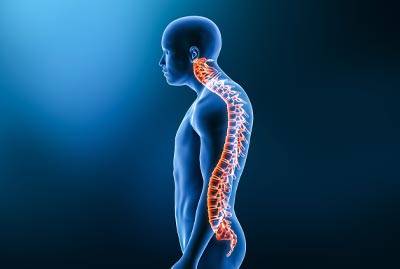
Kyphosis is a spine curvature that gives the top of the back an abnormally rounded appearance. Teenagers are more likely to develop kyphosis due to their rapid bone growth, but it can affect anyone. Older adults may also experience kyphosis. Other than the back looking atypically curved or arched, kyphosis can occasionally go unnoticed. However, the illness can occasionally result in back pain, spine tenderness, and fatigue. Kyphosis typically does not result in health issues or require medical attention. However, it could make you self-conscious about your appearance. Kyphosis can, in extreme situations, cause pain or make breathing difficult. Surgery may be necessary to address severe kyphosis.
Symptoms
Having rounded shoulders or an upper back hump is the main sign of kyphosis. A severe curve may cause one of the following symptoms:
- Pain or stiffness in the back and shoulder
- Numbness of legs
- Extreme tiredness
- Shortness of breath
- Balance problems
- Bladder or bowel incontinence
Visit an Orthopedics doctor if you have any of these symptoms.
Recommended Doctors
View MoreCauses
The type of kyphosis determines the cause:
- Postural: reclining on chairs, and carrying large bags are examples of poor posture.
- Scheuermann’s: the vertebrae shape is abnormal
- Congenital: A spine condition that existed before birth
Other causes may include:
- Spinal curvature increases as people get older
- Spinal injury or fractures
Diagnostics
Typically, a physical examination by your doctor will include measuring your height. Also, he will examine your spine from the side, you could be asked to lean forward from the waist. A neurological examination may also be performed to assess your reflexes and muscular endurance. Some tests may be requested, like:
- X-rays: determines the degree of curvature and detect vertebrae deformities
- CT scans: provides more-detailed images if needed
- MRI: can detect spine infection or tumor
- Nerve tests: to determine how well nerve impulses are traveling between your spinal cord and your extremities if you are experiencing numbness or muscle weakness
- Bone density tests: to detect low-density bone which can worsen kyphosis and often can be improved with medications.
Treatment
Your treatment for kyphosis will depend on the severity of the curve if you have any additional symptoms like back discomfort and the underlying causes. Your doctor may prescribe some pain relievers (acetaminophen, ibuprofen, naproxen sodium) or medications for osteoporosis.
Kyphosis in children may be treated non-surgically, such as bracing, to stop the advancement of kyphosis as the child grows. Mild kyphosis might not require treatment.
Surgery is rarely necessary to address kyphosis. The spine's curvature only needs to be corrected in rare, extreme circumstances.
How to prevent kyphosis?
- Maintain good posture
- Exercise to strengthen your body, abdominal and back muscles
- Maintain a healthy weight
- Use a backpack or roller bag to carry bags or schoolbooks and supplies