Hepatocellular carcinoma
Description
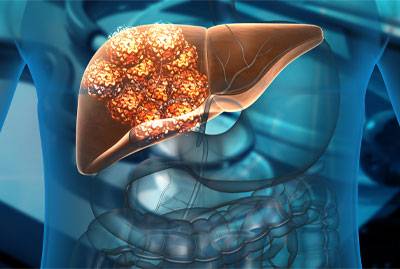
Hepatocellular carcinoma is the most common type of liver cancer. It is a type of cancer in which cells in the liver grow out of control.
It is the 5th most prevalent cause of cancer around the world, and it affects around 85% of patients diagnosed with cirrhosis.
Hepatocellular carcinoma primarily affects men, with a two to four times greater incidence in men than in women.
Symptoms
In the early stages, liver cancer usually doesn’t show any symptoms however, symptoms develop gradually over time as the tumor grows, and they include:
- Aches or discomfort on the right upper side of the abdomen
- Swollen abdomen
- A hard lump in the right upper side
- Pain in the right shoulder blade
- Jaundice “Yellowing of the skin the whites of the eye, dark stool, or pale urine”
- Easy bruising or bleeding
- Feeling tired
- Weight loss
- Loss of appetite
- Symptoms of indigestion such as feeling full quickly
- Nausea and vomiting
If you experienced symptoms of hepatocellular carcinoma,
visit your gastroenterologist who may direct you to an oncologist.
Recommended Doctors
View MoreCauses
Different risk factors may be involved in causing liver cancer such as:
- Chronic hepatitis B
- Chronic hepatitis C
- Fatty liver disease
- Alcohol
- A type of fungi toxin called aflatoxins
- Iron overload
- Old age-usually over 60 years
Diagnostics
Different tests and procedures may be used to diagnose and stage hepatocellular carcinoma such as:
Blood tests: A blood sample is used to measure the amount of specific substances which will help in the diagnosis.
Tumor marker: A blood sample is taken to measure the amount of a specific substance called “Alpha-fetoprotein” as its elevation indicates advanced disease.
Scans: Different types and techniques of scans are used to get pictures of the body to diagnose the disease and know if it spread to other organs (ex: Computed tomography “CT”, Magnetic resonance imaging “MRI”, and Ultrasound).
Biopsy: Taking a sample of the tissue to be tested. This procedure is not routinely used as it may have a high risk of bleeding or spreading cancer, so the doctor decides its usage according to the case.
Staging
Different systems are used for staging hepatocellular carcinoma as the usual system doesn’t show liver dysfunction and performance status.
Treatment
Choosing the appropriate treatment depends on the size of the tumor, location, spreading, and the patient's general health.
Treatment options are:
Surgery: Removing the tumor with part of the liver if it's small and didn’t spread yet.
Chemotherapy: A type of medicine that kills cancer cells. It is injected into the blood vessels of cancer to stop its growth (ex: Oxaliplatin, Fluorouracil).
Thermal ablation: A procedure that destroys cancer by changing the temperature either by heating or cooling. Electric current or microwaves can be used. This option can be used if the patient is not a candidate for surgery.
Targeted therapy: Medicines with a specific target that try to stop the growth and spread of the disease (ex: Sorafenib).
Radiotherapy: Radiations produced from a machine are used to kill cancer cells. Sometimes radioactive beads are injected into the liver to kill cancer cells.