Gestational Trophoblastic Tumor
Description
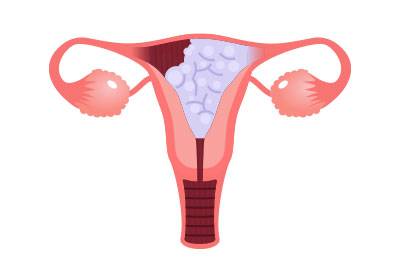
Gestational Trophoblastic Tumor (GTD) is a term used to describe a group of rare tumors that develop during the early stages of pregnancy. A woman's body prepares for pregnancy after conception by surrounding the newly fertilized egg or embryo with a layer of cells known as the trophoblast. These cells also make up a substantial portion of the placental tissue. Tumors form as a result of abnormal changes in the trophoblast cells in GTD. Although the majority of GTD tumors are benign, some have the potential to become cancerous.
GTD is typically divided into two categories:
- Hydatidiform moles: Partial molar pregnancy, and complete molar pregnancy.
- Gestational trophoblastic neoplasia (GTN): Choriocarcinoma, Invasive mole, Placental-site trophoblastic tumor, and Epithelioid trophoblastic tumor. T
The most common type of GTD is hydatidiform moles, whereas GTN is always malignant.
Symptoms
Menstrual-like bleeding or discharge
A larger-than-usual uterus while pregnant
Pain and/or mass in the pelvic area
Severe nausea and vomiting
High blood pressure or swollen hands and feet early in pregnancy
A fast heartbeat, shakiness, weight loss, and sweating are all symptoms of an overactive thyroid that could be caused by GTD.
The symptoms listed above are associated with a variety of other gynaecologic and pregnancy-related conditions. The only way to know if your symptoms are due to GTD is to have them evaluated by a gynaecologist.
Recommended Doctors
View MoreCauses
Regardless of the fact that GTD is a rare disease, there are some risk factors that could increase the likelihood of developing it, such as:
- Maternal age: If the female is under the age of 20 or over the age of 35.
- Previous molar pregnancy
- Miscarriage history
Diagnostics
- Internal pelvic exam: To detect any lumps or changes in the shape of the uterus.
- Pap test: A microscopic examination of cells collected from the cervix to detect changes that may be cancer or may lead to cancer, as well as to distinguish diagnosis from other conditions such as infection or inflammation.
- Transvaginal ultrasound: Examining the uterus and surrounding tissue with a transducer placed in the vagina.
- Blood test: To determine the levels of certain hormones and other substances that may be affected by GTD.
- Urinalysis: GTD may alter the amount of sugar, protein, bacteria, and certain hormones detected in suspected women's urine.
If the diagnosis is confirmed, additional tests will be performed to determine the stage of GTD and to determine whether tumor cells have spread to other parts of the body.
- Spinal tap: When GTD is suspected of spreading to the brain or spinal cord, cerebrospinal fluid is tested.
- Computed tomography (CT or CAT): Scans various parts of the abdomen.
- Chest X-rays
Treatment
The treatment of GTD is determined by the type of tumor, its location, size, and stage (whether it has spread or not). It may also be determined whether the tumor developed during pregnancy, after a miscarriage, or after pregnancy. The patient's overall health, medical history, previous treatment for GTD, and whether or not there are plans to have children in the future all influence the decision to choose the suitable medical intervention.
- Surgery: To remove abnormal uterine tissues and cells. The most commonly used surgery for GTD is dilation and curettage (D&C).
- Chemotherapy: This is used to kill cancer cells like Cosmegen, Dactinomycin, Methotrexate Sodium, Trexall, Vinblastine Sulfate.
- Radiation therapy: This treatment uses high-energy beams to kill cancer cells and shrink tumors.
- Hysterectomy: Removal of your uterus surgically. Other organs, such as your fallopian tubes and ovaries, may be removed as well.
Be sure to discuss potential treatments, risks, and side effects with your oncologist.