Fallopian tube cancer
Description
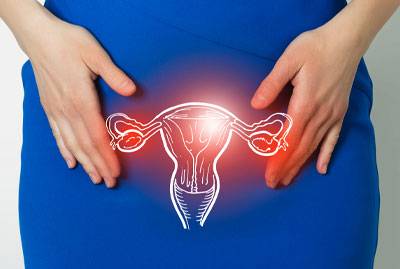
Fallopian tube cancer is a disease in which cells in the fallopian tubes overgrow out of control. The fallopian tubes are part of the female reproductive system that connect the ovaries to the uterus.
It’s a very rare type of cancer and accounts only for 0.3-1.6% of all gynecological cancers.
Symptoms
The symptoms are not clear, and some patients may not experience any symptoms, especially in the early stages.
Symptoms:
Vaginal bleeding
Vaginal discharges or bleeding accompanied by pain
Pelvic mass
Pelvic pain
Abdominal pain
Pelvic pressure
If you experienced symptoms of fallopian tube cancer,
visit your Gynaecologist who may direct you to an oncologist.
Recommended Doctors
View MoreCauses
Many risk factors can increase the chance of getting fallopian tube cancer such as:
- Family history of breast, ovarian, or fallopian tube cancer
- Genetic mutations in certain genes
- Inherited conditions such as Lynch syndrome and Peutz-Jeghers syndrome
- Age- usually >50 years old
- Obesity during early adulthood
- Endometriosis- A condition in which the lining of the uterus grows outside
- Early menstruation- below the age of 12 years
- Women who never gave birth
- Infertility
- Late menopause
- Not using oral contraceptive pills
- Hormone replacement therapy
Diagnostics
Different tests and procedures may be used to diagnose and know the stage of fallopian tubes cancer such as:
Pelvic examination: A physical examination by the doctor to find any abnormality or unusual masses.
Transvaginal ultrasound: An imaging procedure that gets a picture of the vagina, uterus, fallopian tube, and bladder.
Tumor markers: A test in which a blood sample is taken to measure the amount of special substance that is elevated in certain types of cancers including fallopian tube cancer.
Other scans: Different techniques and devices are used to take a picture of the body for diagnosis or checking for the disease spreading in the body such as magnetic resonance imaging “MRI”, Computed tomography “CT”, and Positron emission tomography “PET”.
Biopsy: A process in which a sample is taken from the fallopian tube to be examined under the microscope to confirm the diagnosis. This is considered the main process that confirms the diagnosis of fallopian tube cancer.
Staging
The staging of fallopian tube cancer depends on the size of the tumor, involvement of lymph nodes, and spreading to other parts of the body. It has stages from zero to four. stage four is the most severe one and indicates that cancer has spread to different organs.
Treatment
Treatment options are:
Surgery: It’s the mainstay for fallopian cancer treatment as it’s recommended to be done in all the disease stages either for the intention of cure or to make the tumor smaller. According to the case, surgery may range from removing one fallopian tube and ovary to removing more organs such as both tubes and ovaries, in addition to the uterus, cervix, and vagina.
Chemotherapy: A type of medicine that kills cancer cells and is usually taken as a combination of two or more medicines. In this case, chemotherapy is usually used after surgery to kill the remaining cancer cells and stop the disease from coming back (ex: Cisplatin, Carboplatin, Oxaliplatin, Paclitaxel).
Targeted therapy: These are medicines that target specific targets or molecules to stop cancer cell growth, they are usually used in combination with chemotherapy after surgery (ex: Olaparib, Bevacizumab).