Dysmenorrhea
Description
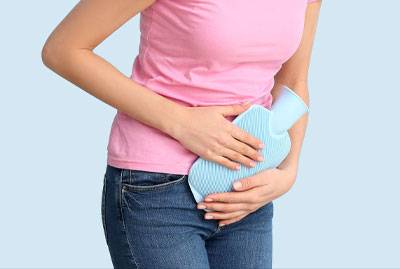
Dysmenorrhea is the name for the pain related to menstruation. More than half of menstruating women have pain for one to two days each month. Pain is typically rather minor. Nonetheless, the discomfort for some women is so severe enough to prevent them from engaging in their regular activities for a few days each month.
Symptoms
- Severe, throbbing, or cramping ache in your lower abdomen
- Pain that begins one to three days before to your period, peaks 24 hours after it begins, and goes away in two to three days.
- Dull, constant pain
- Pain in both thighs and lower back
- Nausea
- Headache and dizziness
Symptoms that require clinical help from a Gynaecologist includes :
- Menstrual pains monthly impairing the quality of your life.
- Signs worsening over time.
- Painful menstruation at the age of 25 and beyond.
If you have any of these symptoms visit a Gynaecologist to be diagnosed and treated properly.
Recommended Doctors
View MoreCauses
The uterine muscles contract as a result of hormone-like chemicals (prostaglandins) involved in inflammation and pain. More severe menstrual cramps are linked to higher prostaglandin levels.
Menstrual cramps may result from :
- Endometriosis
- Uterine fibroids
- Adenomyosis
- Pelvic inflammatory disease
- Cervical stenosis
Women who are at increased risk to develop dysmenorrhea have the below risk factors :
- Females younger than age 30
- Early puberty, at age 11 or younger
- Heavy bleeding during periods (menorrhagia)
- Irregular menstrual bleeding (metrorrhagia)
- Family history of menstrual cramps (dysmenorrhea)
- Smoking
Diagnostics
- Pelvic exam : to examines the reproductive organs for any abnormalities and searches for any infections.
- Ultrasound : to create an image of your uterus, cervix, fallopian tubes and ovaries.
- Other imaging tests (CT-scan or MRI scan) : to provide more detailed image of internal organs within pelvis.
- Laparoscopy : to help detect an underlying condition, such as endometriosis, adhesions, fibroids, ovarian cysts and ectopic pregnancy.
Treatment
Typically, the first line of treatment for excruciating pain is medication.
- Medical treatment
- Nonsteroidal anti-inflammatory medicines (NSAIDs) to diminish the body's production of prostaglandins and their effects.
- Birth control methods that contain estrogen and progestin
- Hormonal intrauterine device (IUD)
- Alternative treatments
- Acupuncture
- Acupressure
- Nerve stimulation therapies