Temporal Lobe Epilepsy
Description
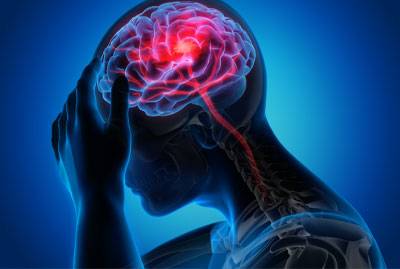
Epilepsy with a temporal lobe origin is known as temporal lobe epilepsy (TLE). TLE is the most common type of localized epilepsy, and it is found in your two temporal lobes, one on each side of your brain behind your temples. TLE is seen in about 60% of individuals with focal epilepsy.
Symptoms
The signs of focal seizures with diminished awareness include :
- A blank look or staring into space.
- Automatisms are repetitive actions and behaviors that affect your mouth, eyes, and hands. Examples include fidgeting, picking, and excessive blinking (lip-smacking, chewing, swallowing).
- Confusion.
- Unusual speech : a change in one's ability to respond to and interact with others.
- Temporary loss of the capacity to read, speak, or understand speech.
A temporal lobe seizure may be preceded by an aura. When a seizure is about to begin, you experience an aura. Common symptoms during an aura include :
- Feeling of either familiarity or unfamiliarity).
- A sudden feeling of fury, grief, or excitement; perhaps of dread, panic, or both.
- A growing feeling of nausea in your stomach
- Altered senses of touch, taste, smell, hearing, and sight.
If you have any of these symptoms visit a Neurologist to be diagnosed and treated properly.
Recommended Doctors
View MoreCauses
The exact cause of temporal lobe seizures is unknown. Yet, it can be caused by a variety of factors, including :
- TBI stands for traumatic brain injury.
- Infections like encephalitis or meningitis, or a history of them
- A condition that causes scarring (gliosis) in a part of the temporal lobe.
- Brain blood vessel malformations
- Stroke
- Tumors of the brain
- Syndromes caused by genes.
Diagnostics
- Electroencephalography (EEG) to assist in separating seizure disorders from other diseases.
- Brain scans such as MRI to check the brain for any scarred areas.
- Neurological test
- Blood tests look for indications of genetic disorders, infections, blood sugar levels, or electrolyte problems.
- Computerized tomography (CT) scan to show any brain anomalies, such as tumors, hemorrhage, or cysts, which could be causing your seizures.
- Positron emission tomography (PET) to assist in identifying disorders by making active brain regions visible.
- Single-photon emission computerized tomography (SPECT) to produce a thorough 3-D image of the blood flow activity that takes place during a seizure in your brain.
Treatment
Finding the best therapy to halt seizures with the fewest adverse effects is the ideal goal in seizure treatment.
- Anti-seizures medication
- Surgery
- Vagus nerve stimulation
- Responsive neurostimulation
- Dietary therapy
- Lifestyle modifications :
- Wearing a medical alert bracelet
- Taking your medications as prescribed
- Getting adequate sleep