Primary Sclerosing Cholangitis
Description
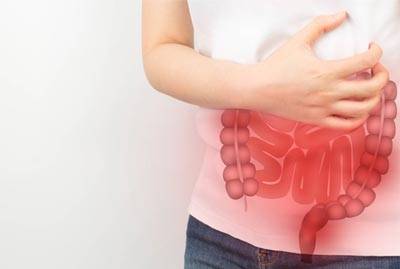
Primary sclerosing cholangitis is a chronic disease of the bile duct which causes long-term inflammation of the bile duct leading to scar tissue formation. This scar tissue stops the flow of bile through the ducts resulting in bile backup in the liver. In the end, this causes liver damage.
Symptoms
Primary sclerosing cholangitis patients may have no symptoms; some people may experience :
- Jaundice (yellowing of the skin and whites of the eyes)
- Itching
- Pain in the right upper part of the abdomen
- Fever
- Unexplained weight loss
- Fatigue
Visit a General Practice doctor (General Practitioner) if you notice yellowing of your skin or your eye or any symptom of the above, you might be referred to a Gastroenterology doctor (Gastroenterologist) for proper diagnosis and treatment.
Recommended Doctors
View MoreCauses
The exact cause of primary sclerosing cholangitis is unclear. There are some factors that may contribute to the disease development, like :
- Genes
- Immune system problems
- Injury or damage of the bile duct
Diagnostics
- Liver function blood tests
- Liver biopsy (a procedure to remove a piece of liver tissue for laboratory testing by inserting a needle through the skin and into the liver to extract a tissue sample)
- Endoscopic retrograde cholangiopancreatography (ERCP is a type of bile duct x-ray)
- Magnetic resonance cholangiography (MRI of the bile duct)
Treatment
Since primary sclerosing cholangitis is a progressive disease, the liver's damage may gradually worsen over time. The rate of primary sclerosing cholangitis progression varies and it can take decades. If not treated, the liver can be damaged and may not properly function. To prevent liver failure, doctors may prescribe some medications (such as ursodeoxycholic acid and obeticholic acid). If the liver is severely damaged, a liver transplant may be recommended.