Posttraumatic Epilepsy
Description
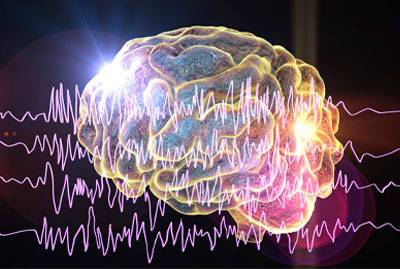
Posttraumatic epilepsy (PTE) is a recurrent seizure disorder that appears to be caused by brain injury. This injury could be caused by a variety of head injuries, which are commonly referred to as traumatic brain injury.
Symptoms
Some patients may have some findings depending on the location and severity of the traumatic brain injury. Seizures can cause symptoms to overlap. Such symptoms include :
- Language problems
- Diffuse psychomotor slowing.
- Psychological problems
- Personality changes
- Posttraumatic stress disorder (PTSD)
- anxiety
- Depression
- Posttraumatic headaches and some could develop migraines.
If you have any of these symptoms visit a Neurologist to be diagnosed and treated properly.
Recommended Doctors
View MoreCauses
By definition, brain damage leads to posttraumatic epilepsy. The following patient characteristics make patients more vulnerable to posttraumatic epilepsy :
- Ages older than 65 years old or less than five years
- Chronic drinking
Risk Factors contributing to brain injury :
- Severe injury
- Serious head injury
- Hemorrhage inside the skull
- Depressed or linear skull fracture
- Bloody contusion
- A coma that lasts longer than 24 hours
- Pre-thrombotic syndrome
- Traumatic brain injury history
- Electroencephalographic abnormalities or focal neuroimaging in the immediate aftermath of injury
Diagnostics
The tests listed below can help in Posttraumatic Epilepsy diagnosis and evaluation :
- Electroencephalography (EEG) & video EEG
- Neuroimaging
- Magnetic resonance imaging (MRI)
- Computerized tomography (CT)
Treatment
Hospitalization is not required for the treatment of posttraumatic epilepsy.
- Anti-seizures medication :
For early posttraumatic seizure
- IV phenytoin and sodium valproate (Medications of choice)
- IV benzodiazepine
For late posttraumatic seizure treatment is not mandatory and usually challenging for compliance issues. Instead, Surgery is a valid option in such situations if applicable.