Pancreatic Pseudocysts
Description
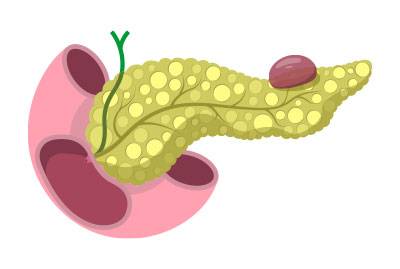
The pancreatic pseudocyst is a collection of pancreatic fluids. A lot of pancreatitis patients will develop a pancreatic pseudocyst. Pancreatitis is a common condition, and it is more prevalent in women and can affect all ages.
Symptoms
Symptoms of pancreatic pseudocysts may include :
- Persistent abdominal pain
- Fever
- Swollen belly
- Nausea and vomiting
- An abdominal mass detected on physical exam
Visit a General Practice doctor (General Practitioner) if you have severe abdominal pain, you might be referred to a Gastroenterology doctor (Gastroenterologist) for proper diagnosis and treatment.
Recommended Doctors
View MoreCauses
When pancreatic cells become inflamed or damaged and pancreatic enzymes begin to leak, pseudocysts occur. The pancreatic tissue is harmed by enzyme leakage. Acute and chronic pancreatitis can lead to the development of pancreatic pseudocysts. Having gallstones and drinking a lot of alcohol are the two most common causes of pancreatitis. Some other causes include :
- Pancreas injury or trauma
- Pancreas infection
- Pancreatic tumor
- High levels of calcium or fats in your blood
- Some medicines
- Autoimmune diseases
- Hereditary conditions
Diagnostics
Adding to the physical examination, your doctor may request the following tests :
- Laboratory tests
- Imaging tests (abdominal ultrasound, abdominal CT scan)
Treatment
Many pseudocysts will go away with supportive care; your healthcare provider may just watch your pseudocyst.
If the pancreatic pseudocyst is large or hasn’t gone away over time, your doctor with the help of medical imaging may treat it by inserting a thin tube (catheter) through your abdomen to drain the pseudocyst. The cyst may be drained endoscopically by entering the ducts of the pancreas through your stomach. In other cases, you may need surgery to drain your pancreatic pseudocyst