Frontal lobe syndrome
Description
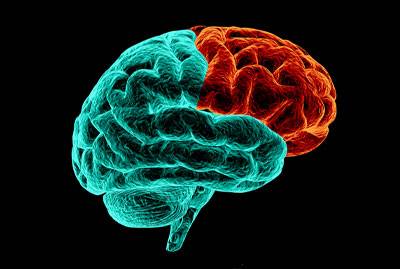
Frontal lobe syndrome is a term that describes the damage of the brain’s higher-functioning processes such as motivation, cognition, planning, social behavior, and speech/language. The frontal lobe is the largest lobe in the brain and is divided into three parts which are involved in different higher-functioning processes such as regulating emotions, social interactions, personality, and behavior.
Symptoms
- Poor judgment
- Poor cognition
- Difficulty learning
- Poor memory
- Speaking problems
- Loss of emotions or interest in something
- Personality changes
- Impulsive or risky behavior
- Distractibility
- Movement difficulty
- Loss of creativity
Visit a Neurologist to be diagnosed and treated properly, If you or one of your family have any of these symptoms
Recommended Doctors
View MoreCauses
Many diseases can cause damage to the frontal lobe and lead to this condition, such as :
- Traumatic head injury
- Stroke
- Brain tumor
- Alzheimer
- Multiple sclerosis
- Parkinsonism
- Epilepsy
- Dementia
- Human immunodeficiency virus
Diagnostics
Diagnosis depends on symptoms, medical history, and physical examination to exclude other conditions that can cause similar symptoms first. Different types of scans are used to detect changes caused to the brain, such as :
- Magnetic resonance imaging (a procedure in which magnetic fields are used to produce an image of the brain).
- Computed tomography scan (a procedure in which x-ray and a computer are used to produce an image of the brain).
- Positron emission tomography (a procedure that uses radioactive substances during producing an image of the brain).
Treatment
Treatment depends on treating the underlying disease that caused this condition at first. Other treatments can help in improving the symptoms, such as :
- Speech therapy : Treatment of people with speech and communication problems by training, to help them to speak more clearly.
- Physical therapy : Treatment through specific exercises and machines to help people with movement disorders to move better.
- Occupational therapy : Treatment that helps patients to improve their motor skills and adapt to their illness by teaching them to do the tasks that are important to their daily lives through special exercises.