Contrast-Induced Nephropathy
Description
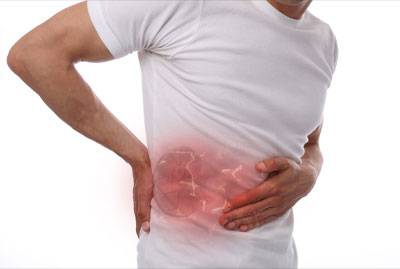
A significant consequence of angiographic procedures caused by the administration of contrast media is contrast-induced nephropathy. It accounts for roughly 12% of cases and is the third most frequent cause of acute renal damage acquired in hospitals. A rise in serum creatinine of more than 25% or 0.5 mg/dl (44 mol/l) from baseline within 48 hours is referred to be contrast-induced nephropathy.
Symptoms
A sudden decline in kidney function during a 48–72-hour period is linked to contrast-induced nephropathy with signs similar to renal illness include :
- Increased tiredness
- An inability to eat.
- Swelling in the feet and ankles
- Puffiness around the eyes
- Dry, itchy skin
Contrast-induced nephropathy is frequently reversible, and patients can recover. However, it can occasionally result in more severe renal issues as well as potential heart and blood vessel issues. If you have any of these symptoms visit a Nephrologist to be diagnosed and treated properly.
Recommended Doctors
View MoreCauses
- Contrast-induced nephropathy risk factors are classified as patient-related, procedure-related, and contrast-related (although the risk variables are still being identified and remain poorly understood) :
Patient-related risk factors include :
- Age
- Chronic kidney disease
- Diabetes mellitus
- Hypertension
- Metabolic syndrome
- Anemia
- Multiple myeloma
- Hypoalbuminemia
- Kidney transplant
- Hypovolemia and decreased effective circulating volumes.
Procedure-related risk factors include :
- Urgent versus elective
- Arterial versus venous
- Diagnostic versus therapeutic
Contrast-related risk factors include :
- Volume of contrast
- Contrast characteristics, including osmolarity, ionicity, molecular structure, and viscosity
Diagnostics
- The tests listed below can help in Contrast-induced nephropathy diagnosis and evaluation:
- Blood tests :
- Serum creatinine
- Serum cystatin C
- Fractional excretion of sodium (FENa)
- Urine analysis :
- Renal tubular epithelial cells
- Pigmented granular casts.
- Urate crystals
- Debris
- Urine osmolality
- Kidney biopsy to look for cell vacuolization, interstitial inflammation, and cellular necrosis.
Treatment
Contrast Induced Nephropathy has no known cure, but over time, symptoms might become better. Although new treatments are showing encouraging outcomes, prevention is still essential.
New treatments include :
- Sodium bicarbonate
- N-acetylcysteine (NAC)
- Statins
- Ascorbic acid
- The adenosine antagonists (theophylline and aminophylline)
- Vasodilators
- Forced diuresis.
- Renal replacement therapy
- Prostaglandin E1.
Prevention strategies include :
- Hydration Therapy, preventing volume depletion.
- Use of concurrent diuretics or nephrotoxins, such as cytotoxic medications, aminoglycosides, and NSAIDs, should be avoided.
- Reduce the volume of Contrast media.
- Prevent activation of renal vasoconstriction.