Complex Partial Seizures
Description
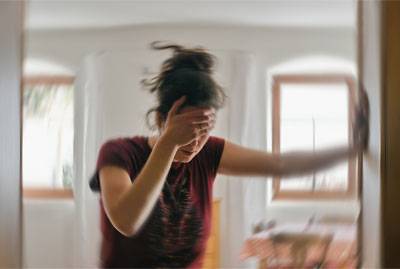
A focal impaired awareness seizure, often called a focal onset impaired awareness seizure, is another name for a complex partial seizure. One specific part of the brain is where this kind of seizure begins. Usually, but not always, the temporal lobe of the brain is where this occurs. They normally just last a minute or two and are harmless. However, they could be odd or unsettling.
Symptoms
A complex partial seizure can cause a variety of symptoms. These symptoms, however, may occur during one seizure but not another.
- Unable to answer.
- Staring off into space or appearing to be daydreaming
- Picking at the air, clothing, or furniture
- Repeating words, yelling, laughing, or sobbing
- Doing dangerous actions by doing things like crossing in front of moving vehicles or taking off all or part of their clothing
- Making bicycle-like movements
- Being confused when the seizure stops
- Being ignorant of their surroundings, either partially or completely,
- Hallucinating
- Attempting to do self-harmful stuff.
- Forgetting the seizure
If you have any of these symptoms visit a Neurologist to be diagnosed and treated properly.
Recommended Doctors
View MoreCauses
While epilepsy is one of the most frequent causes, other disorders, such as :
- Psychological discomfort or trauma
- Neurological disorders
- Severe anxiety
- Despair
- Stress
- Autism and other ailments resulting from birth defects that affect the developing brain include neurofibromatosis.
Additional conditions that can cause a seizure include high fever, flashing lights, and adverse drug reactions.
Diagnostics
The tests listed below can help in Complex Partial Seizures diagnosis and evaluation :
- Electroencephalography (EEG) to measure electrical brain waves.
- Computed tomography (CT) scan.
- Brain scans such as MRI
- Blood test
- Lumbar puncture
Treatment
The cause of the seizures, additional medical issues, and other factors all affect the type of treatment that is utilized.
Medication
- Antiepileptic drugs (AEDs)
Devices:
- Stimulation of the vagus nerve
- Responsive neurostimulation
Surgery
Dietary changes
- A particular diet, such as the high-fat, low-carb ketogenic diet, to help prevent seizures.