Benign cervical lesions (polyps)
Description
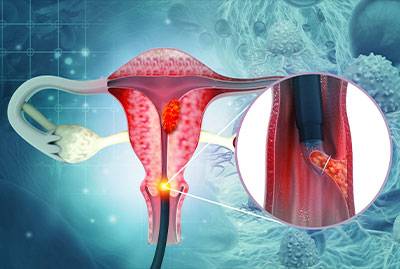
Benign cervical lesions or polyps are abnormal growths on the cervix. The cervix is the part that connects the uterus and the vagina. These polyps usually occur during the reproductive age, particularly after the age of 20 years. The polyps are classified into two types: endocervical (the lesions arise from the cervical glands inside the cervix) and ectocervical (the lesions arise from the outer surface layer of the cervix). This condition affects 2-5% of women.
Symptoms
Two-thirds of patients don’t have any symptoms. If symptoms are present, they may include :
- Heavy menstrual bleeding
- Intermenstrual bleeding
- Postmenopausal bleeding
- Vaginal discharges
Visit a Gynaecologist if you have any of these symptoms to be diagnosed and treated properly
Recommended Doctors
View MoreCauses
The exact cause of this condition is unknown, but it’s thought that it can be caused due to congestion of cervical blood vessels, infection, or inflammation of the cervix. Several risk factors can increase the risk of developing this condition such as :
- Premenopausal women
- A woman that has been pregnant more than once
- Sexually transmitted infections
- Previous history of cervical polypsThere is no need for any intervention if the polyp “lesion” doesn’t cause any symptoms. If it’s large, symptomatic, or atypical it should be surgically removed and examined to rule out malignancy.
Diagnostics
Benign cervical polyps are usually discovered by incidence during a routine gynecologic examination. Diagnostic tests include :
- Triple smear (a sample is taken to be examined and confirm the diagnosis).
- Transvaginal ultrasound (an imaging procedure in which ultrasound waves are used to produce an image of the vagina and surrounding area to detect any abnormality).
Treatment
There is no need for any intervention if the polyp “lesion” doesn’t cause any symptoms. If it’s large, symptomatic, or atypical it should be surgically removed and examined to rule out malignancy.