Bacterial vaginosis
Description
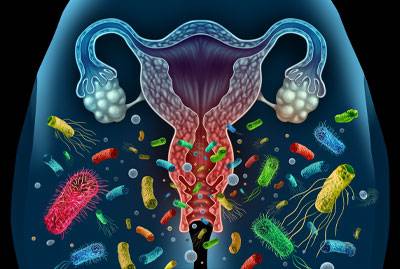
Bacterial vaginosis is a common bacterial infection caused by the overgrowth of normal bacteria found in the vagina. It increases the risk of sexually-transmitted diseases, urogenital infections, and early delivery in pregnant women. It’s the most common vaginal infection of women of childbearing age with incidence ranging from 5-70%.
Symptoms
Half of the patients may not have any symptoms
- Unusual vaginal discharge with a strong fishy smell
- Thin greyish-white vaginal discharge
- Vaginal itching
- Painful or difficult urination
Visit a Gynaecologist if you have any of these symptoms to be diagnosed and treated properly
Recommended Doctors
View MoreCauses
The exact cause that leads to the overgrowth of normal bacteria causing bacterial vaginosis is unknown. Several risk factors can increase the risk of developing this condition such as :
- Using vaginal douches
- Being sexually active
- Having multiple sexual partners
- Recent antibiotic use
- Using an intrauterine device for contraception
- Smoking
Diagnostics
Diagnosis depends on the symptoms and medical history, in addition to other diagnostic tools such as :
- Pelvic examination (a physical examination in which the to examine vaginal discharge and exclude other conditions).
- Vaginal swab (a procedure to take a sample of vaginal discharge to be examined under the microscope for the presence of bacteria and measure the vaginal PH to find if it’s higher than normal).
Treatment
This condition may resolve in up to 30% of patients without treatment. Antibiotics are used for treatment such as Metronidazole or Clindamycin. If the patient didn’t improve or infection recurrence occurred, an additional antibiotic course should be used.