Alzheimer’s disease
Description
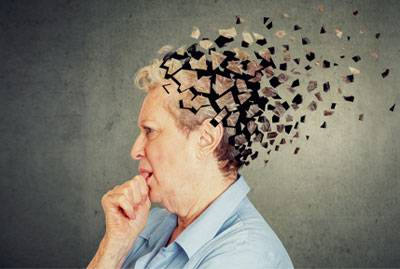
Alzheimer’s disease is a slowly progressive neurological disorder that causes degeneration of the brain cells and is the main cause of dementia. Dementia is characterized by deterioration in memory, thinking, comprehension, learning ability, language, judgment, and behavior, which affects the person’s ability to function independently. Alzheimer's is the most common type of dementia that occurs at the age of 65 years and older. Around fifty million people suffer from Alzheimer’s disease worldwide and this number is subjected to double every 5 years. Women are at greater risk for having Alzheimer’s disease as two-thirds of the diagnosed cases are women.
Symptoms
The symptoms change from mild to severe symptoms that impair daily activities over time.
Early-stage symptoms :
- Forgetting recent conversations or events
- Putting items in the wrong places
- Forgetting the names of places or objects
- Repeating asking the same questions
- Poor judgment or having difficulty in making decisions
- Not knowing the time
Middle-stage symptoms :
- Having difficulty remembering names and recognizing family members and friends
- Imagining and believing things that are not true
- Speech and language problems
- Hallucinations
- Mood swings
- Depression
- Disturbed sleep
Late-stage symptoms :
- Being violent and suspicious about the surrounding persons
- Difficulty in eating and swallowing
- Difficulty in moving
- Weight loss
- Urine/stool incontinence
- Loss of speech
In the advanced stages, the patient should have a caregiver to take care of and assist him in all his daily activities.
Visit a Neurologist to be diagnosed and treated properly, If you or one of your family have any of these symptoms
Recommended Doctors
View MoreCauses
The exact cause for the disease occurrence is still unknown, but several factors may increase the risk of developing this disease.
- Aging (>65 years)
- Family history of dementia
- Genetic factors
- Head injuries
- Smoking
- Environmental factors (ex: exposure to heavy and trace metals)
Diagnostics
Diagnosis depends on the signs and symptoms in addition to other diagnostic tools that help in diagnosis such as :
- Neurological examination (an assessment of the sensory and motor neurons especially the reflexes to detect impairment in the nervous system and brain).
- Laboratory tests (blood sample is taken to be examined to rule out other conditions that may lead to similar symptoms).
- Computed tomography scan (a procedure in which x-ray and a computer are used to produce an image of the brain).
- Magnetic resonance imaging (a procedure in which magnetic fields are used to produce an image of the brain).
- Positron emission tomography (a procedure that uses radioactive substances during producing an image of the brain).
Treatment
Currently, there’s no cure for Alzheimer's disease.
- Some medications are used to treat the symptoms and slow down the disease progression such as :
- Cholinesterase inhibitors : Donepezil, Galantamine, Rivastigmine.
- NMDA receptor antagonists : Memantine.
- According to the case, the patient may need to be treated with other medications such as :
- Antidepressants : Paroxetine, Sertraline
- Antipsychotics : Risperidone, Quetiapine
- Anti-anxiety drugs : Clonazepam, Oxazepam
- Managing behavioral problems :
- Maintain familiar environment
- Keep the patient comfortable
- Redirect the patient's attention if he’s under stress
- Avoid confrontation