Acute Tubular Necrosis
Description
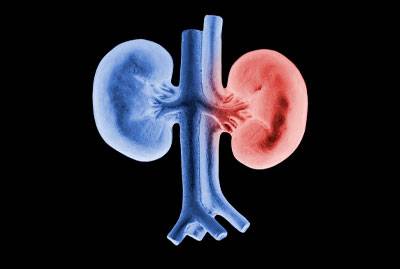
Small, tube-shaped organs inside your kidneys eliminate waste, excess fluid, and salt from your blood. You get acute tubular necrosis (ATN), a kind of acute kidney injury, when these tubules are hurt or destroyed. Acute renal failure could be the damage's side effect.
Symptoms
Symptoms of acute tubular necrosis change depending on how severe it is. Common symptoms include :
- Feeling sleepy even during the day
- Physical exhaustion or depletion
- Frequent hydration issues
- Lethargic feeling
- Seldom urination or no urination at all
- Fluid retention
- Confusion
- Nausea and vomiting
Complications include :
- Acid-based and electrolyte disturbances such as hypocalcemia, hyperkalemia related to metabolic acidosis, and hyperphosphatemia.
- Volume overload is related to anuria or oliguria.
- Uremic complications lead to pericarditis, bleeding diathesis, and altered mental status.
If you have any of these symptoms visit a Nephrologist to be diagnosed and treated properly.
Recommended Doctors
View MoreCauses
Toxins are especially likely to target the kidney :
- 10–30% of people on aminoglycosides experience harm due to aminoglycosides :
- An underlying liver or renal condition
- The concurrent use of various nephrotoxins, such as cisplatin, radiocontrast medium, and amphotericin B
- Shock
- Elderly age
- Risk factors for amphotericin B nephrotoxicity:
- Male sex
- High daily dose maximum; nephrotoxicity more likely if taken at >3 g.
- A longer course of treatment
- Hospitalization in the intensive care unit when treatment first began.
- Concurrent use of cyclosporine
- Other exogenous nephrotoxins include :
- Cyclosporine and tacrolimus (calcineurin inhibitors)
- Cisplatin
- Ifosfamide
- Foscarnet
- Pentamidine, which is used to treat Pneumocystis
- Nephrotoxicity includes volume depletion and concomitant use of other nephrotoxic antibiotic agents, such as (Aminoglycosides, which is widespread practice in the immunosuppressed)
- Sulfa drugs
- Acyclovir and indinavir
- Tenofovir
- Mammalian target of rapamycin (mTOR) inhibitors (e.g., everolimus, temsirolimus)
Diagnostics
The tests listed below can help in acute tubular necrosis diagnosis and evaluation :
- Urinalysis to check for abnormal cells, urine color, and indications of bacterial and other organism infections.
- Urine tests for creatinine and blood urea nitrogen, as both levels rise in kidney failure.
- Fractional excretion of sodium (FENa) to distinguish between prerenal disease and acute tubular necrosis.
- Blood tests to evaluate salt and creatinine.
- A biopsy to analyze your kidney tissue.
- CT imaging of the kidneys' interior
Treatment
Acute tubular necrosis can be prevented by identifying individuals who are undergoing high-risk procedures and who have concomitant conditions that can exacerbate its effects. This is the cornerstone of care.
- In order to prevent hypovolemia or hypotension, patients with low blood pressure should stop taking ACEI or angiotensin II receptor blockers, and their volume status should be optimized using intravenous (IV) fluids, such as crystalloids, to guarantee appropriate renal perfusion.
- Avoid using NSAIDs, antibiotics such amphotericin B, aminoglycosides, vancomycin, piperacillin/tazobactam, and radiocontrast agents.
- In cases of volume overload that are resistant to diuretics, hyperkalemia, symptoms of uremia, and metabolic acidosis, renal replacement therapy (RRT) is employed.
- Continuous renal replacement therapy (CRRT) is the recommended treatment for critically unwell, hemodynamically unstable patients.
- Diuretics are not advised for the treatment of acute tubular necrosis in kidney disease; they are solely used to control volume status.