Kidney Failure disease and its treatment
Description
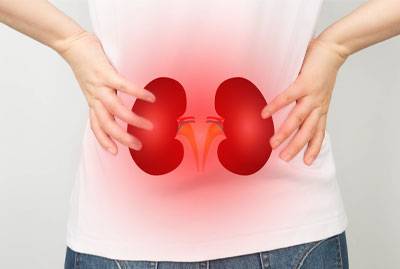
When your kidneys are suddenly unable to filter waste from your blood, you experience acute kidney failure. Dangerous levels of waste may build up when your kidneys lose their filtering capacity, and your blood's chemical composition may go out of balance. Acute kidney failure, which is often referred to as acute renal failure or acute kidney damage, occurs suddenly, typically within a few days. The majority of cases of acute renal failure occur in patients who are already hospitalized, particularly in severely ill patients who require intensive care. Despite being a serious condition that needs aggressive care, acute kidney failure might be curable.
Symptoms
Acute kidney failure may be clinically presented as follows :
- Decreased pee production, yet occasionally normal urine production is still present.
- Fluid retention causing swelling in legs, ankles, or feet.
- breathing difficulty or shortness of breath
- Fatigue
- Confusion
- Nausea
- Weakness
- abnormal heartbeat
- chest pressure or discomfort
- seizures, or in the worst circumstances, coma
Sometimes acute kidney failure goes unnoticed and is only discovered through laboratory tests ordered for another reason. If you have any of these symptoms visit a Nephrologist doctor to be diagnosed and treated properly.
Recommended Doctors
View MoreCauses
Kidneys fail suddenly for three main reasons :
- Altering the kidneys' blood flow as a result of an infection, medications, liver disease (aspirin, ibuprofen, naproxen, or COX-2 inhibitors like Celebrex), medicines for high blood pressure, heart attack, dehydration or severe burns, and loss of blood or liquid.
- A disorder, such as bladder, cervical, colon, or prostate cancer, which prevents urine from leaving the kidneys urinary tract blood clots, a swollen prostate, renal stones, or injury to the bladder's nerves.
- Directly harmed kidneys as a result of: blood clots, cholesterol buildup, chemotherapy, antibiotics, and medications that can directly harm the kidneys, such as NSAIDs like ibuprofen and naproxen, and glomerulonephritis.
Risk factors to develop acute kidney failure include :
- Hospitalization
- Diabetes mellitus
- Elder ages
- Coronary artery disease
- Heart failure
- Hypertension
- Chronic kidney disease
- Chronic liver disease
Diagnostics
- Your Nephrologist may examine your kidneys and identify renal failure using a range of kidney function tests including:
Blood tests :
- To assess how well your kidneys remove waste from your blood.
Urine tests :
- To measure specific substances in urine, such as protein or blood.
Imaging Studies :
- Kidney ultrasound
- CT urogram
- MRI
Kidney biopsy
Treatment
- A hospital stay is frequently necessary for acute kidney failure treatment. The cause of your acute renal failure and the speed at which your kidneys recover will determine how long you need to stay in the hospital.
- Acute kidney failure management scheme includes :
- Treating the kidney injury's fundamental cause
- ·Managing issues up until the kidneys improve :
- Medications to regulate blood potassium.
- Treatments to balance the quantity of fluid in blood.
- Drugs to increase blood calcium levels.
- Dialysis to help eliminate toxins from blood.
- Lifestyle modification :
- Pick foods with less potassium.
- Avoid salt-added food.
- Keep phosphorus levels low.