Causes and Complications of Pilonidal Sinus
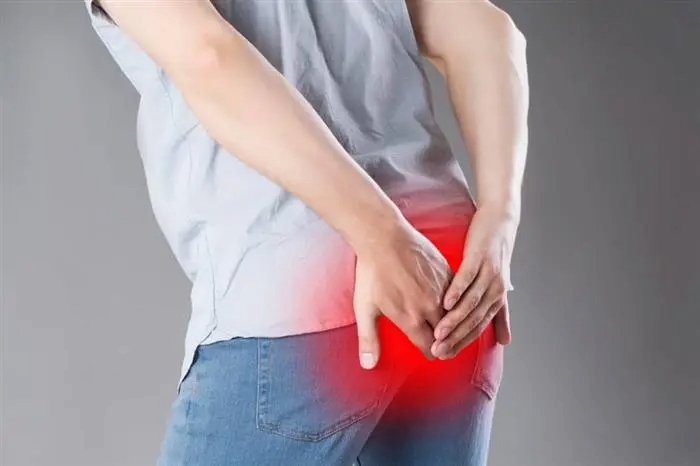
Pilonidal sinus is a skin condition that can cause significant pain and discomfort. It often results from preventable factors such as prolonged sitting and poor hygiene.
In this article, we’ll explore the causes, risk factors, symptoms, and complications of pilonidal sinus, along with treatment options and surgical procedures.
What Is Pilonidal Sinus?
A pilonidal sinus typically appears as a small tunnel or opening in the skin between the anus and the tailbone. It may become infected, leading to the formation of cysts or abscesses, commonly known as pilonidal cysts.
These cysts may contain air, fluid, hair, or debris—hence the term "hair cysts." The condition is more common in young men and can either occur once or recur multiple times.
Those who sit for extended periods are at higher risk, and patients may experience sharp pain when sitting if the sinus becomes inflamed or infected.
What are Symptoms of Pilonidal Sinus?
Pilonidal sinus can go unnoticed in its early stages, often presenting initially as a shallow depression in the skin. When the area becomes infected, it rapidly develops into painful abscesses or hair-filled cysts. Common symptoms include:
- Redness and inflammation around the affected area
- Swelling and tenderness
- Visible hair protruding from the sinus
- Severe pain while sitting
- Discharge of blood or pus from the area
- Foul-smelling drainage
- Multiple small openings in the skin
- Pain on touching the area
- Fever in some cases
What is the Location of Pilonidal Sinus and Its Role in Infection?
Pilonidal sinus typically forms at the upper part of the crease between the buttocks, near the tailbone—an area prone to friction.
While the exact cause remains unknown, several contributing factors include:
- Friction between the skin and clothing
- Prolonged sitting
- Hair growth and ingrown hairs
- Excessive sweating
- Hormonal changes (usually post-puberty)
The friction in this area may cause hairs to embed back into the skin, which the immune system then identifies as foreign bodies—leading to cyst formation.
How to Treat Pilonidal Sinus in Early Stages?
Treatment depends on the severity and progression of the condition. For early-stage, mild infections:
- Antibiotics may be prescribed to manage the infection.
- Topical or oral medications can help reduce symptoms but do not eliminate the sinus.
- Home care is essential and includes personal hygiene and regular hair removal.
Other options include:
- Incision and Drainage: A small cut is made to drain the pus, hair, and debris, followed by cleaning and sterile dressing.
- Phenol Injections: A chemical compound is injected into the cyst to harden and close it over time through repeated sessions.
Pilonidal Sinus Surgery
Surgery is often the only definitive treatment and is considered when infections are recurrent or multiple sinuses are present.
The procedure is usually done under local anesthesia and takes around 30 minutes. The surgeon removes the infected tissue and debris via a small incision.
There are two main surgical options:
- Open Wound Healing: The wound is left open to heal naturally, reducing recurrence risk but requiring longer recovery.
- Closed Wound Healing: The wound is stitched closed, allowing faster recovery but with a slightly higher risk of reinfection.
The wound is covered with a sterile dressing, and the patient must follow hygiene protocols and hair removal routines.
What is the Postoperative Care Tips?
To support faster healing:
- Wear loose-fitting, cotton underwear
- Keep the area clean and dry
- Avoid cycling for 6–8 weeks
- Avoid heavy lifting or strenuous activities during the first week
- Eat a high-fiber diet to prevent straining
- Refrain from swimming until the wound is fully healed
- Remove body hair regularly
Is Pilonidal Sinus Dangerous?
While not life-threatening, neglecting a pilonidal sinus can lead to serious complications, including:
- High fever (over 38°C)
- Persistent pus or blood discharge
- Foul odor from the wound
- Spreading infection
- Increased pain
- In rare cases, systemic infection if left untreated
How to Prevent Pilonidal Sinus?
Prevention includes:
- Avoid prolonged sitting
- Clean the area regularly with soap and rinse thoroughly
- Keep the gluteal crease dry
- Remove hair routinely
Conclusion
Maintaining personal hygiene and keeping the buttock area dry are essential for preventing pilonidal sinus and similar conditions.
If you notice any unusual symptoms, consult a physician early to avoid complications and ensure proper treatment.
If you still need to consult a doctor regarding this condition, you can easily book an appointment through Vezeeta
Related Keywords
Specialized Doctors

غادة عبد المنعم مختار
استشاري اول الحساسية و المناعة واستاذ مساعد بكلية الطب جامعة الزقازيق

امل محمد حبيب
استشاري الحساسيه والمناعه للاطفال

اماني ابراهيم
استشاري اول امراض الحساسية و المناعة و الروماتيزم كلية الطب جامعة عين شمس
References
Mayo Clinic. Pilonidal Cyst: Symptoms & Causes.
Available at: https://www.mayoclinic.org
Cleveland Clinic. Pilonidal Cyst – Overview, Treatment, and Surgery.
Available at: https://my.clevelandclinic.org
MedlinePlus. Pilonidal Cyst.
Available at: https://medlineplus.gov
American Society of Colon and Rectal Surgeons (ASCRS). Pilonidal Disease: Patient Information.
Available at: https://www.fascrs.org
National Health Service (NHS). Pilonidal Sinus.
Available at: https://www.nhs.uk
Specialized Doctors
غادة عبد المنعم مختار
استشاري اول الحساسية و المناعة واستاذ مساعد بكلية الطب جامعة الزقازيق
امل محمد حبيب
استشاري الحساسيه والمناعه للاطفال
اماني ابراهيم
استشاري اول امراض الحساسية و المناعة و الروماتيزم كلية الطب جامعة عين شمس