Wisdom Tooth Extraction: Is It Really Necessary and How Is It Done?
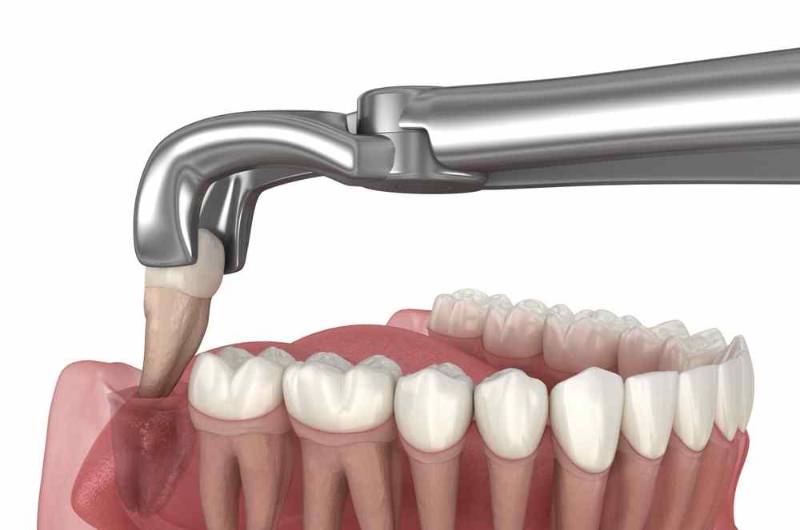
Wisdom Tooth: When Should It Be Removed, and What Are the Risks?
The wisdom tooth is considered one of the important teeth in the jaws. However, it may sometimes require extraction. Many people experience a deep fear of wisdom tooth removal, despite the fact that the procedure is not as difficult as it may seem.
In this article, we will explore everything related to wisdom tooth extraction — when it becomes necessary, how it's performed, and how to care for the area afterward.
Does Removing a Wisdom Tooth Affect Intelligence?
There is a long-held but false belief that removing a wisdom tooth negatively affects a person’s intelligence. This misconception is entirely inaccurate.
The term "wisdom tooth" originates from the typical time of its eruption — between the ages of 18 and 24 — a stage where people are believed to be more mature and wise.
In some people, wisdom teeth may not fully develop, or one may emerge while the others do not. Often, these teeth erupt in misaligned positions or exert pressure on adjacent teeth, which may necessitate extraction.
What Does a Wisdom Tooth Look Like?
Like other teeth, a wisdom tooth consists of roots and a crown, but it doesn't have a uniform shape. Its structure varies from person to person — even within the same individual.
It may have a single root or multiple fused roots. Therefore, a dental X-ray is essential before any treatment or extraction to assess the exact position and structure.
What Benefits of Wisdom Teeth?
Wisdom teeth erupt at the ends of the upper and lower jaws and contribute to overall balance and proper chewing function. They absorb part of the chewing force, thus reducing stress on neighboring molars.
What Symptoms of Problematic Wisdom Teeth?
Various symptoms may indicate issues requiring treatment or extraction, which may result from impaction (partial or full) or decay:
- Facial swelling
- Difficulty opening the mouth
- Severe pain in the lower jaw
- Crowding or overlapping of teeth
- Pain in adjacent teeth
- Cavities or crumbling of the wisdom tooth
- Inflammation and swelling of the gum tissue covering the tooth
- Pain when touching, chewing, or during sleep
- Numbness in the lower jaw if the tooth presses on the nerve
- Root resorption or shifting seen on dental X-rays
- Bad breath due to trapped food
- Painful ulcers or inner cheek injuries from repeated biting
What Types of Impacted Wisdom Teeth?
- Fully Impacted – The tooth is completely buried under the jawbone and is not visible in the mouth.
- Partially Impacted – Part of the tooth is visible, but the rest remains under the gum.
They may appear in various orientations:
- Angled impaction – Crown tilts toward the adjacent tooth
- Inverted impaction – Roots point upward and crown downward
- Horizontal impaction – Tooth lies sideways, making extraction more challenging
What Causes of Wisdom Tooth Inflammation?
A flap of gum tissue may form over a partially erupted wisdom tooth, trapping food and fluids, which leads to infection and pain. Other causes include pressure on nearby teeth, decay, or friction against the cheek or tongue.
What Benefits of Extracting a Wisdom Tooth?
While preserving a wisdom tooth is ideal if it’s healthy, removal may be necessary in the following cases:
- To relieve pain
- To protect adjacent teeth from damage
- To release pressure on jaw nerves or other teeth
- To resolve chronic cheek biting or ulcers
- To eliminate bad breath
- To stop recurring mouth infections
Why Do People Fear Wisdom Tooth Removal?
Many fear the procedure because of the tooth's location at the back of the mouth, making it difficult to see or reach. However, the extraction follows standard dental protocols and mainly requires proper case evaluation via X-rays.
Surgical removal may take longer, especially for impacted or decayed wisdom teeth. In some cases, a portion of the surrounding bone must be removed for easier access.
Depending on the wound's size, stitches may or may not be necessary.
Is Wisdom Tooth Extraction Painful?
Local anesthesia ensures the procedure itself is painless. However, surgical extraction may cause some post-op discomfort from prolonged mouth opening, which usually resolves within a few hours.
What to Do After Wisdom Tooth Extraction?
Post-operative care tips include:
- Bite down on gauze for 1–2 hours
- Avoid rinsing your mouth on the first day
- Apply cold compresses during the first 24 hours
- Eat soft foods and avoid chewing on the extraction side
- Avoid hot foods or drinks on day one
- Take prescribed painkillers or antibiotics if needed
- Drink plenty of cold fluids, avoiding straws
- Refrain from smoking for a few days
- Don’t touch the area with your fingers or tongue
- Use warm compresses starting the second day
- Begin saline rinses after 24 hours
How Long Does It Take for the Wound to Heal?
Initial healing takes about 7–10 days with stitches. Without stitches, it may take longer. Patient compliance with post-op instructions significantly speeds up recovery.
How Long Does Recovery Take?
Most patients resume normal activities the same day or the next. Surgical extractions may require more downtime.
When Does the Pain Subside After a Simple Extraction?
Pain typically resolves within 1–2 days, and over-the-counter painkillers can help manage discomfort during this time.
What Potential Complications of Surgical Extraction?
Some post-surgical complications may occur, including:
- Bleeding
- Facial swelling
- Jaw joint pain and difficulty opening the mouth
- Damage to adjacent teeth, nerves, or jawbone
- Infection from food particles or bacteria
- Dry socket – occurs if the blood clot is dislodged, exposing the bone and causing intense pain
Conclusion
Wisdom teeth should not be removed without medical justification. However, extraction becomes essential when there's risk of complications. Choosing an experienced dentist and following aftercare instructions will ensure a smooth and quick recovery.
If you still need to consult a doctor regarding this condition, you can easily book an appointment through Vezeeta
Related Keywords



References
Mayo Clinic. (2024). Wisdom teeth removal: When is it necessary?
Retrieved from https://www.mayoclinic.org
American Dental Association (ADA). Wisdom teeth – What you need to know.
Retrieved from https://www.mouthhealthy.org
Cleveland Clinic. (2024). Wisdom Teeth (Third Molars): Function, Problems & Removal.
Retrieved from https://my.clevelandclinic.org
American Association of Oral and Maxillofacial Surgeons (AAOMS). (2023). Management of Impacted Third Molars.
Retrieved from https://www.aaoms.org
Better Health Channel. (2023). Wisdom Teeth Removal.
Retrieved from https://www.betterhealth.vic.gov.au