What causes bleeding gums, and could it be a sign of a serious condition?
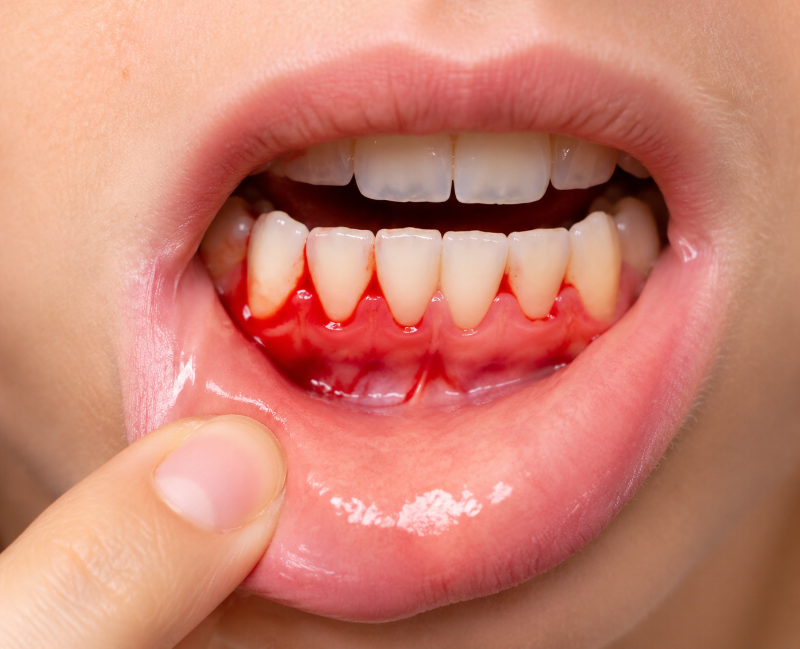
What Are Bleeding Gums?
Bleeding gums refer to blood coming from the tissues surrounding the teeth, and it most commonly occurs while brushing your teeth or using dental floss.
Under normal conditions, gums are pink, firm, and do not bleed during daily oral care.
Bleeding usually occurs due to the buildup of plaque—a sticky layer of bacteria and food debris that accumulates along the gumline. Over time, this buildup irritates the gums and makes them more prone to bleeding. If plaque is not removed regularly, it hardens into tartar, which can only be removed by a dentist, and the condition may progress into deeper inflammation known as periodontal disease.
Causes of Bleeding Gums While Brushing
There are several causes of bleeding gums, and they may vary from person to person. The most common include:
- Plaque and tartar buildup: Caused by poor oral hygiene, leading to gum irritation and easy bleeding.
- Incorrect brushing technique: Using a hard-bristled toothbrush or brushing too aggressively can cause tiny injuries to the gums instead of cleaning them.
- Hormonal changes: Such as during pregnancy, puberty, or menopause, when the gums become more sensitive and prone to bleeding.
- Medications and health conditions: Some medications, such as blood thinners, or clotting disorders may cause gum bleeding even without obvious inflammation.
- Smoking: Reduces blood flow to the gums and may mask signs of inflammation while damage continues.
What Causes Sudden Gum Bleeding?
Bleeding that appears suddenly without an obvious reason may be more concerning than bleeding associated with brushing. This type may be linked to an acute infection, newly started medications, or sudden hormonal changes.
If sudden bleeding is accompanied by symptoms such as swelling, pain, or fever, it is best to seek prompt medical evaluation.
Are Bleeding Gums Dangerous?
In most cases, bleeding gums are not considered a medical emergency, especially if the bleeding is mild and occurs during brushing. However, it is not normal and should not be ignored—it is often a sign of gum irritation or inflammation.
The issue becomes more concerning if the bleeding persists for a long time or does not improve with home care, as this may indicate advanced gum disease, vitamin deficiencies, or even a broader health issue requiring evaluation.
Home Treatment for Bleeding Gums
Mild cases of bleeding gums can often be managed at home through a few basic steps:
Improve Oral Hygiene
- Brush your teeth 2–3 times daily
- Use a soft-bristled toothbrush
- Clean between teeth with dental floss daily
Rinse Regularly
Use warm salt water or an antiseptic mouthwash to help reduce bacteria and soothe irritated gums.
Improve Lifestyle Habits
Stop smoking and eat foods rich in vitamins C and K, which support gum health and promote healing.
If bleeding does not improve within two weeks, consult a dentist to determine the exact cause.
Treatment for Persistent Gum Bleeding
When bleeding occurs daily or repeatedly for more than two weeks, it often indicates that the inflammation is no longer mild. In such cases, tartar may have accumulated below the gumline, requiring professional dental cleaning to remove deposits and treat inflammation.
How Can You Prevent Bleeding Gums?
Prevention is always easier than treatment. You can reduce the risk of bleeding gums by:
- Maintaining a daily oral hygiene routine
- Using fluoride toothpaste
- Cleaning between teeth regularly
- Visiting the dentist periodically for tartar removal
- Reducing sugar intake and following a balanced diet
- Quitting smoking
When Are Bleeding Gums Serious?
You should seek medical advice if:
- Bleeding continues for more than two weeks
- Bleeding is heavy or difficult to stop
- It is accompanied by facial swelling or severe pain
- Persistent bad breath develops
- You notice gum recession or loose teeth
These symptoms may indicate an advanced condition requiring prompt treatment to avoid complications such as tooth loss.
Conclusion
In the end, bleeding gums may seem like a minor symptom that is easy to ignore, but sometimes it can be an early warning sign of a health problem that needs attention, such as gum inflammation, nutritional deficiencies, or other conditions affecting the body. Therefore, maintaining daily oral hygiene, using the correct brushing technique, and having regular dental checkups are essential steps for prevention and preserving gum health. If the bleeding persists or becomes recurrent, do not hesitate to seek medical advice for proper diagnosis and treatment.
If you still need a doctor’s consultation regarding this condition, you can easily book an appointment through Vezeeta.
Related Keywords





References
- //my.clevelandclinic.org/health/symptoms/24908-bleeding-gums
- https://my.clevelandclinic.org/health/diseases/10950-gingivitis-and-periodontal-disease-gum-disease:
- https://www.healthline.com/health/how-to-stop-bleeding-gums
- https://www.nhs.uk/conditions/gum-disease/
- https://my.clevelandclinic.org/health/diseases/22484-pregnancy-gingivitis
- https://www.nhsinform.scot/illnesses-and-conditions/mouth/gum-disease/
- https://my.clevelandclinic.org/health/diseases/21482-gum-periodontal-disease