What are the symptoms of schizoaffective disorder and how is it treated?
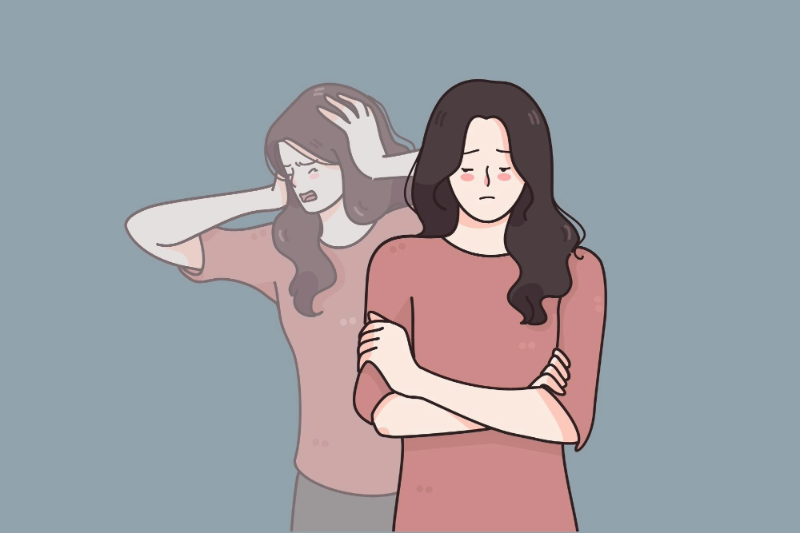
Schizoaffective disorder is a chronic mental illness that combines symptoms of schizophrenia — such as hallucinations or delusions — with mood disorder symptoms, like depression or mania. This often leads to initial misdiagnosis as bipolar disorder or major depressive disorder.
The condition affects an estimated 0.03% of the population and is more common in women aged 16–30.
What are Types of Schizoaffective Disorder?
The condition is classified into two main types:
- Depressive Type: Characterized by episodes of major depression, including deep sadness, lack of motivation, and fatigue.
- Bipolar Type: Involves episodes of mania (e.g., increased energy, impulsive behavior) often accompanied by depressive symptoms.
What are Symptoms of Schizoaffective Disorder?
Symptoms vary in intensity and duration but generally include both mood-related and psychotic features:
- Hallucinations: Seeing or hearing things that aren’t real.
- Delusions: Firm beliefs in things that are clearly false.
- Depression: Persistent sadness, low self-worth, loss of interest, insomnia or hypersomnia.
- Mania: Periods of excessive energy, racing thoughts, risky behavior, and decreased need for sleep.
- Disorganized Speech: Irrelevant or incoherent answers, minimal or disjointed responses.
- Neglect of Personal Hygiene.
- Poor social functioning or academic/work decline.
What are Causes of Schizoaffective Disorder?
Though the exact cause is unknown, several factors may contribute:
- Brain-related factors: Abnormalities in brain structure or neurotransmitter function (e.g., dopamine and serotonin).
- Genetics: A family history of schizoaffective disorder or similar conditions may increase risk.
- Environmental triggers: Stressful life events, substance abuse (especially hallucinogens or alcohol), or viral infections may play a role.
Schizoaffective vs. Schizophrenia: What’s the Difference?
While both disorders share psychotic symptoms like hallucinations and delusions, they differ in key aspects:
- Schizophrenia: Characterized by persistent psychotic symptoms with occasional mood disturbances.
- Schizoaffective Disorder: Marked by ongoing mood symptoms (depression or mania) alongside episodes of psychosis.
Treatment also differs:
- Schizophrenia treatment focuses on psychotic symptoms.
- Schizoaffective treatment addresses mood symptoms as a priority.
How Is Schizoaffective Disorder Diagnosed?
Diagnosis is based on clinical evaluation, medical history, and symptom assessment:
- Blood tests and imaging: Rule out other conditions or substance use.
- Psychiatric evaluation: Includes discussions with the patient and family about behavior, beliefs, and emotional states.
- DSM-5 criteria: According to the American Psychiatric Association, a diagnosis is confirmed when:
- Psychotic and mood symptoms coexist for extended periods.
- Psychotic episodes occur even in the absence of mood symptoms (at least once for two weeks).
- Symptoms are not due to drugs or other mental disorders.
Is Schizoaffective Disorder Curable?
There is currently no definitive cure, but long-term treatment can manage symptoms effectively and help patients lead functional lives.
Treatment typically includes:
- Medication: Tailored to the type of schizoaffective disorder.
- Antipsychotics: Manage hallucinations and delusions (e.g., paliperidone).
- Antidepressants: Improve mood and energy.
- Mood stabilizers: Reduce manic episodes (e.g., valproate or lithium).
- Psychotherapy:
- Helps patients understand and cope with the disorder.
- Improves decision-making, communication, and social skills.
- Family therapy and support groups are also beneficial.
- Social Skills Training: Rehabilitative therapy to help with employment or social reintegration.
- Hospitalization: May be required in severe cases for close monitoring or if the patient is a danger to themselves or others.
- Electroconvulsive Therapy (ECT): Considered in cases where medications and therapy fail.
Is Schizoaffective Disorder Dangerous?
Yes, it can be. If untreated, it may lead to:
- Substance abuse
- Strained family relationships
- Persistent depression or anxiety
- Social isolation
- Suicidal thoughts or actions
- Inability to work or attend school
How to Support Someone with Schizoaffective Disorder?
- Provide a calm, low-stress environment.
- Be patient and understanding during symptom flare-ups.
- Ensure the patient has access to care and never ignore warning signs of self-harm.
- In crisis situations, seek immediate medical help.
In Conclusion
Modern societal pressures have contributed to the rise in mental health issues such as schizoaffective disorder — a complex condition involving mood disturbances alongside psychosis. Early diagnosis, proper treatment, and family support are essential to reduce risks and help patients live more balanced and fulfilling lives.
If you still need to consult a doctor regarding this condition, you can easily book an appointment through Vezeeta
Related Keywords
Specialized Doctors



References
American Psychiatric Association. (2013). Diagnostic and Statistical Manual of Mental Disorders (DSM-5®). American Psychiatric Pub.
Mayo Clinic. (2024). Schizoaffective disorder: Symptoms and causes. Retrieved from: https://www.mayoclinic.org
National Institute of Mental Health (NIMH). (2024). Schizoaffective Disorder. Retrieved from: https://www.nimh.nih.gov
Cleveland Clinic. (2023). Schizoaffective Disorder: What It Is, Symptoms & Treatment. Retrieved from: https://my.clevelandclinic.org
Mental Health America (MHA). (2024). Schizoaffective Disorder. Retrieved from: https://www.mhanational.org
National Alliance on Mental Illness (NAMI). (2023). Schizoaffective Disorder. Retrieved from: https://www.nami.org
Sadock, B. J., Sadock, V. A., & Ruiz, P. (2015). Kaplan and Sadock's Synopsis of Psychiatry: Behavioral Sciences/Clinical Psychiatry (11th ed.). Wolters
Specialized Doctors