What Are the Signs of Down Syndrome? Can It Be Detected During Pregnancy?
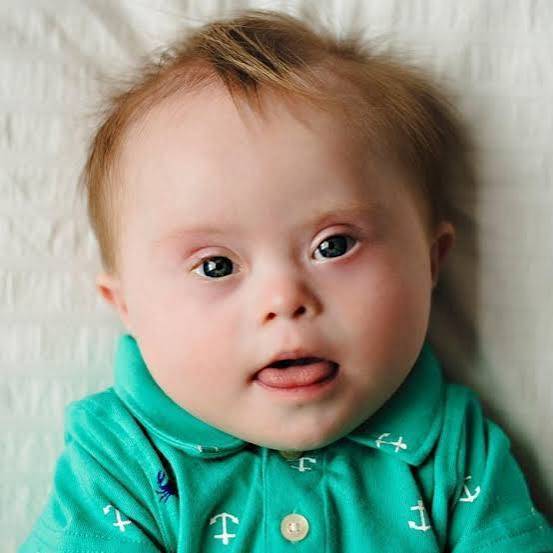
What Is Down Syndrome?
Down syndrome is a chromosomal genetic condition that occurs when a child has an extra copy of chromosome 21, either as a complete extra chromosome or as an additional part of it.
Normally, most body cells contain 46 chromosomes arranged in 23 pairs. In Down syndrome, there is extra genetic material from chromosome 21. This affects how the brain and body develop and may lead to distinctive physical features and differences in mental and motor abilities.
Down syndrome does not affect all children in the same way. Learning abilities, communication skills, daily living skills, and associated health problems vary from one child to another.
What Are the Types of Down Syndrome?
There are three main types of Down syndrome. Each type differs according to how the extra genetic material is present:
- Trisomy 21: This is the most common type and accounts for about 95% of cases. It occurs when every cell in the body contains three separate copies of chromosome 21 instead of two.
- Translocation Down syndrome: In this type, an extra complete or partial copy of chromosome 21 is attached to another chromosome instead of existing as a separate chromosome.
This type may sometimes be associated with a chromosomal translocation in one of the parents. For this reason, a doctor may recommend chromosome testing for both parents and genetic counseling when planning another pregnancy.
- Mosaic Down syndrome: In this type, some body cells contain an extra copy of chromosome 21, while other cells have the normal number of chromosomes.
The features and abilities of people with this type may vary according to the proportion and distribution of cells carrying the extra copy.
Is Down Syndrome an Inherited Condition?
Most cases of Down syndrome are not inherited. They occur because of a random error during cell division. However, some cases of translocation Down syndrome may be linked to a chromosomal translocation in one of the parents. Genetic counseling may therefore be important for assessing the chance of recurrence.
What Are the Symptoms of Down Syndrome?
Down syndrome symptoms vary in severity. They may include physical features, developmental differences, and certain associated health problems.
First: Physical Signs of Down Syndrome
A child may have some distinctive physical features, such as:
- Flattened facial features and a flat nasal bridge.
- Eyes that slant upward.
- A short neck and small ears.
- Low muscle tone, which may cause the child to need more time to control head and body movements.
- Relatively small hands and feet.
- A single transverse crease across the palm in some children.
- Increased joint flexibility.
A child does not need to have all these features. The presence of one or more of them alone is not enough to confirm the diagnosis.
Second: Developmental Symptoms of Down Syndrome
A child with Down syndrome may need more time to acquire certain skills than other children. These may include:
- Delayed sitting, crawling, or walking.
- Delayed speech and language development.
- Difficulty acquiring some educational skills.
- Differences in attention, memory, and problem-solving abilities.
- Needing additional help with some daily activities.
The degree of developmental delay varies from one child to another. A child’s future abilities cannot be determined by the diagnosis alone.
Third: Health Problems Associated With Down Syndrome
Down syndrome may be associated with health problems that require medical follow-up, including:
- Congenital heart defects.
- Hearing loss or recurrent ear problems.
- Vision problems.
- An underactive thyroid gland.
- Obstructive sleep apnea.
- Some digestive disorders, such as celiac disease.
Not every child develops these problems. Early screening and regular follow-up help identify and manage them at the appropriate time.
What Causes a Child to Be Born With Down Syndrome?
Down syndrome occurs because of a random error during cell division that results in extra genetic material from chromosome 21. This error may occur while the egg or sperm is forming, or during an early stage after fertilization.
Down syndrome is not caused by something the mother or father did. There is no evidence that the parents’ everyday behavior or usual lifestyle causes this condition.
How Is Down Syndrome Diagnosed?
The possibility of Down syndrome can be detected during pregnancy. The diagnosis can also be confirmed after birth through genetic tests.
Diagnosing Down Syndrome During Pregnancy
Pregnancy tests are divided into two main types:
First: Screening Tests
These tests estimate the likelihood that the fetus has Down syndrome, but they do not confirm the condition. They include:
- Maternal blood tests: These look for markers associated with the possibility of Down syndrome.
- Ultrasound: This may include measuring the thickness of the nuchal translucency behind the fetus’s neck and looking for other signs.
- Cell-free fetal DNA testing (NIPT): This test uses a sample of the mother’s blood to estimate the likelihood of certain chromosomal abnormalities, including trisomy 21.
Second: Diagnostic Tests
These tests are used to confirm or rule out a chromosomal change. They include:
- Chorionic villus sampling (CVS): This is usually performed during the first trimester.
- Amniocentesis: This is usually performed after the 15th week of pregnancy.
The doctor determines whether these tests are needed based on the screening results, gestational age, and medical condition, while explaining their potential benefits and risks.
Diagnosing Down Syndrome After Birth
A doctor may suspect Down syndrome based on certain physical features. Confirming the diagnosis requires chromosome testing, known as a karyotype, using a blood sample from the baby.
This test helps identify an extra copy of chromosome 21 and determine the type of chromosomal change associated with the condition.
Is There a Treatment for Down Syndrome?
There is currently no treatment that removes the genetic change causing Down syndrome. However, medical and rehabilitation programs can help the child develop skills and improve their quality of life.
The type of support is selected according to the child’s individual needs and may include:
- Early intervention and physical therapy: Physical therapy helps strengthen muscles, improve balance and motor coordination, and support the child in developing skills such as sitting, crawling, and walking. Early intervention is especially important when low muscle tone or delayed motor skills are present.
- Speech and language therapy: The child may need speech therapy to develop communication skills, understand language, and express needs through speech or alternative communication methods when necessary.
- Occupational therapy: Occupational therapy helps the child acquire daily living skills, such as eating, dressing, using tools, and performing age-appropriate activities.
- Educational and behavioral support: The child may benefit from educational plans suited to their abilities and learning style, along with behavioral and psychological support when needed. Social interaction and skill development should also be encouraged.
- Regular medical follow-up: The child’s health should be monitored by a pediatrician, with recommended screening for associated health problems such as heart defects, hearing and vision problems, and thyroid disorders.
How Can You Care for a Child With Down Syndrome?
A child with Down syndrome needs a supportive environment that helps them learn, interact, and gradually become more independent. You can help through several practical steps:
- Encourage independence: Give the child opportunities to try age-appropriate daily tasks, and avoid doing everything for them.
- Talk with the child regularly: Use clear, simple sentences, read stories, and encourage the child to express their needs.
- Focus on play and interaction: Games and physical and educational activities help develop communication and thinking skills.
- Keep up with rehabilitation sessions: Follow the physical therapy, speech therapy, and occupational therapy plan recommended by specialists.
- Avoid comparisons: Every child learns and develops skills at a different pace, so focus on the child’s personal progress.
- Provide emotional and social support: Help the child build relationships and take part in activities suited to their abilities.
Remember that the family’s role is not limited to following treatment. It also includes providing love, encouragement, and opportunities that help the child discover their abilities.
Can Down Syndrome Be Prevented?
There is no guaranteed way to prevent Down syndrome because it usually results from a random chromosomal change.
If you have a family history of chromosomal translocations, or have previously had a child with translocation Down syndrome, your doctor may recommend genetic counseling and chromosome testing to assess the chance of recurrence in a future pregnancy.
Screening and diagnostic tests during pregnancy can also help estimate the likelihood of Down syndrome or confirm the condition, depending on the type of test.
In the end, dealing with Down syndrome does not stop at learning the diagnosis. It begins with understanding the child’s needs and providing appropriate support at every stage of development. The more you help your child receive healthcare and early intervention, and give them opportunities to learn, communicate, and develop skills, the greater their chances of achieving more independence and participating in daily life. Do not let the diagnosis determine how you view your child’s future. With care and encouragement, your child can develop their abilities and build a life filled with experiences and achievements.
If you still need a doctor’s consultation regarding this condition, you can easily book an appointment through Vezeeta.
Related Keywords





References
https://www.cdc.gov/birth-defects/about/down-syndrome.html
https://www.cdc.gov/birth-defects/living-with-down-syndrome/
https://www.acog.org/advocacy/policy-priorities?sortCriteria=%40opti_sortabledate%20descending
https://www.acog.org/clinical/guidance/practice-advisory/2026/01/screening-for-fetal-chromosomal-abnormalities
https://www.nichd.nih.gov/health/topics/down/conditioninfo/diagnosis
https://medlineplus.gov/genetics/condition/down-syndrome/
https://www.nhs.uk/conditions/downs-syndrome/what-is-downs-syndrome/