What Are the Causes of Tinnitus and How Is It Treated?
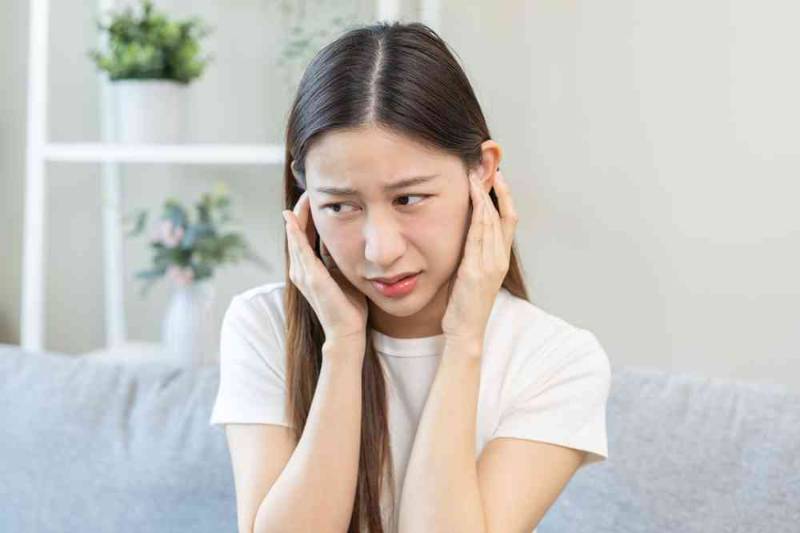
Do you suffer from frequent ringing in your ears? Are you looking for a way to eliminate tinnitus permanently?
Tinnitus is a disturbing sensation that can deprive a person of rest and sound sleep. It can affect people of all ages and its causes vary from one individual to another. In this article, we’ll explore the symptoms and causes of tinnitus and the best treatment options available.
What Is Tinnitus?
Tinnitus is the perception of sound in the ears without any external source. These phantom sounds vary from person to person and often appear as a symptom secondary to other health conditions. Tinnitus affects both men and women but is most common in people aged 40 to 80 years.
Tinnitus Symptoms
Tinnitus is classified into two types. The most common is subjective tinnitus, in which only the patient hears the sound. It may present as ringing, buzzing, clicking, pulsing, or hissing noises, and can sometimes resemble loud engine-like sounds, which interfere with the ability to hear external sounds.
Tinnitus may affect one or both ears and cause significant emotional and psychological distress.
In pulsatile tinnitus, the sound may coincide with the patient’s heartbeat and can sometimes be heard by the physician during examination.
What Causes Ringing in the Ears?
Sound waves pass through the ear in a defined pathway until they are interpreted by the brain. Any disruption in this process can lead to tinnitus.
The middle ear transmits sound to the inner ear, which converts it into electrical signals sent to the brain. When the delicate hair cells in the inner ear become damaged—due to aging or prolonged exposure to loud noises—they may send false signals to the brain, leading to tinnitus.
Tinnitus is commonly seen in:
- Musicians (especially rock or rap)
- Pilots
- Carpenters
- Factory workers near loud machinery
- Demolition or repair workers
It may also result from issues in the middle ear, eardrum, or auditory nerves.
Causes of Tinnitus
Common causes of tinnitus in one or both ears include:
- Head or neck injury, which may affect the ear, brain, or auditory nerves—often causing unilateral tinnitus.
- Age-related hearing loss or prolonged exposure to loud noises.
- Earwax buildup or ear infections causing fluid accumulation and blockage.
- Medications such as chemotherapy drugs, diuretics, antidepressants, NSAIDs, and some antibiotics.
Less common causes include:
- Meniere’s disease
- Otosclerosis
- Temporomandibular joint (TMJ) dysfunction
- Vestibular schwannoma (acoustic neuroma)
- Eustachian tube dysfunction
- Autoimmune diseases such as lupus or rheumatoid arthritis
- High blood pressure
- Inner ear muscle spasms
How Is Tinnitus Diagnosed?
Diagnosis is based on a detailed medical history and symptom description. The doctor may perform a physical examination of the ear using a special light and ask you to perform certain movements (e.g., moving the eyes, neck, or limbs) to identify the underlying cause.
Further tests may include:
- Hearing test using headphones to assess hearing levels and confirm/exclude causes.
- Imaging (MRI or CT) to detect abnormalities in the ear or nearby structures.
Tinnitus Treatment
Treatment depends on addressing the underlying cause. Options include:
- Earwax removal using a gentle irrigation technique.
- Hearing aids to improve hearing in patients with hearing loss-related tinnitus.
- Sound therapy devices that produce low-level sounds (like rain or waves) to mask tinnitus, especially helpful during sleep.
- Medications, which are used to treat underlying conditions or adjust medications that may be causing tinnitus.
What Medications Help Tinnitus?
There is no definitive cure for tinnitus through medication, but some drugs can help relieve associated symptoms:
- Anti-anxiety medications: These alter brain signals to reduce perception of tinnitus.
- Antidepressants: May help by increasing serotonin levels, which can improve mood and reduce tinnitus-related distress.
How to Treat Tinnitus Naturally at Home
You can manage tinnitus at home with the following strategies:
- Reduce emotional and physical stress.
- Practice relaxation techniques like yoga or meditation.
- Avoid loud environments and reduce volume levels when using headphones.
- Wear ear protection around loud sounds.
- Limit intake of caffeine and alcohol.
Is Tinnitus Dangerous?
Tinnitus can significantly impact quality of life and may lead to:
- Headaches
- Sleep disturbances
- Fatigue
- Anxiety or depression
- Concentration difficulties
- Hearing loss
- Social withdrawal
How to Prevent Tinnitus
You can reduce your risk by:
- Lowering sound levels and avoiding prolonged exposure to loud noise.
- Using ear protection when necessary.
- Maintaining overall health with proper diet and regular exercise.
- Reducing alcohol and caffeine intake.
In Conclusion
While tinnitus may seem like a minor inconvenience, it can be a sign of a more serious condition. Identifying and treating the root cause is essential to avoid complications. If you experience ringing in your ears, consult a healthcare provider for accurate diagnosis and effective management.
If you still need to consult a doctor regarding this condition, you can easily book an appointment through Vezeeta
Related Keywords
Specialized Doctors

Samir AbdelWahab
Consultant of Ear, Nose, Throat, Hearing Disorders and Balance Surgery - Al-Azhar Medicine

Ahmed Elgendy
Consultant Of Ear,Nose,And Throat Surgeries

Mostafa ElTaher
Consultant in Ear, Nose, Throat and Sinuses
References
Mayo Clinic — Tinnitus: Symptoms, Causes & Treatments
https://www.mayoclinic.org/diseases-conditions/tinnitus/symptoms-causes/syc-20350156
American Academy of Otolaryngology — Tinnitus
https://www.entnet.org/health-information/tinnitus/
National Institute on Deafness and Other Communication Disorders (NIDCD) — Tinnitus
https://www.nidcd.nih.gov/health/tinnitus
MedlinePlus — Tinnitus
https://medlineplus.gov/tinnitus.html
Johns Hopkins Medicine — Tinnitus Overview: Causes, Symptoms, and Treatments
https://www.hopkinsmedicine.org/health/conditions-and-diseases/tinnitus
Specialized Doctors
Samir AbdelWahab
Consultant of Ear, Nose, Throat, Hearing Disorders and Balance Surgery - Al-Azhar Medicine
Ahmed Elgendy
Consultant Of Ear,Nose,And Throat Surgeries
Mostafa ElTaher
Consultant in Ear, Nose, Throat and Sinuses