Vaginal Varicose Veins: Causes, Symptoms, and the Latest Treatments to Restore Your Comfort
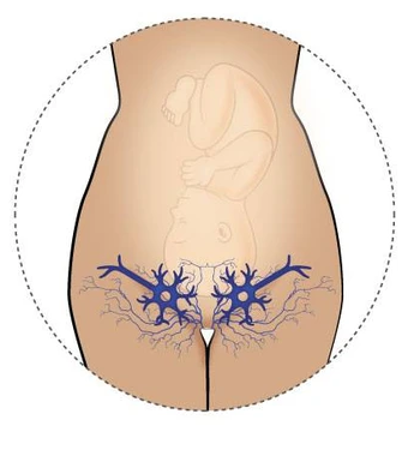
Vaginal varicose veins are a common condition caused by the dilation and enlargement of veins in the vaginal area, leading to feelings of heaviness, pain, and discomfort. This condition is similar to varicose veins in the legs and often occurs due to increased pressure on the pelvic veins, especially during pregnancy, hormonal changes, or prolonged standing. Although vaginal varicose veins are usually not a serious medical issue, they can significantly affect a woman’s quality of life and daily comfort, particularly during physical activities and intimate relationships. Therefore, it is important to understand their causes, symptoms, and available treatment options to achieve relief and prevent complications.
What are the causes of vaginal varicose veins?
- Pregnancy: Blood pressure in the pelvic veins increases during pregnancy, causing them to dilate.
- Hormonal changes: Female hormones affect the vein walls and their elasticity.
- Prolonged standing or sitting: Increases pressure on the veins and impedes blood flow.
- Weak venous valves: Leading to blood pooling inside the veins and their expansion.
- Excess weight: Increases pressure on pelvic and leg veins.
What are the symptoms of vaginal varicose veins?
- Feeling of heaviness or pain in the vaginal area.
- Visible or swollen veins in the region.
- Itching or burning sensation in the vagina.
- Occasional swelling and redness.
- Increased pain after standing for long periods or during physical activity.
What are the treatment methods for vaginal varicose veins?
- Lifestyle changes: Such as elevating the legs during rest and avoiding prolonged standing.
- Wearing compression stockings: To improve blood flow and reduce swelling.
- Medication: Drugs to improve vein function and reduce inflammation.
- Interventional treatments: Such as sclerotherapy or laser therapy to close off damaged veins.
- Surgery: In severe and rare cases that do not respond to other treatments.
Conclusion
Vaginal varicose veins can be bothersome and affect daily comfort, but they are treatable through various methods depending on the severity of the condition. Early diagnosis and follow-up with a specialist can help choose the most appropriate treatment and improve quality of life and intimate comfort.
If you still need to consult a doctor regarding this condition, you can easily book an appointment through Vezeeta
Related Keywords



References
American College of Obstetricians and Gynecologists (ACOG)
ACOG Practice Bulletin on varicose veins during pregnancy and pelvic venous disorders.
Website: https://www.acog.org/
Mayo Clinic – Varicose Veins
General overview of varicose veins including pelvic and vaginal varicosities.
Website: https://www.mayoclinic.org/diseases-conditions/varicose-veins/symptoms-causes/syc-20350643
National Institute for Health and Care Excellence (NICE) Guidelines
Guidance on managing varicose veins and pelvic congestion syndrome.
Website: https://www.nice.org.uk/guidance
Journal Article: "Pelvic Congestion Syndrome and Vulvovaginal Varicosities"
Journal of Vascular Surgery: Venous and Lymphatic Disorders, 2017, Volume 5, Issue 5, Pages 661-669.
DOI: 10.1016/j.jvsv.2017.04.007
UpToDate – Varicose veins: Overview and pelvic venous disorders
Clinical resource with detailed discussion on causes, symptoms, and treatment of vaginal varicose veins.
Website: https://www.uptodate.com/contents/varicose-veins
MedlinePlus – Varicose Veins
Patient-friendly explanation about varicose veins and associated pelvic vein conditions.