Types of Dental Implants and Their Costs
Do you suffer from missing teeth and wish to restore the beauty and charm of your smile? Why not consider dental implants and say goodbye to those unsightly gaps for good!
Indeed, implants are the perfect solution for missing teeth. They offer a long-term, comfortable solution and are suitable for many patients. In this article, we'll explore the benefits, cost, and techniques of dental implants and who qualifies for them.
What Are Dental Implants?
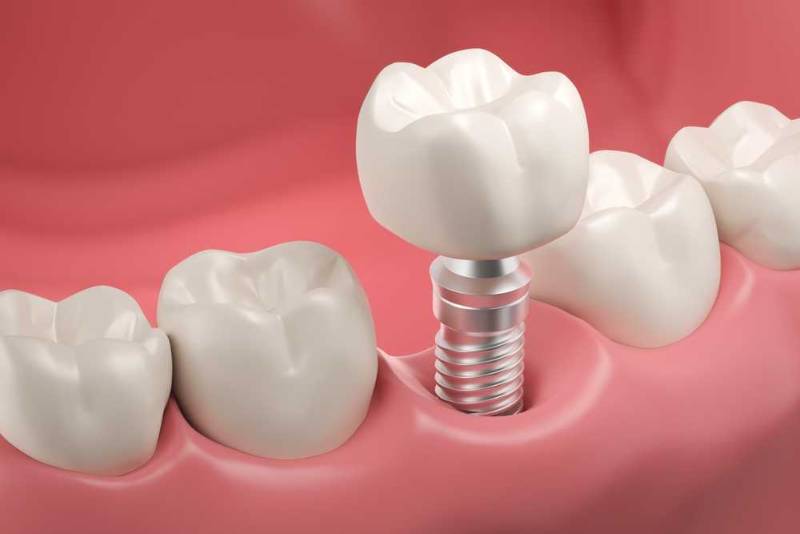
Dental implants are a cosmetic and therapeutic procedure used to restore missing teeth. This is done by inserting metal posts into the jawbone, which act as artificial roots to support fixed or removable prosthetic teeth.
Dental implant technology has become increasingly popular in recent years, providing a more advanced alternative to traditional bridges—which require shaving adjacent teeth—or removable dentures that often lack stability and comfort.
When Are Dental Implants Recommended?
Dental implants are commonly used in cases such as:
- Restoring a natural-looking smile.
- Replacing a missing tooth without affecting neighboring teeth.
- Wanting fixed, long-lasting teeth.
- Replacing all teeth permanently and securely.
However, not everyone is a suitable candidate for dental implants. Ideal candidates:
- Are non-smokers or light smokers.
- Do not suffer from bone-weakening conditions like osteoporosis.
- Do not have uncontrolled chronic diseases like uncontrolled diabetes.
- Do not suffer from advanced gum disease that could affect implant stability.
- Have adequate bone height and volume—especially if the implant is placed shortly after tooth extraction.
What are Advantages of Dental Implants?
Dental implants offer numerous benefits, including:
- Restoring the beauty and alignment of the smile.
- Closing gaps caused by missing teeth.
- Providing a natural appearance—implants look just like real teeth.
- Easier oral hygiene compared to alternatives.
- Preserving adjacent teeth, since no shaving is required.
- Fixed and durable solution with no need for removal.
- Helping maintain jawbone health and prevent bone loss.
- Rust-proof and cavity-resistant.
What are Types of Dental Implants?
Implants vary based on timing and location:
Based on Timing:
- Immediate Implants: Placed immediately after extraction, reducing the need for future interventions.
- Delayed Implants: Placed at a later time after the extraction site has healed.
Based on Location:
- Endosteal Implants: Placed directly into the jawbone—most commonly used.
- Subperiosteal Implants: Placed under the gum but above the bone, used when bone height is insufficient.
- Zygomatic Implants: Anchored in the cheekbone, used when the upper jawbone is inadequate.
What are Dental Implant Procedure?
The procedure typically involves two stages:
1. Implant Placement
- Local anesthesia is administered.
- A surgical flap is made to expose the bone.
- A drill creates a hole to fit the implant.
- The implant is inserted, and the gum is stitched closed.
- Healing takes 2–6 weeks for the bone to integrate with the implant.
2. Abutment Placement
- The gum is reopened to expose the implant.
- A connector (abutment) is attached to the implant.
- The gum is stitched around the abutment, leaving it visible.
- After about two weeks, a crown (prosthetic tooth) is placed.
Some cases may qualify for same-day implants, combining both steps depending on patient condition and preferences.
What are the Immediate Dental Implants?
Immediate implants avoid multiple surgical visits and shorten treatment time. However, certain conditions must be met:
- No active infection at the site.
- Clean, undamaged extraction socket.
- Healthy gums to support suturing.
- Use of minimally traumatic extraction techniques.
What are Laser-Assisted Dental Implants?
Laser technology can now aid in implant procedures:
- Opens the gum without a scalpel.
- Minimizes bleeding for a cleaner surgical site.
- Requires smaller incisions than traditional methods.
What are Risks and Complications?
While generally safe, implants may cause:
Surgical Risks:
- Bleeding, infection, or temporary pain.
- Inflammation or stitch rupture due to poor post-op care.
- Temporary gum or facial swelling (treated with cold compresses).
Implant-Specific Complications:
- Bone loss around implants due to poor hygiene or gum disease.
- Implant fracture or loosening if overloaded or improperly planned.
- Debonding of crowns or abutments.
- Bridge fractures in long-span restorations over too few implants.
Can Implants Fail Over Time?
Implants can last many years with proper planning and care. However, poor oral hygiene or improper planning may lead to implant loosening and failure over time.
What are Post-Implant Care Tips?
- Maintain excellent oral hygiene using proper brushing techniques.
- Visit your dentist every six months for professional cleaning.
- Avoid smoking—it increases gum inflammation.
- Stop harmful habits like teeth grinding.
- Limit consumption of sticky or hard foods.
What is the Cost of Dental Implants?
Costs vary based on:
- Dentist’s experience and reputation.
- Number and type of implants.
- Whether the procedure is staged or done in one session.
- Patient’s oral and overall health.
- Clinic location and facilities.
- Additional tests like X-rays or 3D scans.
What are Alternatives to Dental Implants?
If you’re not eligible for implants or can’t afford them, alternatives include:
- Fixed Bridges: Crowns and bridges supported by nearby teeth (requires trimming).
- Removable Dentures: Partial or complete dentures supported by metal or plastic bases.
- Snap-On Smile: A removable cosmetic appliance for a temporary solution—not suitable for eating or hot drinks.
Final Thoughts
A bright, aligned smile is no longer a distant dream. Dental implants have revolutionized tooth replacement, offering natural appearance, comfort, and long-lasting results. With various types and techniques available, your choice depends on your needs and your dentist’s recommendation. Cost varies by numerous factors, but the confidence gained may be priceless.
If you still need to consult a doctor regarding this condition, you can easily book an appointment through Vezeeta
Related Keywords
Specialized Doctors

Mohamed Elsawy
Specialist in cosmetic dentistry, dental implants, root canal treatment, and fixed prosthodontics

Ahmed Khairy
Specialist in Dental Prosthetics, Implants, and Cosmetic Dentistry

Mohamed gamal
Oral surgery and dentistry specialist
References
American Academy of Implant Dentistry (AAID) . Types of Dental Implants and Techniques
https://www.aaid-implant.org
Mayo Clinic . Dental Implants: Overview, Procedure, and Risks
https://www.mayoclinic.org
Cleveland Clinic . Dental Implants: Types, Procedure & Costs
https://my.clevelandclinic.org
Healthline . Dental Implants: Types, What to Expect, and Cost
https://www.healthline.com
WebMD . Dental Implants: How They Work, Benefits, and Costs
https://www.webmd.com/oral-health/guide/dental-implants
Specialized Doctors
Mohamed Elsawy
Specialist in cosmetic dentistry, dental implants, root canal treatment, and fixed prosthodontics
Ahmed Khairy
Specialist in Dental Prosthetics, Implants, and Cosmetic Dentistry
Mohamed gamal
Oral surgery and dentistry specialist