Types of Dental Fillings and Their Prices
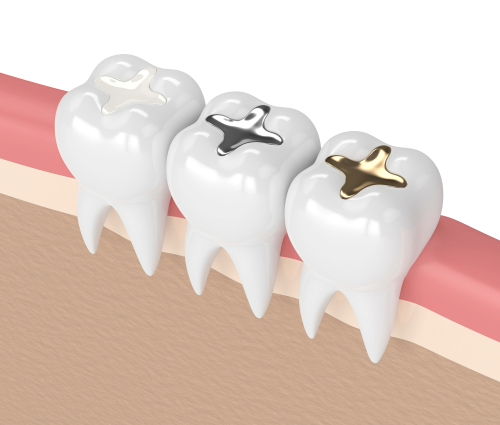
Types of Dental Fillings: Their Benefits, Uses, and Costs
Over the past years, numerous types of dental fillings have been developed, and patients’ preferences have varied. Some individuals prefer fillings that offer strength and durability regardless of appearance, while others prioritize those that provide a natural look.
In this article, we present the most common types of dental fillings to help you make an informed decision, understand the differences between temporary and permanent fillings, and learn about their respective costs.
What Are Dental Fillings?
Dental fillings are materials used by dentists to restore teeth after decay removal. They fill cavities left behind, helping to restore the tooth’s natural shape and prevent food debris buildup—which could otherwise lead to gum inflammation, periodontal disease, and unpleasant mouth odor.
Fillings are divided into:
- Permanent fillings
- Temporary fillings
Each type varies in terms of composition, durability, and color. Fillings are also categorized by location:
- Anterior (front) fillings
- Posterior (back) fillings
Selection depends on patient preferences, the tooth’s condition, and the depth of decay.
Is Dental Filling Painful?
Dental fillings are generally painless. The tooth is numbed with local anesthesia before removing the decayed portion and placing the filling.
However, patients might experience pain:
- Immediately after the procedure when exposed to heat, air, or sugary foods — usually subsiding within a few weeks.
- When biting or chewing, which may indicate the filling is slightly too high and requires adjustment.
- Persistent pain (over 2–4 weeks) may suggest:
- Deep decay reaching the tooth pulp, possibly needing a root canal.
- Sensitivity to filling material, requiring replacement or a protective liner.
- Contact between different filling types (e.g., gold and amalgam), which can cause electrical pain (galvanic shock).
- Poor bonding between filling and tooth, allowing bacteria and food to enter, causing further decay and pain.
Are Dental Fillings Harmful?
Most fillings are safe and biocompatible. However, some may contain potentially harmful components.
For example, amalgam fillings contain mercury, which — if inhaled or ingested over time — may cause adverse health effects.
Permanent vs. Temporary Fillings
- Temporary fillings are used for a short period (days to weeks) and then replaced with permanent ones.
- They’re less durable, wear down quickly, and usually differ in color from natural teeth.
Temporary fillings are used for:
- Between root canal sessions.
- While waiting for lab-prepared indirect fillings.
- Giving the tooth time to heal or reduce inflammation.
- Emergency treatments.
White Fillings vs. Platinum (Amalgam) Fillings
- Platinum/amalgam fillings are metal-based and have long been used for back molars due to their strength — but are unsuitable for front teeth.
- White (composite) fillings match tooth color and have become widely used for both front and back teeth in recent years.
What Types of Temporary Fillings?
Temporary fillings are made from softer materials for easy removal. They come in colors like gray-white, bright white, or pink.
They usually harden when mixed with saliva. Common types include:
- Zinc oxide with eugenol
- Glass ionomer
- Zinc phosphate
What Types of Permanent Fillings?
Permanent fillings include:
- Anterior fillings
- Posterior fillings
They are also classified into:
- Direct fillings: placed and cured directly in the tooth.
- Indirect fillings: made in a dental lab based on the patient’s measurements, then cemented into place.
Anterior (Front) Fillings
These fillings are popular among patients for their natural look and minimal tooth removal. Only the decayed area is removed.
Laser Fillings (Composite Resins)
Made of resin and plastic, applied in layers, and hardened with dental laser in three stages:
- Etching – Acid is applied to roughen the enamel.
- Bonding – A bonding agent penetrates the dentin tubules to secure the filling.
- Filling – Composite is layered and hardened using laser light.
Advantages:
- Strong adhesion due to resin penetration into dentin tubules.
- Minimal healthy tooth removal.
- Natural, aesthetic appearance.
- Used for chips, cracks, wear, or discoloration.
Disadvantages:
- Prone to wear, especially under pressure.
- Higher cost than traditional fillings.
- Takes more time to place.
- Shorter lifespan (up to 5 years).
- May cause tooth sensitivity in some patients.
Glass Ionomer Cosmetic Fillings
Made from acrylic and special glass, and release fluoride to restore minerals and protect teeth from further decay.
Common in children and below the gum line. Modern variants offer longer lifespan and better durability.
Downside: Less wear-resistant than composites — more prone to breakage or erosion.
Ceramic (Porcelain) Fillings
Ideal for anterior teeth due to their high aesthetics and stain resistance.
They can last over 15 years but are brittle and require more tooth structure removal for support and durability.
Posterior (Back) Fillings
Among the first types developed. They are known for their strength and long lifespan.
Silver Fillings (Amalgam)
Still widely used due to ease of application and durability (15–20 years).
Composed of metals like silver, zinc, copper, and mercury.
Drawbacks:
- Silver color is visually unappealing.
- May darken teeth over time.
- Prone to expansion/contraction — may crack the tooth or cause decay.
- Requires removing healthy tooth parts to anchor the filling.
- Mercury content may pose kidney or respiratory risks.
Gold Fillings
One of the oldest materials used in dentistry.
Highly durable (10–15 years) and withstands strong chewing forces.
Disadvantages:
- Doesn’t match tooth color.
- Very costly.
- Requires multiple appointments.
- May cause galvanic shock if in contact with amalgam.
What Is the Best Type of Dental Filling?
The best filling depends on both the patient’s priorities and the tooth’s needs.
- Gold and silver fillings are strong and long-lasting but lack aesthetic appeal.
- Cosmetic fillings meet aesthetic needs but are less durable.
What Latest Advancements in Dental Fillings?
Modern fillings combine strength and beauty, such as:
- Modified composite resins
- Reinforced glass ionomers
- Indirect fillings, lab-made under high heat for better strength and appearance.
What are Dental Filling Prices?
Prices vary by:
- Filling type
- Size of cavity
- Dentist’s skill
- Clinic location and standard
- Brand of material
- Number of affected teeth
- Severity of decay
Most expensive: Gold and porcelain
Mid-range: Composite
Least expensive: Amalgam and glass ionomer
Is Platinum/Amalgam Safe?
Although commonly used, amalgam is not recommended for:
- Pregnant women or those planning pregnancy
- Children under 6
- People with kidney disease or neurological conditions (Alzheimer’s, Parkinson’s)
- Those allergic to mercury or any amalgam component
Conclusion
With ongoing advancements in dental technology, new and improved types of fillings continue to emerge. Speak with your dentist about the best and most recent options that suit your functional and cosmetic needs.
If you still need to consult a doctor regarding this condition, you can easily book an appointment through Vezeeta
Related Keywords



References
Mayo Clinic – Dental fillings: Types and what to expect.
https://www.mayoclinic.org
Cleveland Clinic – Dental Fillings: Types, Materials & What They're For.
https://my.clevelandclinic.org
WebMD – Dental Fillings: Gold, Amalgam, Composite, Ceramic and More.
https://www.webmd.com
American Dental Association (ADA) – Dental Filling Options.
https://www.mouthhealthy.org
Better Health Channel – Dental Fillings: Purpose, Procedure, and Care.
https://www.betterhealth.vic.gov.au