Tooth decay: How does it start and how can we prevent it?
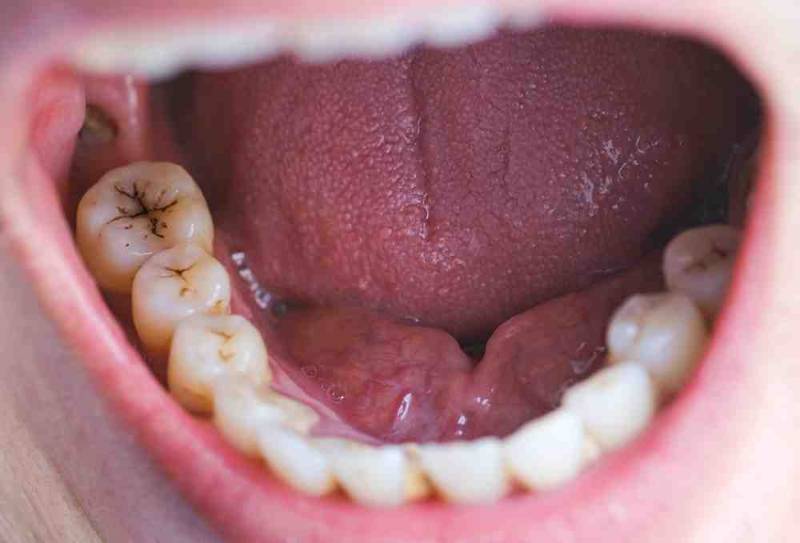
Millions of people around the world suffer from tooth decay in varying degrees. Often, the condition worsens due to a lack of full understanding of the nature of this disease and how to prevent or treat it.
This comprehensive article will help you understand every aspect of tooth decay—from causes to prevention and treatment—because proper awareness is the first step toward effectively managing this common dental issue.
What Is Tooth Decay?
Tooth decay, or dental caries, occurs when cavities form on the surface of the teeth due to the accumulation of bacteria and food debris. In advanced cases, the decay can reach the roots of the tooth.
Decay is classified into different types depending on the affected area and can occur at any age, though it's most common in children.
What is the Tooth Decay in Children?
Baby teeth are more susceptible to decay than permanent teeth due to children's frequent sugar consumption and the difficulty of maintaining proper oral hygiene.
Decay can even begin shortly after teeth erupt—known as "nursing bottle decay"—when milk residue ferments on the baby’s teeth, especially on the front surfaces, leading to cavities.
What Symptoms of Tooth Decay?
In its early stages, decay in the enamel often causes no pain. However, symptoms may appear as the condition progresses:
- Toothache or oral pain
- Visible holes or pits in the teeth
- Bad breath
- Unpleasant taste in the mouth
- Bleeding gums
- Sensitivity to cold, hot, or sweet foods and drinks
- Facial swelling
How to Know If Decay Has Reached the Root?
Deep cavities near the root are a major indicator. The patient may also feel pain while brushing or eating. Increased sensitivity or spontaneous pain could also point to root involvement.
What Types of Tooth Decay?
Teeth have multiple surfaces—front, back, side, and biting (occlusal)—each with different structures. Decay can affect any of these:
- Smooth surface decay: Affects the front, side, or back of the teeth, typically appears in people around their 20s, and progresses slowly, making it easier to manage.
- Pit and fissure decay: Occurs on the chewing surface, where grooves trap food particles, leading to rapid decay.
- Root decay: Caused by gum recession, which exposes the root to bacteria and acid. Plaque buildup can worsen it.
What Causes of Tooth Decay?
Decay results from a chain of events:
- Bacteria feed on carbohydrates and sugars in food, producing acids.
- These acids mix with saliva and food debris to form plaque—a sticky film that clings to teeth.
- If not removed, the acids erode enamel, creating cavities.
Additional risk factors include:
- Gum recession
- Dry mouth (due to medications or health conditions)
- Undergoing radiation therapy
- Frequent consumption of sugary snacks or carbs
- Family history of dental decay
Can Tooth Decay Spread from Tooth to Tooth?
Tooth decay itself isn’t contagious. However, cavities provide an ideal environment for bacteria to thrive and accumulate, increasing the likelihood of nearby teeth developing decay.
Bacteria may also spread from person to person by sharing utensils or kissing.
What Stages of Tooth Decay?
Decay progresses through several stages. The further it develops, the more complex and costly the treatment becomes, and the shorter the tooth’s lifespan.
- Demineralization: Acid begins stripping minerals (especially calcium) from enamel, forming white spots.
- Enamel decay: Once weakened, the enamel begins to erode, leading to visible cavities.
- Dentin decay: The underlying dentin is more sensitive and less dense than enamel, allowing decay to spread faster.
- Pulp involvement: Bacteria reach the pulp (the inner chamber containing nerves and blood vessels), causing pain and inflammation.
- Abscess formation: Untreated pulp infection can spread below the tooth, causing gum swelling and abscesses.
What’s the Most Dangerous Type of Tooth Decay?
Root decay is particularly serious as the root anchors the tooth to the jawbone. It compromises the tooth's stability and function, often requiring extraction and replacement with a prosthetic.
How Is Tooth Decay Diagnosed?
A dentist can detect decay through a clinical exam using dental mirrors and instruments. X-rays may also be taken to assess the depth of decay and condition of the surrounding structures.
What is Tooth Decay Treatment?
Treatment depends on how advanced the decay is. In mild cases, proper oral hygiene may halt its progression. However, you’ll need a dentist to remove and clean out the decayed area.
While you can’t treat cavities at home, these practices may help control decay and reduce discomfort:
- Reduce sugar and carb intake
- Avoid sodas and acidic foods
- Use pain relievers like ibuprofen
- Brush after meals
- Use a saltwater rinse (½ cup water with a pinch of salt) as a mouthwash
Can You Treat Tooth Decay in a Single Day?
Mild cavities can sometimes be treated in one visit using fluoride to remineralize enamel or through dental fillings. More severe cases may require multiple appointments:
- Local anesthesia is applied.
- A dental drill removes decayed tissue.
- The cavity is filled with composite or amalgam.
- If the decay reaches the pulp, a root canal or extraction may be needed.
What are Dangers of Untreated Tooth Decay?
Early treatment can prevent complications like:
- Tooth abscesses
- Facial swelling
- Severe pain
- Tooth loss
- Mouth ulcers from sharp tooth edges
- Bad breath
- Bone loss in the jaw
- Spread of infection to jaw or neck
Can Tooth Decay Lead to Oral Cancer?
Tooth decay itself is not cancerous. However, untreated decay may lead to bacterial infections in the jaw that can cause lesions, which, in rare cases, may become cancerous over time.
Repeated irritation from damaged tooth edges may also contribute to oral cancer in extreme cases.
How to Prevent Tooth Decay?
To protect your teeth from cavities:
- Limit sugar, acid, and carbohydrate intake
- Avoid unverified DIY dental remedies that may roughen enamel
- Eliminate soda from your diet
- Follow proper brushing habits:
- Brush 30 minutes after eating to allow saliva to replenish lost minerals
- Brush from gum to tooth, not the reverse
- Clean between teeth with floss
- Use mouthwash after brushing for added protection
In Conclusion
Now that you have a full understanding of tooth decay and how to handle it wisely, remember that knowledge and prevention are your best defenses. Regular dental check-ups and early intervention will help maintain healthy, cavity-free teeth and a confident smile for years to come.
If you still need to consult a doctor regarding this condition, you can easily book an appointment through Vezeeta
Related Keywords


References
World Health Organization (WHO). Oral Health: Dental Caries Overview
https://www.who.int/news-room/fact-sheets/detail/oral-health
Centers for Disease Control and Prevention (CDC). Tooth Decay (Cavities): Causes and Prevention
https://www.cdc.gov/oralhealth/conditions/toothdecay
American Dental Association (ADA). Tooth Decay: What to Know and How to Prevent It
https://www.ada.org
Cleveland Clinic. Tooth Decay (Dental Caries): Symptoms, Causes & Treatment
https://my.clevelandclinic.org
WebMD. Cavities/Tooth Decay: Symptoms, Causes, Treatment & Prevention
https://www.webmd.com/oral-health/guide/tooth-decay