Tonsillitis: How Can You Prevent Tonsil Infections?
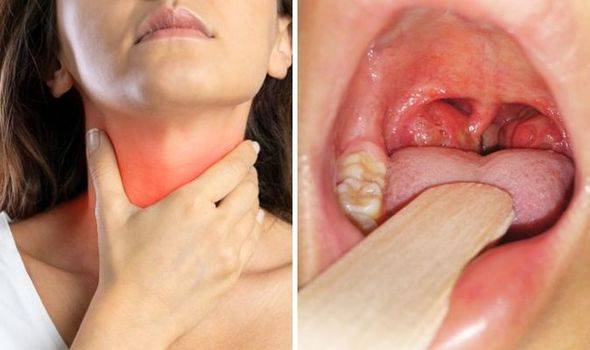
Tonsillitis: Causes, Symptoms, and Treatment
The tonsils play an important role in defending the body and fighting germs and infections that enter the body through the mouth and nose, making them vulnerable to inflammation. Tonsillitis falls under the category of throat infections that cause annoying and uncomfortable symptoms.
In this article, learn about the causes and symptoms of tonsillitis, and discover the best simple solutions that can help treat the inflammation and improve the condition of the throat.
What is Tonsillitis?
Tonsillitis is an infection that affects the tonsils, two oval-shaped tissue masses located at the back of the throat. The tonsils act as filters to prevent germs from entering the airways and produce antibodies to fight infections. However, bacteria and viruses can sometimes overpower the tonsils, causing swelling, inflammation, and many annoying symptoms such as difficulty swallowing, fever, and more.
Tonsillitis is common in children, and it can occur once or repeatedly in a short period of time.
What are Types of Tonsillitis?
Tonsillitis can be divided into three categories based on the duration of the infection:
- Acute Tonsillitis: The symptoms usually last for (3 or 4) days, and sometimes up to two weeks.
- Recurrent Tonsillitis: Often caused by repeated tonsillitis several times a year.
- Chronic Tonsillitis: Occurs when there is a long-term tonsil infection that persists for an extended period.
What are Causes of Tonsillitis?
The most common cause of tonsillitis is viral infections, but it can also be caused by bacterial infections, which can be more dangerous. Viral tonsillitis can result from several viruses, including:
- Influenza virus
- Adenovirus
- Parainfluenza virus
- Enteroviruses
- Epstein-Barr virus
- Herpes simplex virus
- Measles virus
Bacterial tonsillitis is caused by streptococcal bacteria.
What are Symptoms of Tonsillitis?
The main symptoms of tonsillitis in adults include:
- Sore throat
- Difficulty swallowing
- Fever and high temperature
- Swelling and redness of the tonsils
- White spots or pus on the tonsils
- Painful blisters or sores in the throat
- Swollen lymph nodes in the neck
- Headache
- Loss of appetite
- Bad breath
- Hoarseness or roughness in the voice
- Stiff neck
While the symptoms of tonsillitis in children also include:
- Vomiting
- Diarrhea (often linked to pus in the tonsils)
- Drooling
- Loss of appetite
- Difficulty swallowing food
How is Tonsillitis Diagnosed?
The diagnosis begins with a physical examination of the throat and tonsils to check for redness, swelling, or pus. It's also important to examine the ears, nose, and neck for swollen lymph nodes.
Additional tests may include:
- Throat Swab: To check for streptococcal bacteria, and results are usually ready within 10-15 minutes. Negative results suggest a viral infection.
- Blood Test: A complete blood count (CBC) to check for elevated white blood cell counts in the case of an infection and to determine if the cause is viral or bacterial.
- Rash: A rash may indicate throat infection.
What are Complications of Tonsillitis?
Tonsillitis can lead to complications in adults, especially if bacterial infections are not treated appropriately. Potential complications include:
- Sleep apnea
- Abscess formation on the tonsils
- Scarlet fever
- Tonsillar cellulitis
- Joint pain and inflammation (associated with bacterial infection)
- Rheumatic fever
- Kidney inflammation
- Diphtheria (characterized by a white membrane on the tonsils)
What is the Treatment of Tonsillitis?
The treatment of tonsillitis depends on the cause. While the symptoms of viral and bacterial tonsillitis may seem similar, their treatments differ. Treatment for tonsil infections may include:
- Antibiotics: Used to treat bacterial infections, such as penicillin, clindamycin, and cephalosporins.
- Pain Relievers: Such as ibuprofen and acetaminophen to help alleviate throat pain.
- Tonsillectomy (Tonsil Removal Surgery): Doctors may recommend surgery for chronic or recurrent tonsillitis.
Are There Risks in Removing Tonsils in Children?
Like any surgery, tonsil removal comes with certain risks. In children, special consideration must be given to growth and development, as the tonsils play a role in protecting the body from infections and germs. Some potential issues after the surgery include:
- Difficulty eating and drinking during the first few days after surgery, though recovery is usually quick.
- Pain and inflammation at the surgical site, which can be relieved with pain medications and rest.
- In rare cases, scar tissue may form in the area near the throat.
What are Home Remedies for Tonsillitis?
It's important to know how to treat tonsillitis naturally and manage inflammation to alleviate symptoms. Some home remedies include:
- Drinking warm fluids
- Staying hydrated by drinking plenty of water
- Gargling with salt water
- Rest and relaxation
- Using lozenges or throat tablets
- Eating soft foods that are easy to swallow
- Avoiding smoking
- Using a humidifier in the home
How to Prevent Tonsillitis?
Since viruses and bacteria are the primary causes of tonsillitis and pus formation in the tonsils, good prevention practices can help avoid tonsillitis. Preventive measures include:
- Washing hands thoroughly and frequently before eating
- Washing hands after using the bathroom
- Avoiding sharing food and drink utensils with infected individuals
- Not sharing personal items, such as toothbrushes
- Keeping children at home if they feel unwell
What are the Difference Between Sore Throat and Tonsillitis?
While both sore throat and tonsillitis can result from the same type of bacteria, they are different:
- Tonsillitis is characterized by pus on the tonsils and a rash.
- Sore throat is characterized by redness in the back of the throat and flu-like symptoms.
- Both viral tonsillitis and sore throat can be treated with pain relievers and fever reducers.
- Both bacterial infections can be treated with antibiotics.
- If untreated, both can lead to complications.
When is Tonsillitis Dangerous in Adults?
Tonsillitis can become dangerous in adults in certain cases. Here are signs that require urgent attention:
- Difficulty breathing: Tonsillitis can severely block the airway. Seek immediate medical care if you have trouble breathing.
- Severe swelling and pain: If the tonsils become greatly swollen and painful, it may indicate a serious infection requiring medical attention.
- Swelling of the face or neck and neck stiffness: These may indicate a severe form of tonsillitis.
- High fever: If accompanied by other severe symptoms such as a headache, chills, or extreme fatigue, it could indicate a dangerous infection.
Conclusion
Tonsillitis is a common condition that causes discomfort, but with proper diagnosis and treatment, recovery is possible. If you experience similar symptoms or suspect you have tonsillitis, it's best to consult a doctor for evaluation and appropriate treatment.
If you still need to consult a doctor regarding this condition, you can easily book an appointment through Vezeeta
Related Keywords



References
Mayo Clinic – Tonsillitis
https://www.mayoclinic.org/diseases-conditions/tonsillitis
Cleveland Clinic – Tonsillitis: Symptoms, Causes & Treatment
https://my.clevelandclinic.org/health/diseases/15602-tonsillitis
NHS – Tonsillitis
https://www.nhs.uk/conditions/tonsillitis
Centers for Disease Control and Prevention (CDC) – Sore Throat
https://www.cdc.gov/groupastrep/diseases-public/strep-throat.html
Johns Hopkins Medicine – Tonsillitis
https://www.hopkinsmedicine.org/health/conditions-and-diseases/tonsillitis