The road to your dream body: Everything you need to know about liposuction surgery
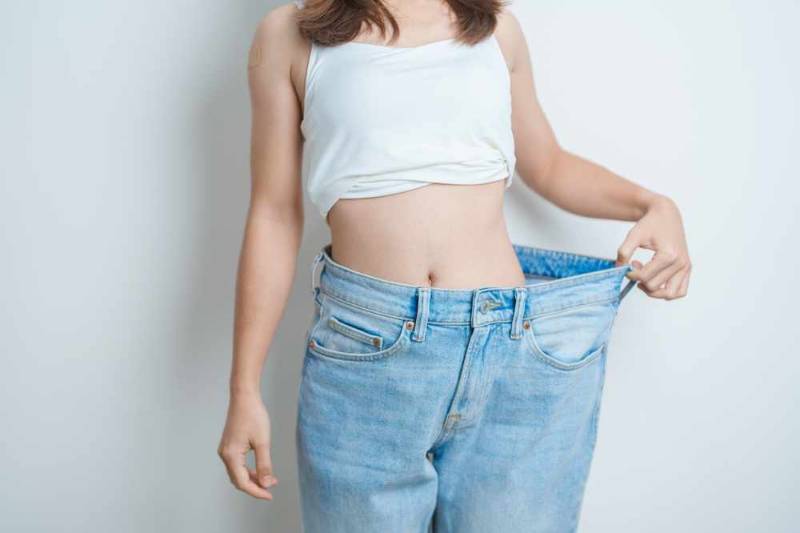
In today’s appearance-driven world, liposuction has become one of the most in-demand cosmetic procedures globally—a highly appealing option for those seeking to enhance their body shape.
Discover how liposuction works, the benefits and risks involved, and how much weight (if any) you can expect to lose after the procedure.
What Is Liposuction?
Liposuction is a popular cosmetic surgery that accounts for about 15–20% of aesthetic procedures worldwide. It is designed to remove stubborn fat deposits that do not respond to diet or exercise.
It is not considered a weight-loss procedure but a body contouring technique that targets specific fat-prone areas.
What Is the Right Age for Liposuction?
Liposuction can be performed at nearly any age, but caution is advised in patients over 65, as skin tends to lose its elasticity, increasing the chance of loose or sagging skin post-surgery.
Who Is a Good Candidate for Liposuction?
You may be a suitable candidate if you:
- Are at or slightly above your ideal weight
- Are in good overall health
- Don’t smoke
- Have firm, elastic skin
- Have localized fat deposits in specific body areas
You may not qualify if you:
- Are significantly overweight or underweight
- Have sagging or inelastic skin
- Have serious health conditions that affect healing
- Need significant skin tightening (which may require combining liposuction with skin excision procedures)
What Areas Can Be Treated with Liposuction?
Liposuction is used to sculpt and refine various body areas, including:
- Thighs
- Abdomen and waist
- Back
- Buttocks
- Breasts
- Face, cheeks, and neck
- Under the chin (double chin)
- Knees
- Arms
It is also commonly performed on men, for example, in treating gynecomastia (enlarged male breasts).
When Is Liposuction Recommended?
- Failure to achieve fat loss through traditional methods
- Desire for more defined body contours
- Targeted removal of fat that won’t go away with exercise
Are Liposuction Results Permanent?
Yes, the fat cells removed during the procedure are permanently eliminated.
However, if the patient gains weight afterward, new fat may accumulate elsewhere in the body.
Liposuction Techniques
1. Tumescent (Water-assisted) Liposuction
A saline solution with epinephrine and local anesthetic is injected to loosen fat, reduce bleeding, and ease extraction.
2. Laser Liposuction
A laser fiber inserted via a small incision liquefies fat before removal. Some newer techniques use external lasers for non-surgical fat reduction.
3. Ultrasound-Assisted Liposuction (UAL)
High-frequency sound waves break down fat cells, making them easier to remove—especially useful in fibrous areas like the male chest or upper back.
4. Power-Assisted Liposuction (PAL)
A vibrating cannula moves back and forth rapidly to dislodge fat.
5. VASER Liposuction
An advanced ultrasound technique that selectively targets fat without harming nearby tissue—used for precision body sculpting.
6. Cryolipolysis (Fat Freezing)
A non-surgical option where fat cells are frozen and naturally eliminated by the body.
What are the Prepartion for Liposuction?
The procedure can be performed in a clinic or hospital. Pre-surgical requirements may include:
- Medical tests and blood work
- Quitting smoking (to promote healing)
- Stopping certain medications that increase bleeding risk
- Arranging for someone to accompany you post-surgery
- Discussing important questions with your doctor, such as:
- When can I return to daily activities?
- When can I shower?
- Will I need compression garments?
- How long is the recovery period?
- Will drainage tubes be used?
How Long Does Liposuction Take?
Procedure duration depends on:
- Technique used
- Number and size of treatment areas
- Whether local, general, or intravenous anesthesia is used
Some cases may take less than an hour, while others may take several hours.
What is the Recovery Timeline?
Recovery varies depending on the treated area and overall health. Compression garments are often recommended to reduce swelling and support healing.
Typical Recovery Phases:
- Week 1: Swelling and discomfort, manageable with medication and rest
- Weeks 2–3: Pain and bruising decrease; normal activities may resume with caution
- Weeks 4–5: Swelling continues to improve, bruises fade
- Week 6: Light physical activity is usually allowed
When Will You See Results?
Results are not immediate due to post-op swelling. Visible improvements begin as swelling subsides over several weeks, with final results usually apparent within 3–6 months.
How Much Weight Do You Lose?
Liposuction is not a weight-loss surgery. It removes a limited volume of fat and is best for refining body contours, not for significant weight reduction.
What is the Cost of Liposuction in Egypt?
Prices vary based on:
- Surgeon’s expertise and credentials
- Clinic or hospital location and reputation
- Type of anesthesia
- Number of areas treated
- Surgical technique (e.g., VASER, laser, tumescent)
- Required medical tests and post-op care
Note: Liposuction is considered cosmetic and typically not covered by insurance. Free or subsidized procedures are rare.
What are Side Effects and Risks?
Short-term side effects may include:
- Swelling and bruising
- Pain or tenderness
- Skin discoloration
- Temporary fluid retention
Potential complications:
- Infection
- Scarring
- Uneven fat removal
- Skin burns (e.g., from ultrasound devices)
- Damage to deep structures (nerves, muscles, blood vessels)
- Poor wound healing
- Loose or sagging skin
- Development of cellulite or dimpling
Why Can Liposuction Be Risky?
Stubborn fat may be located close to vital organs or blood vessels, posing potential danger if not handled by an experienced surgeon.
That’s why it's essential to choose a qualified specialist with a strong record in body contouring procedures.
Final Thought
Liposuction can dramatically reshape your body, but it's important to understand the procedure, risks, and realistic expectations.
Always consult with a board-certified plastic surgeon, ask all necessary questions, and choose a safe, reputable clinic.
Remember, true beauty starts from within—so embrace your journey toward confidence and well-being, whether or not you choose surgery.
If you still need to consult a doctor regarding this condition, you can easily book an appointment through Vezeeta
Related Keywords
Specialized Doctors

Ayman Mandour
Consultant of obesity and laparoscopic surgery

Ashraf Abdelkader
Professor and Consultant of General Surgery, Obesity and Oncology, Faculty of Medicine, Benha University.

Hossam Amir
Consultant and Lecturer of General Surgery at the College of Medicine/Consultant in Laparoscopic, Obesity and Oncology Surgery/Fellow of the American College of Surgeons
References
American Society of Plastic Surgeons (ASPS) – Liposuction.
https://www.plasticsurgery.org/cosmetic-procedures/liposuction
Mayo Clinic – Liposuction.
https://www.mayoclinic.org/tests-procedures/liposuction
Cleveland Clinic – Liposuction: What It Is, Procedure, Recovery & Risks.
https://my.clevelandclinic.org/health/treatments/11064-liposuction
Johns Hopkins Medicine – Liposuction.
https://www.hopkinsmedicine.org/health/treatment-tests-and-therapies/liposuction
U.S. Food and Drug Administration (FDA) – Medical Devices Used in Liposuction.
https://www.fda.gov/medical-devices/cosmetic-devices/medical-devices-used-liposuction
National Center for Biotechnology Information (NCBI) – Liposuction: Techniques and Safety Considerations.
https://www.ncbi.nlm.nih.gov/pmc/articles/PMC2884880/
Specialized Doctors
Ayman Mandour
Consultant of obesity and laparoscopic surgery
Ashraf Abdelkader
Professor and Consultant of General Surgery, Obesity and Oncology, Faculty of Medicine, Benha University.
Hossam Amir
Consultant and Lecturer of General Surgery at the College of Medicine/Consultant in Laparoscopic, Obesity and Oncology Surgery/Fellow of the American College of Surgeons