

Tavacin 500mg/100ml Vial: Uses, Side Effects, Dose, and Price
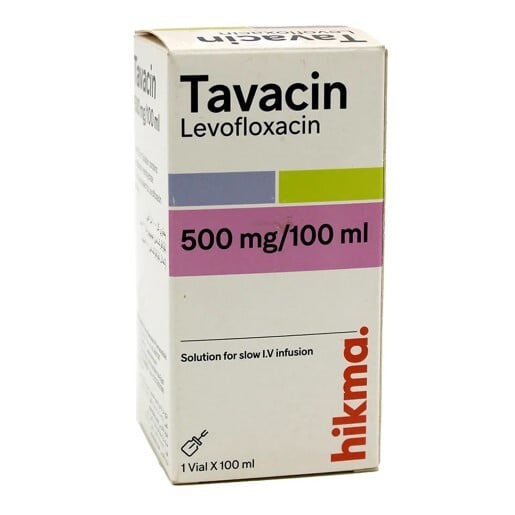
What is Tavacin and what does it contain
Tavacin 500mg/100ml vial is a prescription antibiotic for intravenous infusion. Each 100 ml vial contains levofloxacin 500 mg, an antibacterial medicine from the fluoroquinolone class.
Levofloxacin works by blocking bacterial enzymes needed for DNA replication and repair. This helps stop susceptible bacteria from multiplying so the immune system can clear the infection. Tavacin does not treat viral illnesses such as colds, influenza, or most uncomplicated sore throats.
Tavacin 500 and Tavacin 750 refer to different strengths of the same active ingredient. Tavacin may be available as tablets and as an IV vial. The vial is usually chosen when intravenous treatment is needed, when the patient cannot take oral medicine, or when the doctor decides that supervised infusion is more appropriate.
What is Tavacin used for
Tavacin may be prescribed for selected bacterial infections when levofloxacin is likely to be effective. Uses may include pneumonia, acute bacterial sinusitis, bacterial worsening of chronic bronchitis, complicated urinary tract infections, kidney infection, bacterial prostatitis, some skin and soft tissue infections, and certain gastrointestinal or resistant infections when clinically appropriate.
Antibiotic choice depends on the infection site, severity, kidney function, allergy history, previous antibiotic use, culture results when available, and local resistance patterns. Do not use Tavacin just because symptoms resemble a previous infection. If you have fever, chest symptoms, painful urination, recurrent infection, or severe throat symptoms, you can book an internal medicine consultation through Vezeeta to assess whether an antibiotic is needed and which option is safest.
Tavacin may help a throat infection only when the cause is bacterial and levofloxacin is an appropriate option. Many sore throats are viral and do not need antibiotics.
Tavacin dosage and how to use it
The doctor determines the dose, route, and treatment duration according to the infection type, severity, kidney function, age, weight, culture results, other medicines, and clinical response. Tavacin vial is given by slow intravenous infusion by a healthcare professional. It must not be injected rapidly or given as a direct IV bolus.
Do not start, repeat, or extend Tavacin without medical advice. Use it exactly as prescribed. If serious symptoms such as tendon pain, severe allergy, severe diarrhea, confusion, seizures, or nerve symptoms occur, seek urgent medical advice immediately.
Because the vial is given intravenously, meals do not directly affect administration. Tavacin tablets may usually be taken with or without food, but mineral-containing products can reduce absorption. Antacids, iron, zinc, magnesium, aluminum, calcium supplements, multivitamins, and sucralfate should be separated from oral levofloxacin as instructed by the doctor or pharmacist.
If a supervised infusion dose is missed, contact the treating team. Do not double the next dose or change the schedule yourself.
How long does Tavacin take to work
Levofloxacin begins acting against susceptible bacteria after it reaches effective blood levels, but symptom improvement may take time. Many patients start to feel better within a few days, depending on the infection, severity, immune status, and whether the bacteria are sensitive to the medicine.
Contact your doctor if symptoms worsen, fever persists, breathing becomes difficult, urinary symptoms progress, diarrhea becomes severe, or improvement does not occur within the period expected by your doctor. Lack of response may mean the infection is resistant, viral, complicated, or needs a different treatment plan.
What are the side effects of Tavacin
Common side effects may include nausea, diarrhea, constipation, abdominal discomfort, headache, dizziness, insomnia, rash, itching, and irritation or discomfort at the infusion site. Some people may notice changes in appetite or taste.
Serious side effects are less common but important. They include tendon inflammation or rupture, nerve pain or numbness, mood changes, hallucinations, confusion, seizures, severe allergic reaction, severe skin rash, liver inflammation, abnormal heart rhythm, blood sugar changes, and severe watery or bloody diarrhea that may suggest antibiotic-associated colitis.
Get urgent medical help if you develop swelling of the face or throat, breathing difficulty, fainting, severe rash, yellowing of the skin or eyes, severe diarrhea, chest palpitations, confusion, hallucinations, seizures, sudden tendon pain, muscle weakness, numbness, burning pain, or symptoms of very low blood sugar.
Contraindications and precautions
Do not use Tavacin if you are allergic to levofloxacin, any quinolone or fluoroquinolone antibiotic, or any component of the product. Do not use it again if you previously had a serious reaction to a fluoroquinolone unless a specialist clearly decides otherwise.
Use Tavacin with caution in people with kidney disease, seizure disorders, previous tendon problems, older adults, people taking corticosteroids, transplant recipients, diabetes, low potassium, heart rhythm disorders, prolonged QT interval, liver disease, G6PD deficiency, or a history of peripheral neuropathy. Levofloxacin can worsen myasthenia gravis and should be avoided in patients with a known history of this condition unless a specialist determines that the benefit outweighs the risk.
Children and adolescents should not receive levofloxacin routinely because of musculoskeletal safety concerns, except in selected serious situations decided by a specialist.
Tavacin drug interactions
Tell your doctor about all medicines and supplements you use. Important interactions include warfarin and other anticoagulants, diabetes medicines, corticosteroids, antiarrhythmics, antipsychotics, some antidepressants, nonsteroidal anti-inflammatory drugs, theophylline, cimetidine, probenecid, and medicines that prolong the QT interval.
For oral forms, antacids and supplements containing magnesium, aluminum, iron, zinc, or calcium can reduce absorption. For the IV vial, healthcare professionals avoid mixing levofloxacin with incompatible solutions or other medicines in the same line unless compatibility is confirmed.
Tavacin during pregnancy and breastfeeding
During pregnancy, Tavacin should be used only when the doctor believes the expected benefit justifies the potential risk and when safer suitable alternatives are not appropriate. Pregnant patients should not receive levofloxacin without direct medical advice.
During breastfeeding, the doctor weighs the mother’s need for treatment against possible effects on the infant. The plan may include choosing another antibiotic, monitoring the baby, or giving temporary feeding instructions.
Can Tavacin be taken every day and long term
Tavacin may be prescribed daily for a limited antibiotic course, but it is not a general long-term medicine. Some infections require longer courses, but this should happen only under medical supervision and reassessment.
Do not use leftover Tavacin for a new infection, and do not repeat it for urinary, chest, sinus, or throat symptoms without examination. Unnecessary or repeated use can increase antibiotic resistance, fungal overgrowth, diarrhea, tendon problems, nerve symptoms, and other serious risks.
What are the alternatives to Tavacin
Alternatives depend on the infection and culture results. They may include antibiotics from other classes such as penicillins with beta-lactamase inhibitors, cephalosporins, macrolides, doxycycline, nitrofurantoin for selected urinary infections, or another fluoroquinolone when appropriate.
There is no single best substitute for Tavacin 500 or Tavacin 750. The safest alternative is the one that matches the infection, allergies, kidney function, pregnancy status, other medicines, and resistance pattern.
Tavacin price in Egypt
The price of Tavacin 500mg/100ml vial in Egypt may change according to availability, pharmacy updates, and official pricing changes. Check the live price and availability on the verified Vezeeta product page: Tavacin 500mg/100ml Vial.
Prices for Tavacin 500 tablets and Tavacin 750 tablets are not the same as the injectable vial, so compare the same dosage form, strength, and pack size.
Frequently asked questions
What is Tavacin 500?
Tavacin 500 is a levofloxacin antibiotic product. The 500mg/100ml vial is an intravenous form used under medical supervision for selected bacterial infections.
What are the uses of Tavacin 500?
It may be used for certain bacterial respiratory, urinary, kidney, prostate, skin, and other infections when levofloxacin is appropriate.
Is Tavacin an antibiotic?
Yes. Tavacin is a fluoroquinolone antibiotic. It treats bacterial infections only and does not work for viral infections.
What are the harms of Tavacin?
Possible harms include stomach upset, diarrhea, headache, dizziness, insomnia, rash, tendon injury, nerve symptoms, heart rhythm changes, blood sugar changes, allergy, and severe diarrhea.
Is Tavacin taken after food?
The vial is given intravenously, so food timing is not relevant. Tavacin tablets may be taken with or without food, but mineral supplements and antacids need timing separation.
Does Tavacin treat sore throat?
Only some bacterial throat infections need antibiotics, and Tavacin is not automatically the first choice. A doctor should confirm the need.
When does Tavacin start working?
It starts acting after reaching effective levels, but noticeable symptom improvement often takes a few days depending on the infection.
What is Tavacin 750 used for?
Tavacin 750 is a higher strength of levofloxacin used for selected infections when prescribed by a doctor. Do not substitute it for 500mg without advice.
How much is Tavacin 500 in Egypt?
The current price may change. Check the live price on Vezeeta and confirm the dosage form because tablets and vials differ.
Can I stop Tavacin when I feel better?
Do not stop early unless your doctor tells you to. Early stopping can allow the infection to return or become harder to treat.
Medical disclaimer
This article is for general medical information only and does not replace examination, diagnosis, or treatment by a qualified healthcare professional. Do not start, stop, or change any medicine without consulting your doctor or pharmacist.
Specialized Doctors



References
- https://www.drugs.com/pro/levofloxacin.html
- https://www.drugs.com/pro/levofloxacin-tablets.html
- https://www.drugs.com/levofloxacin.html
Specialized Doctors


