

Tavacin 500 and 750 mg tablets: uses, side effects, dosage, and price
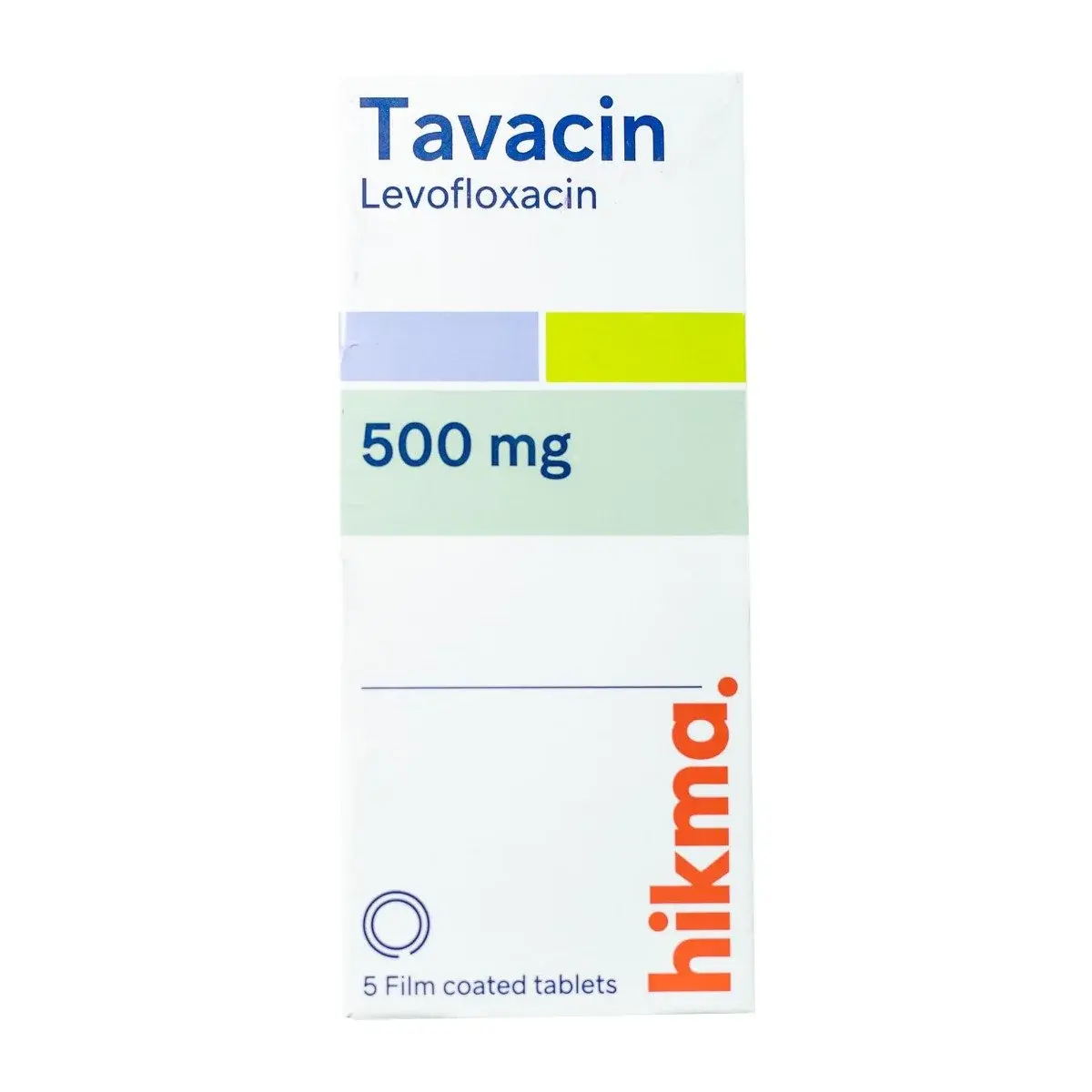
What is Tavacin and what does it contain
Tavacin is a brand of levofloxacin, an antibacterial medicine from the fluoroquinolone class. Levofloxacin works by blocking bacterial enzymes needed for DNA replication and repair, which helps stop susceptible bacteria from multiplying.
Vezeeta Pharmacy lists Tavacin 500 mg 5 tablets and Tavacin 750 mg 5 tablets. Both contain the same active ingredient; the difference is the amount of levofloxacin in each tablet. Tavacin 500 and Tavacin 750 are not interchangeable without medical advice.
What is Tavacin used for
Tavacin may be prescribed for bacterial infections such as acute bacterial sinusitis, community-acquired pneumonia, complicated urinary tract infection, kidney infection, chronic bacterial prostatitis, some skin infections, and certain gastrointestinal infections. It may also be used in specific exposure-related infections such as anthrax or plague when clinically indicated.
Because fluoroquinolones can cause serious side effects, doctors usually reserve them for situations where the expected benefit is greater than the risk, particularly when safer antibiotics are not suitable. If symptoms involve the throat, tonsils, ear, nose, or sinuses, an ENT assessment can help confirm whether an antibiotic is needed. You can consult Vezeeta ENT doctors for suitable evaluation.
Tavacin does not treat viral colds, influenza, or most viral sore throats. Taking it “just in case” may delay the correct diagnosis and increase the risk of resistant bacteria, diarrhea, tendon injury, nerve symptoms, or other adverse effects.
Tavacin dosage and how to use it
Use Tavacin exactly as prescribed. The treating doctor determines the dose, strength, and treatment duration according to the diagnosis, infection severity, kidney function, age, other medicines, allergy history, and culture results when available. Do not start Tavacin from an old prescription and do not share it with another person.
Swallow the tablet with water. Maintain good hydration unless your doctor has advised fluid restriction. Complete the prescribed course unless your doctor changes the plan because of side effects, test results, or a different diagnosis.
Before or after food
Tavacin tablets may generally be taken with or without food. However, minerals can reduce levofloxacin absorption. Separate Tavacin from antacids containing magnesium or aluminum, sucralfate, iron, zinc, and some multivitamins as directed by your doctor or pharmacist.
Missed dose
If you miss a dose, follow the instructions on your prescription or ask your pharmacist. Do not take two doses together to make up for a missed dose.
How long does Tavacin take to work
Tavacin starts acting after absorption, but symptom improvement depends on the infection type, severity, and the patient’s general condition. Some people feel better within a few days, while pneumonia, kidney infection, or prostate infection may need longer follow-up.
Contact your doctor if fever, pain, cough, breathing symptoms, urinary symptoms, or general condition do not improve as expected, or if symptoms worsen at any time. Early improvement does not always mean the infection has fully cleared.
What are the side effects of Tavacin
Common side effects may include nausea, diarrhea, constipation, abdominal discomfort, headache, dizziness, trouble sleeping, loss of appetite, rash, itching, and sensitivity to sunlight.
Serious side effects are less common but important. Levofloxacin may cause tendon inflammation or rupture, nerve symptoms such as burning, tingling, numbness or weakness, severe mood or behavior changes, seizures, blood sugar changes, liver injury, severe diarrhea, abnormal heartbeat, severe allergic reactions, and rare aortic complications.
Seek urgent medical help if you develop swelling of the face or throat, difficulty breathing, severe rash or blistering, sudden tendon pain or swelling, severe watery or bloody diarrhea, fainting, irregular heartbeat, seizures, severe confusion, hallucinations, suicidal thoughts, yellow skin or eyes, or severe constant chest, stomach, or back pain.
Contraindications and precautions
Do not use Tavacin if you are allergic to levofloxacin or to other quinolone or fluoroquinolone antibiotics such as ciprofloxacin, moxifloxacin, or ofloxacin.
Use Tavacin only after medical assessment if you have a history of tendon problems, peripheral neuropathy, seizures, epilepsy, mental health disorders, kidney disease, liver disease, diabetes, long QT syndrome, low potassium, heart rhythm problems, aortic aneurysm or vascular disease, high blood pressure, connective tissue disorders, organ transplant, G6PD deficiency, or myasthenia gravis. Fluoroquinolones should generally be avoided in people with myasthenia gravis unless the doctor decides there is no suitable alternative.
Children and adolescents should use levofloxacin only when a specialist decides the benefit outweighs the risk, because joint and tendon effects are a concern.
Tavacin drug interactions
Tell your doctor and pharmacist about all medicines and supplements you take. Important interactions include antacids, sucralfate, iron, zinc, magnesium, aluminum-containing products, multivitamins, didanosine products, warfarin, insulin or oral diabetes medicines, corticosteroids such as prednisone, heart rhythm medicines, theophylline, diuretics, antidepressants, antipsychotics, and NSAIDs such as ibuprofen or naproxen.
Some interactions reduce Tavacin absorption, while others increase the risk of bleeding, blood sugar disturbances, tendon injury, seizures, or QT prolongation. Do not add over-the-counter medicines without checking first.
Tavacin during pregnancy and breastfeeding
If you are pregnant, planning pregnancy, or breastfeeding, do not use Tavacin unless a doctor specifically prescribes it after weighing benefits and risks. In many common infections during pregnancy, other antibiotics are preferred when suitable.
Levofloxacin can pass into breast milk. The doctor may recommend another antibiotic, temporary breastfeeding interruption, or infant monitoring depending on the infection, dose, duration, and infant factors.
Can Tavacin be taken every day and long term
Tavacin is usually a time-limited antibiotic course, not a daily long-term medicine for general use. Prolonged or repeated use increases the risk of resistant bacteria, fungal overgrowth, diarrhea, tendon injury, nerve symptoms, and other serious adverse effects.
The treating doctor determines whether treatment should continue, change, or stop. Do not extend the course because symptoms are still present, and do not stop early because you feel better unless your doctor instructs you.
What are the alternatives to Tavacin
Alternatives depend on the infection and bacterial sensitivity. They may include amoxicillin/clavulanate, azithromycin, cefuroxime, cefixime, doxycycline, ciprofloxacin, moxifloxacin, nitrofurantoin, trimethoprim/sulfamethoxazole, or other antibiotics. These are not direct substitutes in every case.
The best alternative is chosen after assessing the infection site, allergy history, kidney function, pregnancy status, local resistance patterns, previous antibiotic use, and culture results when available.
Tavacin price in Egypt
The price of Tavacin 500 or Tavacin 750 in Egypt may change according to availability and pharmacy updates. For the current price, check the verified Vezeeta product pages for Tavacin 500 mg and Tavacin 750 mg. Antibiotics should be used only with a valid prescription.
Frequently asked questions
What is Tavacin 500?
Tavacin 500 is a tablet containing 500 mg levofloxacin, a fluoroquinolone antibiotic used for selected bacterial infections when prescribed by a doctor.
What is Tavacin 750?
Tavacin 750 contains 750 mg levofloxacin per tablet. It is a higher strength and should be used only when prescribed.
What are the uses of Tavacin 500?
It may be prescribed for certain bacterial sinus, chest, urinary, prostate, skin, or gastrointestinal infections, depending on the diagnosis.
Does Tavacin treat sore throat?
Not usually. Most sore throats are viral. Tavacin should be considered only if a doctor confirms or strongly suspects a bacterial infection that needs it.
Is Tavacin an antibiotic?
Yes. Tavacin is an antibiotic containing levofloxacin and does not treat viral infections.
What are the harms of Tavacin?
Possible harms include stomach upset, diarrhea, headache, dizziness, insomnia, rash, sun sensitivity, tendon injury, nerve symptoms, blood sugar changes, heart rhythm problems, severe allergy, and rare aortic complications.
Should Tavacin be taken after food?
It may be taken with or without food, but it should be separated from mineral supplements and antacids as advised by a pharmacist.
When does Tavacin start working?
It starts working after absorption, but noticeable improvement may take a few days. Contact your doctor if symptoms worsen or fail to improve.
Can Tavacin cause sleepiness?
It may cause dizziness or reduced alertness in some people. Avoid driving or hazardous tasks until you know how it affects you.
How much is Tavacin 500?
The price may change. Check the current price on the Tavacin 500 page on Vezeeta Pharmacy or ask a licensed pharmacist.
Can I stop Tavacin when I feel better?
Do not change the prescribed course on your own. Early stopping may allow the infection to return or contribute to antibiotic resistance.
Medical disclaimer
This article is for medical information only and does not replace a doctor’s consultation, diagnosis, or prescription. Always consult a qualified healthcare professional before starting, stopping, or changing any medicine.
Specialized Doctors

محمود ربيع
اخصائي جراحة الانف و الاذن و الحنجرة

أحمد سلامة عبدالمجيد
أستاذ الأنف و الأذن و الحنجرة م كلية الطب جامعة المنصورة ، دكتوراة جراحات الأنف و الأذن و الحنجرة و الرأس و الرقبة .

أحمد الجندى
استشاري جراحات الأنف والأذن والحنجرة
References
- https://www.drugs.com/levofloxacin.html
- https://www.drugs.com/pro/levofloxacin.html
Specialized Doctors
محمود ربيع
اخصائي جراحة الانف و الاذن و الحنجرة
أحمد سلامة عبدالمجيد
أستاذ الأنف و الأذن و الحنجرة م كلية الطب جامعة المنصورة ، دكتوراة جراحات الأنف و الأذن و الحنجرة و الرأس و الرقبة .
أحمد الجندى
استشاري جراحات الأنف والأذن والحنجرة


