

Targofloxin 750 mg tablets: uses, side effects and precautions
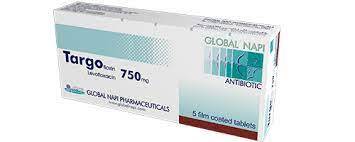
What is Targofloxin and what does it contain
Targofloxin 750 mg tablets are film-coated antibiotic tablets. Each tablet contains levofloxacin 750 mg. Levofloxacin belongs to the quinolone and fluoroquinolone antibiotic class. It works by blocking bacterial enzymes needed for DNA replication and repair, which helps stop the growth of susceptible bacteria.
Targofloxin is not a painkiller, fever reducer, or antiviral medicine. It should not be used simply because a person has fever, cough, sore throat, or urinary discomfort. The diagnosis, likely bacteria, allergy history, kidney function, and other medicines all matter before choosing this antibiotic.
What is Targofloxin used for
Targofloxin may be prescribed for certain bacterial infections, including pneumonia, acute bacterial sinusitis, complicated urinary tract infection, kidney infection, bacterial prostatitis, some skin and soft tissue infections, and selected gastrointestinal infections such as salmonella or shigella. It may also be used by specialists in specific resistant infections when levofloxacin is appropriate.
Fluoroquinolone antibiotics have important safety warnings, so they are often reserved for situations where the doctor considers them necessary or where safer options are not suitable. If you are unsure whether your symptoms need an antibiotic, you can consult an Internal Medicine doctor through Vezeeta for assessment and treatment planning.
Searches for “Targo 750” often refer to Targofloxin 750 mg or another levofloxacin 750 mg product. The active ingredient and medical indication are more important than the shortened brand name.
Targofloxin dosage and how to use it
The treating doctor determines the appropriate dose and treatment duration according to the infection type, severity, kidney function, age, other medicines, and response to treatment. Do not start Targofloxin from an old prescription, share it with another person, or use it for a new illness without medical advice.
Swallow the tablet with water. Keep adequate fluid intake unless your doctor has advised fluid restriction. Take it at the time recommended in your prescription. Do not take it close to antacids, sucralfate, iron, zinc, magnesium, calcium supplements, or multivitamins containing minerals, because these products can reduce levofloxacin absorption. Ask your pharmacist about the correct spacing.
Before or after food
Targofloxin tablets can generally be taken with or without food. If it upsets your stomach, taking it with a light meal may help. However, do not take the dose with milk, yogurt, or calcium-fortified drinks alone unless your doctor or pharmacist confirms the timing.
Missed dose
If you miss a dose, follow the instructions on your prescription. In general, take it when remembered if there is enough time before the next dose; otherwise skip the missed dose and continue as prescribed. Do not double the dose.
How long does Targofloxin take to work
Some people start to feel better within two to three days after starting an effective antibiotic, but this varies. Fever, cough, sinus pain, urinary symptoms, or prostate symptoms may improve at different speeds depending on infection severity and bacterial sensitivity.
Contact your doctor if symptoms worsen, fever persists, breathing becomes difficult, pain increases, severe diarrhea develops, or there is no improvement within the expected time. Lack of response may mean the infection is viral, resistant, complicated, or needs tests or a different treatment.
What are the side effects of Targofloxin
Common side effects may include nausea, diarrhea, stomach discomfort, indigestion, headache, dizziness, sleep disturbance, rash, itching, and vaginal yeast infection. Some patients may become more sensitive to sunlight, so avoid unnecessary sun exposure and use suitable sun protection.
Serious side effects are less common but important. They include tendon inflammation or rupture, nerve damage causing burning, tingling or numbness, severe mood or behavior changes, hallucinations, seizures, severe allergic reaction, liver problems, abnormal heart rhythm, severe diarrhea, blood sugar disturbances, and worsening of myasthenia gravis.
Stop taking the medicine and seek urgent medical help if you develop tendon pain or swelling, sudden weakness, numbness or burning pain, fainting, irregular heartbeat, swelling of the face or throat, breathing difficulty, seizures, severe watery or bloody diarrhea, yellowing of the skin or eyes, or sudden severe chest, back, or abdominal pain.
Contraindications and precautions
Do not use Targofloxin if you are allergic to levofloxacin or to other quinolone or fluoroquinolone antibiotics. A previous severe allergic reaction to this group must be reported clearly before taking any dose.
Levofloxacin should be avoided in people with a known history of myasthenia gravis because it may worsen muscle weakness and breathing problems. Medical assessment is required before use if you have tendon problems, previous fluoroquinolone side effects, nerve disease, epilepsy or seizure risk, kidney impairment, heart rhythm problems, low potassium or magnesium, diabetes, aortic aneurysm risk, G6PD deficiency, or if you are elderly or taking corticosteroids.
Children and adolescents should not use Targofloxin routinely. A specialist may prescribe levofloxacin only for specific indications when the expected benefit outweighs the risks.
Targofloxin drug interactions
Important interactions include antacids containing aluminum or magnesium, sucralfate, iron, zinc, calcium supplements, mineral-containing multivitamins, and some buffered medicines, as they may reduce absorption. Other interactions may occur with warfarin and other anticoagulants, insulin or diabetes medicines, corticosteroids, non-steroidal anti-inflammatory drugs, theophylline, and medicines that prolong the QT interval such as some antiarrhythmics, antidepressants, antipsychotics, ondansetron, or domperidone.
Tell your doctor and pharmacist about all prescription medicines, over-the-counter products, supplements, herbal products, and recent vaccines before using Targofloxin.
Targofloxin during pregnancy and breastfeeding
If you are pregnant, planning pregnancy, or may be pregnant, do not use Targofloxin unless your doctor decides it is necessary. Safer antibiotics are often preferred when they are suitable for the diagnosed infection.
Levofloxacin passes into breast milk. Breastfeeding is generally not recommended during treatment and for a short period after the last dose unless the doctor gives specific advice based on the mother’s need for treatment and the infant’s situation.
Can Targofloxin be taken every day and long term
Targofloxin may be prescribed daily for certain infections, but it is not intended for casual, repeated, or unnecessary long-term use. The treatment duration should match the diagnosed infection and the doctor’s plan. Overuse can increase antibiotic resistance and may raise the risk of fungal infection, bowel infection, tendon injury, nerve symptoms, and other adverse effects.
If symptoms return after completing treatment, do not repeat Targofloxin yourself. A doctor should reassess the diagnosis and decide whether cultures, imaging, or a different antibiotic are needed.
What are the alternatives to Targofloxin
Alternatives depend on the infection site, likely bacteria, culture results, resistance patterns, allergies, pregnancy status, kidney function, and age. Options may include amoxicillin/clavulanate, cephalosporins, macrolides, doxycycline, nitrofurantoin, fosfomycin, ciprofloxacin, moxifloxacin, or other antibiotics. These medicines are not interchangeable without medical advice.
Targofloxin price in Egypt
The price and availability of Targofloxin 750 mg 5 tablets on Vezeeta Pharmacy may change according to stock and official pricing updates. Check the product page for the current price in Egypt, and do not buy or use antibiotics without a valid prescription.
Frequently asked questions
What is Targofloxin 750?
It is a prescription antibiotic tablet containing levofloxacin 750 mg, used for selected bacterial infections when prescribed by a doctor.
What is Targo 750 used for?
People often use “Targo 750” to mean levofloxacin 750 mg. It may be used for susceptible respiratory, urinary, prostate, skin, or gastrointestinal bacterial infections.
Is Targofloxin 750 taken before or after food?
It can generally be taken with or without food, but it should be separated from antacids and mineral supplements.
Does Targofloxin treat colds or flu?
No. Colds and flu are viral infections, and levofloxacin does not treat viruses.
Can Targofloxin treat urinary tract infection?
It may be prescribed for certain urinary tract infections, especially complicated cases, but the doctor should decide whether it is suitable.
Can Targofloxin treat prostatitis?
Levofloxacin may be used for bacterial prostatitis when the bacteria are likely to be sensitive, but treatment requires medical supervision.
Does Targofloxin cause sleepiness?
It may cause dizziness, drowsiness, insomnia, or nervous system effects in some people. Avoid driving if affected.
Does Targofloxin cause tendon pain?
Yes, fluoroquinolones can cause tendon inflammation or rupture. Seek medical advice urgently if tendon pain or swelling occurs.
Can children take Targofloxin?
It is not routinely used in children. A specialist may prescribe it only for specific situations when benefits outweigh risks.
What should I avoid while taking Targofloxin?
Avoid unnecessary sun exposure and avoid taking it close to mineral supplements, antacids, or sucralfate. Tell your doctor about heart, kidney, nerve, tendon, diabetes, or seizure problems.
What happens if I take too much Targofloxin?
Seek urgent medical advice or contact emergency services, especially if severe dizziness, confusion, seizures, fainting, or abnormal heartbeat occurs.
Medical disclaimer
This article is for medical information only and does not replace consultation with a qualified doctor or pharmacist. Do not use, stop, or change any medicine based on this content alone. Always follow your prescription and seek urgent care for severe or unusual symptoms.
Specialized Doctors

Amira Gamea
Consultant in general internal medicine, diabetes and gastroenterology at Police Authority Hospitals

Ahmed El Gammal
Consultant of Internal Medicine and Diabetology

Saeed Mohamed Aid
Consultant And Professor of internal medicine,and nephrology-Faculty Of Medicine- Zagazig University.
References
- https://www.drugs.com/pro/levofloxacin-tablets.html
- https://www.drugs.com/levaquin.html
- https://www.drugs.com/tips/levofloxacin-patient-tips
Specialized Doctors
Amira Gamea
Consultant in general internal medicine, diabetes and gastroenterology at Police Authority Hospitals
Ahmed El Gammal
Consultant of Internal Medicine and Diabetology
Saeed Mohamed Aid
Consultant And Professor of internal medicine,and nephrology-Faculty Of Medicine- Zagazig University.


