Panadol Joint Uses, Dosage, Side Effects, and Price in Egypt
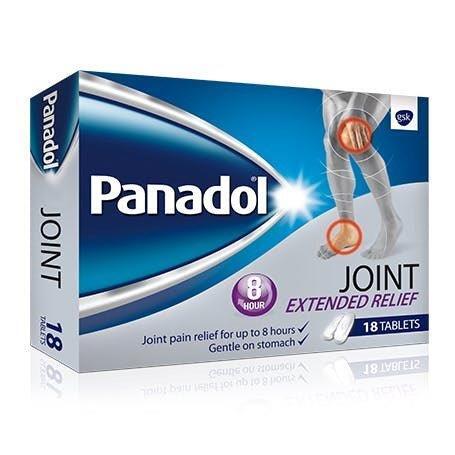
What is Panadol Joint and what does it contain
Panadol Joint is an extended-release paracetamol medicine, also called acetaminophen. It is made to relieve pain for longer than standard immediate-release paracetamol, so it is often used for joint pain, osteoarthritis pain, backache, muscle aches, and general body aches.
Each Panadol Joint tablet commonly contains paracetamol 665 mg in an extended-release form. Swallow the tablet whole, because crushing, chewing, or splitting it can change how the medicine is released and raise the risk of side effects.
| FeatureDetails | |
| Brand | Panadol Joint |
| Active ingredient | Paracetamol / Acetaminophen |
| Strength discussed | 665 mg extended-release tablet; 18-tablet pack |
| Form | Extended-release oral tablets |
| Main use | Temporary relief of joint pain and mild to moderate pain |
You can check the product page for Panadol Joint 18 ER tablets on Vezeeta for availability updates.
What is Panadol Joint used for
Panadol Joint is used for temporary relief of mild to moderate pain when longer-lasting coverage is helpful. Common uses include joint pain, minor arthritis pain, knee osteoarthritis pain, backache, muscle aches, headache, toothache, body aches, and fever.
It can ease pain, but it does not treat the cause of arthritis, repair cartilage, or reduce inflammation like anti-inflammatory medicines. If pain is ongoing, keeps returning, or is linked with swelling, warmth, redness, prolonged morning stiffness, fever, injury, or limited movement, it is better to book a rheumatologist on Vezeeta instead of relying on painkillers alone.
Panadol Joint dosage and how to use it
The usual adult dose is 2 tablets per dose, up to 3 times daily when needed. Do not exceed 6 tablets in 24 hours. Because the tablets are extended release, doses are usually spaced about 6 to 8 hours apart, depending on the product directions and professional advice.
Swallow the tablets whole with water. Do not crush, chew, dissolve, or split them. Panadol Joint may be taken with or without food; if it causes stomach discomfort, taking it after food may help. Use the lowest effective dose for the shortest necessary time, and do not combine it with any other medicine that contains paracetamol or acetaminophen, including many cold, flu, sinus, and combination pain medicines.
If you take it on a schedule and miss a dose, take it when remembered only if there is enough time before the next dose. Do not double the dose. If pain continues for more than a few days, keeps returning, or needs daily treatment, seek medical advice.
How long does Panadol Joint take to work
Paracetamol usually starts relieving pain within 30 to 60 minutes. Because Panadol Joint is extended release, its effect may last longer than regular paracetamol and may provide relief for up to about 8 hours in some people. If it does not help enough, do not take more than directed; the pain may need medical assessment or a different treatment.
What are the side effects of Panadol Joint
Most people tolerate paracetamol well when it is used correctly. Possible side effects include nausea, stomach discomfort, loss of appetite, headache, itching, rash, or sleep disturbance. Serious reactions are uncommon at recommended doses, but the risk rises with overdose, repeated high doses, liver disease, heavy alcohol intake, severe malnutrition, or taking more than one paracetamol-containing medicine.
Seek urgent medical help if you take more than the recommended dose, even if you feel well. Also get immediate care for yellow skin or eyes, dark urine, severe nausea or vomiting, severe upper abdominal pain, unusual tiredness, swelling of the face or throat, breathing difficulty, widespread rash, blistering, peeling skin, or any sign of a severe allergy.
Contraindications and precautions
Do not use Panadol Joint if you are allergic to paracetamol or any ingredient in the product. Ask a doctor before use if you have liver disease, heavy alcohol use, severe malnutrition, very low body weight, severe kidney impairment, or a history of paracetamol overdose.
Older adults and people taking several medicines should ask a doctor or pharmacist before regular use. People who have difficulty swallowing large tablets should also be cautious because extended-release tablets must not be broken. Stop self-treatment and get medical advice if pain gets worse, new symptoms appear, fever lasts more than 3 days, or redness and swelling are present.
Panadol Joint drug interactions
Important interactions include alcohol, warfarin and other oral anticoagulants, and medicines that affect liver enzymes, such as some epilepsy or tuberculosis medicines. Regular daily paracetamol use may increase INR and bleeding risk in some people taking warfarin, so monitoring may be needed. Cholestyramine may reduce paracetamol absorption if taken at the same time, while metoclopramide or domperidone may alter the speed of absorption. Always tell your doctor or pharmacist about all prescription medicines, over-the-counter products, and supplements you use.
Panadol Joint during pregnancy and breastfeeding
Paracetamol is commonly considered a preferred pain reliever during pregnancy when it is medically needed, but it should be used at the lowest effective dose for the shortest possible time. Pregnant women should ask a doctor if pain is persistent, severe, associated with fever, or requires repeated doses.
During breastfeeding, small amounts of paracetamol may pass into breast milk, but it is generally considered compatible with breastfeeding when used correctly. Ask a healthcare professional before repeated or high-dose use, especially if the baby is premature, unwell, or if the mother has liver or kidney disease.
Can Panadol Joint be taken every day and long term
Panadol Joint should not be taken every day for long periods unless a doctor advises it. Frequent long-term use may hide the cause of joint pain and can raise the risk of liver or kidney problems, especially with high doses, alcohol use, or other paracetamol-containing medicines. Ongoing joint pain often needs proper diagnosis and a broader treatment plan.
What are the alternatives to Panadol Joint
Alternatives depend on the cause and severity of pain. They may include regular paracetamol, other extended-release paracetamol products, topical anti-inflammatory gels, oral NSAIDs such as ibuprofen, naproxen, or diclofenac when appropriate, physiotherapy, weight loss for knee osteoarthritis, and condition-specific treatment for inflammatory arthritis. Do not switch to an NSAID without advice if you have a stomach ulcer, kidney disease, uncontrolled blood pressure, heart disease, NSAID-triggered asthma, or use blood thinners.
Panadol Joint price in Egypt
The price of Panadol Joint in Egypt may change with pack size, pharmacy availability, and supply updates. For the latest availability and price of the pack discussed here, check Panadol Joint 18 ER tablets on Vezeeta.
Frequently asked questions
What is Panadol Joint used for?
It is used for temporary relief of joint pain, minor arthritis pain, backache, muscle aches, headache, toothache, body aches, and fever.
How many Panadol Joint tablets can I take?
Adults commonly take 2 tablets per dose up to 3 times daily, with a maximum of 6 tablets in 24 hours. Do not exceed the pack instructions.
How should I take Panadol Joint?
Swallow the tablets whole with water. Do not crush, chew, split, or dissolve them. Leave suitable spacing between doses.
What is the difference between Panadol and Panadol Joint?
Regular Panadol usually contains immediate-release paracetamol, while Panadol Joint contains extended-release paracetamol for longer pain relief.
Does Panadol Joint make you sleepy?
It does not usually cause drowsiness because it does not contain a sedating antihistamine or opioid. Check other medicines if you feel sleepy.
Does Panadol Joint raise blood pressure?
It does not usually raise blood pressure like some NSAIDs can. However, people with hypertension should avoid long-term self-treatment.
Does Panadol Joint affect the kidneys?
Short-term recommended use is not usually harmful to healthy kidneys, but high doses, dehydration, severe kidney disease, or frequent long-term use may increase risk.
Is Panadol Joint anti-inflammatory?
No. It relieves pain and fever but does not treat inflammation like NSAIDs. Swollen, hot, or stiff joints need medical assessment.
Can Panadol Joint be taken with ibuprofen?
Some people can use paracetamol and ibuprofen in the same plan, but this should be checked with a doctor or pharmacist, especially with stomach, kidney, heart, or blood pressure problems.
Can Panadol Joint be used for knee osteoarthritis?
It may help reduce pain from knee osteoarthritis, but it does not rebuild cartilage or stop disease progression. Exercise, weight control, and medical review may also be needed.
Is Panadol Joint available in Egypt?
Yes, Panadol Joint is listed on Egyptian pharmacy platforms including Vezeeta, but stock and pack availability can vary.
What are Panadol Joint ingredients?
The active ingredient is paracetamol, also called acetaminophen, in an extended-release tablet form.
What should I avoid while taking Panadol Joint?
Avoid alcohol and any other medicine that contains paracetamol or acetaminophen unless a healthcare professional confirms it is safe.
Medical disclaimer
The information in this article is provided for general health education and does not replace medical advice from a doctor or pharmacist. Do not start, stop, or change the dose of any medication without consulting a qualified healthcare professional.