Pan-Amin G IV Infusion Uses, Dosage, Side Effects and Price
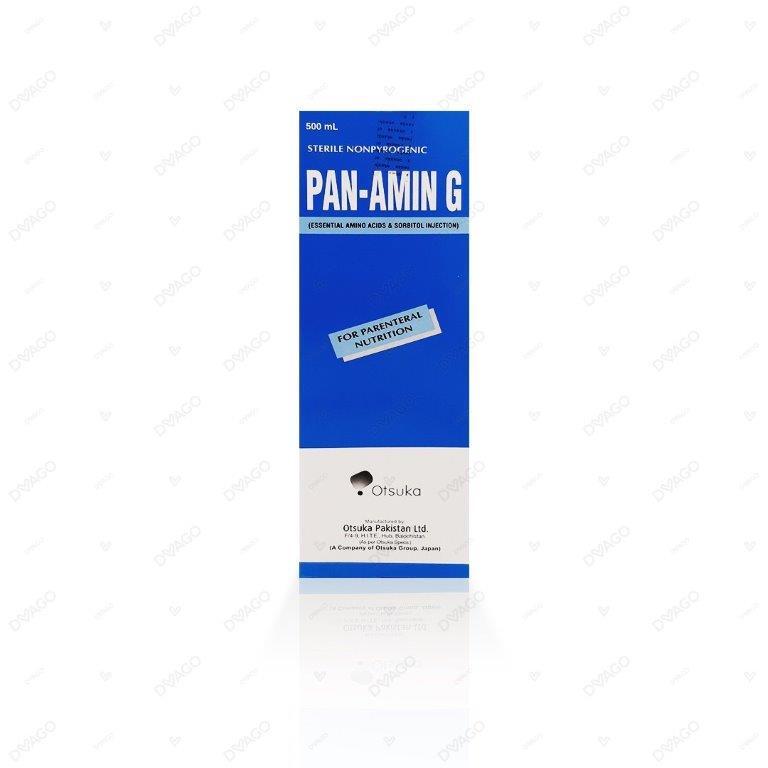
What is Pan-Amin G and what does it contain
Pan-Amin G, also searched as Pan Amin G, Panamin G, Pan-Amin G infusion, or بانامين جي محلول, is an intravenous amino acid solution. Amino acids are the building blocks used by the body to make proteins, support tissue repair, and reduce protein breakdown during illness or poor nutritional intake.
This product is not taken by mouth. It is given into a vein under medical supervision, usually as part of a wider nutrition plan that may also include glucose, lipids, electrolytes, vitamins, minerals, and fluid monitoring.
| FeatureDetails | |
| Brand | Pan-Amin G |
| Active ingredient | Amino acids |
| Strength discussed | 500 ml IV infusion bag |
| Form | Intravenous infusion solution |
| Main use | Nutritional amino acid support when oral or enteral nutrition is inadequate or unsuitable |
You can view the product listing here: Pan-Amin G I.V Infusion 500 ml on Vezeeta.
What is Pan-Amin G used for
Pan-Amin G is used as a source of amino acids for nutritional support. It may be prescribed when a patient cannot meet nutritional needs through meals or tube feeding, when the digestive tract needs rest, or when IV nutrition is needed as part of medical care.
Possible situations include severe illness, recovery after surgery, burns, malnutrition, intestinal failure, poor absorption, or increased protein breakdown. The exact reason must be determined by the treating doctor after assessing the patient’s condition, not by the product name alone.
If nutritional assessment is needed, you can use Vezeeta to book a dietitian and nutrition specialist.
Pan-Amin G dosage and how to use it
There is no single fixed dose for all patients. Amino acid infusion dose is calculated according to body weight, nutritional needs, illness severity, kidney and liver function, fluid allowance, electrolyte results, blood glucose, and whether the patient is receiving other calories such as dextrose or lipid emulsion.
The treating team must prescribe the daily volume, infusion rate, route, and added nutrients. Pan-Amin G should not be self-dosed using general ranges or previous prescriptions, because excessive or rapid infusion may cause fluid, metabolic, or electrolyte complications.
The infusion should be checked before use. It should not be used if the solution is cloudy, discolored, leaking, or contains particles. It should be given through an appropriate IV line using aseptic technique.
Before or after food
Pan-Amin G is not related to meals because it is an IV infusion. It may be used when food intake is not possible, not enough, or temporarily unsuitable.
Missed dose
If a scheduled infusion is delayed or missed, inform the medical team. Do not increase the rate or give an extra bag unless the doctor orders it.
How long does Pan-Amin G take to work
Pan-Amin G starts delivering amino acids during the infusion. Visible clinical benefit, such as better nutrition markers or wound support, may take days or longer and depends on the illness, calories, inflammation, kidney and liver function, and the full nutrition plan.
What are the side effects of Pan-Amin G
Possible side effects include nausea, flushing, fever, chills, headache, irritation at the injection site, vein inflammation, or discomfort around the IV line. Because it is often used within parenteral nutrition, side effects may also relate to the whole mixture or catheter.
Metabolic complications may include fluid overload, electrolyte imbalance, high blood urea nitrogen, high ammonia, acid-base disturbance, high blood sugar when dextrose is included, or kidney and liver strain. Long-term use needs monitoring for infection, clotting, liver changes, bone or trace-element problems, and aluminum accumulation risk in vulnerable patients.
Urgent symptoms
Seek urgent help for difficulty breathing, swelling of the face or throat, severe rash, chest pain, fainting, sudden fever during infusion, severe vein pain or redness, catheter infection signs, reduced urine, or worsening shortness of breath and swelling.
Contraindications and precautions
Pan-Amin G should not be used in patients with hypersensitivity to amino acid solutions or any component. It may be contraindicated or require special formulas in inborn errors of amino acid metabolism, hepatic coma, severe liver failure, severe renal failure or anuria without appropriate management, severe nitrogen-use disorders, and uncontrolled fluid or electrolyte imbalance.
Extra caution is needed in kidney disease, liver disease, heart failure, edema, pulmonary edema, diabetes, sepsis risk, acid-base disorders, and conditions requiring fluid restriction. Monitoring may include glucose, electrolytes, kidney and liver tests, acid-base balance, fluid balance, and nitrogen markers.
Pan-Amin G drug interactions
Important interactions are often related to the IV line and full parenteral nutrition mixture. Do not mix other medicines in the same bag or line unless compatibility has been confirmed by a pharmacist or medical team.
Ceftriaxone requires special caution with calcium-containing IV nutrition solutions because precipitation can occur, especially in neonates. Diuretics, antihypertensives, insulin, corticosteroids, and kidney-affecting medicines may require closer monitoring.
Pan-Amin G during pregnancy and breastfeeding
During pregnancy, parenteral nutrition may be considered when nutritional needs cannot be met orally or enterally. Pan-Amin G should be used only when clearly needed and under specialist supervision.
During breastfeeding, amino acid infusion should be used with medical supervision. The decision depends on the mother’s condition, the need for IV nutrition, other additives, and the benefit-risk assessment.
Can Pan-Amin G be taken every day and long term
Pan-Amin G may be prescribed daily as part of parenteral nutrition when medically necessary. Daily or long-term use must be guided by a nutrition support plan and regular blood tests.
Unsupervised long-term use is unsafe because of infection risk, catheter complications, liver problems, metabolic imbalance, fluid overload, and contaminant accumulation in susceptible patients.
What are the alternatives to Pan-Amin G
Alternatives depend on why IV amino acids are needed. Options may include oral nutritional supplements, high-protein diets, enteral tube feeding, other amino acid IV solutions, or complete parenteral nutrition bags.
Do not substitute Pan-Amin G without medical approval, because products differ in amino acid concentration, electrolytes, osmolarity, calories, volume, and suitability for peripheral or central veins.
Pan-Amin G price in Egypt
The price of Pan-Amin G IV infusion in Egypt may change according to availability, pharmacy updates, pack status, and delivery area. For the current price and availability, check the Pan-Amin G 500 ml product page on Vezeeta.
Frequently asked questions
What is Pan-Amin G used for?
It is used as an IV source of amino acids for nutritional support when oral or tube feeding is not enough or not suitable.
Is Pan-Amin G a vitamin?
No. It contains amino acids, which are protein building blocks, not vitamins.
Is Pan-Amin G the same as Pan Amin G or Panamin G?
Yes, these are common spelling variations. This article discusses Pan-Amin G IV infusion 500 ml.
Can Pan-Amin G be used at home?
Only within a supervised home parenteral nutrition program arranged by a doctor. It should not be used casually at home.
Does Pan-Amin G increase appetite?
No. It is not an appetite stimulant; it supports nutrition intravenously when medically needed.
Does Pan-Amin G cause weight gain?
It may support nutritional recovery as part of a calorie and protein plan, but it is not a weight-gain injection by itself.
Can Pan-Amin G be taken by mouth?
No. It is an intravenous infusion and must be administered through a vein by trained healthcare professionals.
Can children receive Pan-Amin G?
Pediatric use requires a specialist decision, age-appropriate formulation, and close monitoring.
Is Pan-Amin G safe for kidney patients?
Kidney disease requires careful dose adjustment and monitoring. Some patients may need specialized formulas.
Is Pan-Amin G safe for liver patients?
Liver disease requires caution, especially severe liver failure or hepatic coma where ammonia problems may occur.
Can Pan-Amin G be mixed with other medicines?
Only if compatibility is confirmed by the pharmacist or medical team.
What tests are needed during use?
Doctors may monitor electrolytes, glucose, kidney and liver function, fluid balance, acid-base status, nitrogen markers, and infection signs.
Medical disclaimer
The information in this article is provided for general health education and does not replace medical advice from a doctor or pharmacist. Do not start, stop, or change the dose of any medication without consulting a qualified healthcare professional.