Pamidin 250 mg tablets: uses, dosage, side effects, and price in Egypt
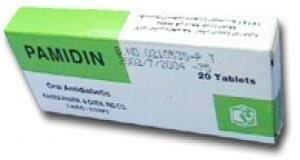
What is Pamidin and what does it contain
Pamidin 250 mg is an oral antidiabetic tablet. The active ingredient is chlorpropamide, a first-generation sulfonylurea. It lowers blood glucose mainly by stimulating the pancreas to release insulin and by improving the body’s response to insulin. It is intended for adults with type 2 diabetes when lifestyle measures alone are not enough.
The local product page for Pamidin 250 mg - 20 Tablet on Vezeeta identifies chlorpropamide as the active ingredient.
| FeatureDetails | |
| Brand | Pamidin |
| Active ingredient | Chlorpropamide |
| Strength discussed | 250 mg |
| Form | Oral tablets |
| Main use | Blood sugar control in adults with type 2 diabetes |
Difference between strengths/variants
Chlorpropamide has been available as 100 mg and 250 mg tablets in some markets. This article focuses on Pamidin 250 mg tablets. Do not split, combine, or switch strengths unless your doctor or pharmacist confirms that the new dose is appropriate for your glucose readings and overall health.
What is Pamidin used for
Pamidin is used with diet and exercise to improve blood sugar control in adults with type 2 diabetes mellitus. It is not suitable for treating type 1 diabetes or diabetic ketoacidosis, which require urgent medical care and insulin-based management.
People using Pamidin usually need regular follow-up with a diabetes specialist, especially when treatment is started, doses are changed, or other medicines are added. You can book a diabetes and endocrinology doctor on Vezeeta. For more disease context, you may also read Vezeeta’s page on type 2 diabetes mellitus.
Pamidin dosage and how to use it
The usual adult starting dose of chlorpropamide is commonly 100 to 250 mg once daily. The dose may be adjusted gradually, often by 50 to 125 mg steps, depending on blood glucose response and tolerability. Maintenance doses are commonly within 100 to 500 mg daily, and the maximum daily dose is 750 mg. Older adults usually need a lower starting dose because the risk of prolonged hypoglycemia is higher.
Take Pamidin exactly as prescribed. Do not increase the dose to correct high glucose readings unless your doctor tells you to. Check blood glucose as advised, keep regular HbA1c follow-up, and tell your doctor if you become ill, have surgery, develop fever, change your diet significantly, or increase exercise suddenly.
Before or after food
Pamidin is usually taken in the morning with breakfast or with the first main meal of the day. Taking it with food helps reduce stomach upset and lowers the chance of low blood sugar caused by taking the tablet without eating.
Missed dose
If you miss a dose, take it with food when remembered unless it is almost time for the next dose. If the next dose is near, skip the missed dose. Do not double the dose. If missed doses are frequent or your glucose becomes unstable, contact your doctor or pharmacist.
How long does Pamidin take to work
Pamidin starts lowering blood sugar after dosing, but the practical response is judged by home glucose readings over days and by HbA1c over weeks to months. Because chlorpropamide is long acting, low blood sugar can be prolonged. Dose changes should not be made too frequently; several days are usually needed between adjustments.
What are the side effects of Pamidin
The most important side effect is hypoglycemia. Symptoms may include hunger, sweating, shakiness, headache, dizziness, irritability, fast heartbeat, blurred vision, confusion, weakness, or fainting. Other possible side effects include nausea, stomach discomfort, diarrhea, skin rash, itching, photosensitivity, and abnormal liver tests. Rare but serious effects may include severe allergic reactions, severe skin reactions, low sodium, blood cell problems, and hemolytic anemia, especially in people with G6PD deficiency.
Urgent symptoms
Seek urgent care if you have severe confusion, seizures, loss of consciousness, persistent vomiting, severe weakness, chest pain, breathing difficulty, swelling of the face or throat, widespread blistering rash, yellowing of the skin or eyes, or repeated low blood sugar that does not improve after fast-acting sugar.
Contraindications and precautions
Do not use Pamidin if you are allergic to chlorpropamide or if you have diabetic ketoacidosis. It should not be used as sole treatment for type 1 diabetes. Extra caution is needed in older adults, malnourished patients, people who skip meals, and those with kidney disease, liver disease, heart disease, adrenal or pituitary disorders, G6PD deficiency, or a history of significant hypoglycemia.
Alcohol, intense exercise, fasting, acute illness, and irregular meals can increase the risk of low blood sugar. Pamidin may also increase the risk of low sodium in susceptible patients. Drive or operate machines carefully until you know how your glucose responds.
Pamidin drug interactions
Many medicines can change the effect of chlorpropamide. Tell your doctor about all prescription medicines, over-the-counter drugs, and supplements. Important interaction categories include insulin and other diabetes medicines, beta blockers, salicylates such as aspirin, some antibiotics and antifungals, corticosteroids, diuretics, thyroid medicines, oral contraceptives, and medicines that may affect liver or kidney function. Alcohol may increase the risk of low blood sugar and unpleasant reactions.
Pamidin during pregnancy and breastfeeding
Pamidin is generally not preferred during pregnancy. Insulin is often preferred when medication is needed to keep glucose close to target during pregnancy. If chlorpropamide is used, the prescriber may stop it before delivery because prolonged low blood sugar has been reported in newborns exposed to long-acting sulfonylureas near birth.
Chlorpropamide can pass into breast milk. Breastfeeding while using it is usually not recommended unless a specialist decides the benefit outweighs the risk and the infant can be monitored for signs of low blood sugar such as unusual sleepiness, poor feeding, jitteriness, low temperature, or seizures.
Can Pamidin be taken every day and long term
Pamidin may be prescribed as a daily long-term medicine for type 2 diabetes if it remains effective and safe for the individual patient. Long-term use requires regular glucose monitoring, HbA1c testing, kidney and liver assessment when appropriate, and review of hypoglycemia risk. If glucose control worsens despite adherence, the doctor may adjust the plan or switch therapy.
What are the alternatives to Pamidin
Alternatives depend on blood sugar pattern, kidney function, weight, cardiovascular risk, cost, and other medical conditions. Options may include metformin, other sulfonylureas such as gliclazide, glimepiride, or glipizide, DPP-4 inhibitors, SGLT2 inhibitors, GLP-1 receptor agonists, or insulin. Do not substitute Pamidin with another diabetes medicine without medical advice because dose equivalence and hypoglycemia risk differ.
Pamidin price in Egypt
The price and availability of Pamidin 250 mg in Egypt can change by pharmacy, stock status, and delivery area. Check the Pamidin product page on Vezeeta Pharmacy for current ordering information when available.
Frequently asked questions
What is chlorpropamide?
Chlorpropamide is an oral antidiabetic medicine from the sulfonylurea class. It helps the pancreas release more insulin and helps reduce high blood sugar in adults with type 2 diabetes.
What is chlorpropamide used for?
It is used with diet and exercise to improve blood sugar control in adults with type 2 diabetes. It is not used for type 1 diabetes or diabetic ketoacidosis.
Is chlorpropamide used to treat diabetes insipidus?
Chlorpropamide has been used historically in selected cases of central diabetes insipidus because it can affect antidiuretic hormone activity, but it is not a routine modern choice. Do not use Pamidin for diabetes insipidus unless an endocrinologist specifically prescribes it.
What is another name for chlorpropamide?
Diabinese is a well-known brand name for chlorpropamide in some references. Pamidin is a local brand containing chlorpropamide 250 mg.
Does Pamidin contain insulin?
No. Pamidin does not contain insulin. It stimulates the body’s own insulin release, so it works only when the pancreas can still produce insulin.
Can Pamidin cause low blood sugar?
Yes. Hypoglycemia is the key safety concern, especially if meals are skipped, alcohol is taken, exercise is intense, or the patient is elderly or has kidney or liver problems.
Can Pamidin be used in children?
Safety and effectiveness of chlorpropamide have not been established in people younger than 18 years. Pediatric diabetes treatment should be supervised by a specialist.
Can I drink alcohol with Pamidin?
Alcohol can increase the risk of hypoglycemia and may worsen glucose control. Ask your doctor whether alcohol is safe for you, and avoid drinking on an empty stomach.
What should I do if my blood sugar drops while taking Pamidin?
Take a fast-acting sugar source if you are conscious and able to swallow, then recheck glucose as advised. Seek urgent help if symptoms are severe, repeated, or do not improve.
Is Pamidin safe for kidney or liver patients?
It requires caution because kidney or liver impairment can increase the risk of prolonged low blood sugar. The doctor may choose a lower dose or another medicine.
Does Pamidin replace diet and exercise?
No. Pamidin is part of a complete diabetes plan that includes food choices, physical activity, glucose monitoring, and regular medical follow-up.
Medical disclaimer
The information in this article is provided for general health education and does not replace medical advice from a doctor or pharmacist. Do not start, stop, or change the dose of any medication without consulting a qualified healthcare professional.
Specialized Doctors

Raed Mohamed Alazab
Consultant of Diabetes, Endocrinology Hepatology and Gastroneotolo - Consultant of internal Medicine

Mohamed Hassan
Consultant in general internal medicine, diabetes, endocrinology and digestive system diseases - Ain Shams Medicine

Atef Nessim
Consultant of internal medicine , diabetes and endocrinology
Specialized Doctors
Raed Mohamed Alazab
Consultant of Diabetes, Endocrinology Hepatology and Gastroneotolo - Consultant of internal Medicine
Mohamed Hassan
Consultant in general internal medicine, diabetes, endocrinology and digestive system diseases - Ain Shams Medicine
Atef Nessim
Consultant of internal medicine , diabetes and endocrinology