Palipra 6 mg Uses, Dosage, Side Effects, and Price in Egypt
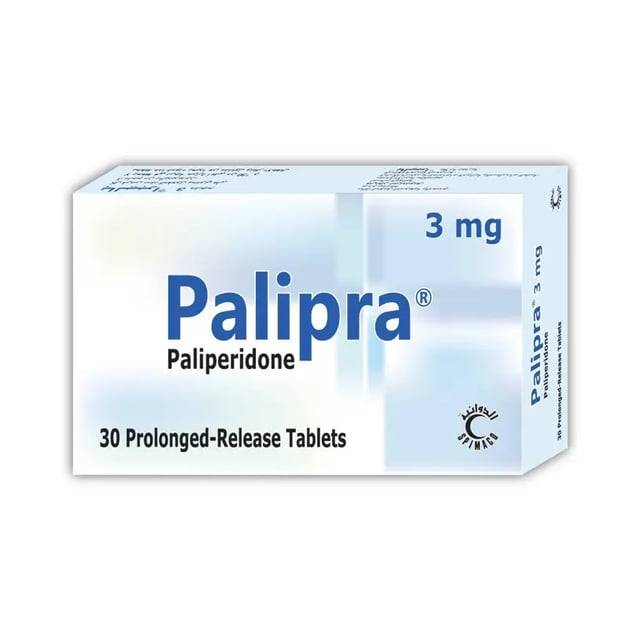
What is Paliper and what does it contain
Paliper is a brand of paliperidone extended-release tablets. The product discussed here is Paliper 6 mg, supplied as 7 extended-release film-coated tablets. Paliperidone belongs to a group of medicines called atypical antipsychotics. Its main role is to help control symptoms of schizophrenia, such as hallucinations, delusions, disorganized thinking, agitation, and relapse risk.
| FeatureDetails | |
| Brand | Paliper |
| Active ingredient | Paliperidone |
| Strength discussed | 6 mg |
| Form | Extended-release tablet |
| Main use | Treatment of schizophrenia |
The extended-release design releases the medicine gradually, so the tablet should be swallowed whole and not crushed, divided, or chewed. The verified Vezeeta product page is available here: Paliper 6 mg on Vezeeta Pharmacy.
What is Paliper used for
Paliper is mainly used for schizophrenia. Paliperidone is also used medically for schizoaffective disorder in some adult treatment plans, but the exact indication for a specific patient depends on diagnosis, age, previous response, kidney function, and other medicines.
Schizophrenia is a chronic mental health condition that can affect thinking, perception, emotions, and behavior. Medicines such as paliperidone are one part of treatment; follow-up, psychological support, family education, sleep regulation, and relapse-prevention planning are also important. If symptoms are severe, worsening, or include self-harm thoughts, urgent psychiatric care is needed. You can find appointments with a psychiatrist through Vezeeta psychiatry doctors.
Paliper dosage and how to use it
The usual adult dose of paliperidone extended-release tablets for schizophrenia is commonly 6 mg once daily. The dose range may be 3 to 12 mg daily depending on response and tolerability. Some patients need lower starting doses, especially if kidney function is reduced, and dose changes should be made only by the treating doctor.
Take Paliper once daily at the same time each day, preferably in the morning if your doctor has not advised otherwise. Swallow the tablet whole with water. Do not crush or split it, because this can interfere with the extended-release system and may increase side effects.
Before or after food
Paliperidone extended-release tablets may be taken with or without food. Try to take it consistently the same way each day because food can affect drug exposure in some people.
Missed dose
If you miss a dose, take it when you remember. If it is almost time for the next dose, skip the missed dose and return to the regular schedule. Do not take two doses together.
How long does Paliper take to work
Some patients may notice gradual improvement in agitation, sleep, or thought organization within days to a couple of weeks, but the full effect may take several weeks. Paliperidone levels usually approach steady state after several daily doses, yet clinical improvement varies by symptom severity, adherence, and whether other mental health conditions are present. Do not stop the medicine just because symptoms begin to improve.
What are the side effects of Paliper
Not everyone gets side effects, but paliperidone can cause:
- Sleepiness, dizziness, or reduced alertness.
- Restlessness, tremor, stiffness, or abnormal movements.
- Fast heartbeat or low blood pressure on standing.
- Nausea, indigestion, constipation, or dry mouth.
- Weight gain, increased appetite, or changes in blood sugar or cholesterol.
- Raised prolactin, which may cause breast enlargement, nipple discharge, menstrual changes, or sexual problems.
- Headache, tiredness, or anxiety.
Urgent symptoms
Seek urgent medical help for fainting, chest pain, irregular heartbeat, severe stiffness with fever and confusion, seizures, swelling of the face or throat, trouble breathing, uncontrolled face or tongue movements, painful erection lasting more than 4 hours, severe weakness, or signs of very high blood sugar such as extreme thirst and frequent urination.
Contraindications and precautions
Do not use Paliper if you are allergic to paliperidone, risperidone, or any ingredient in the tablet. It is not approved for dementia-related psychosis in elderly patients because antipsychotics may increase death and stroke risk in this group.
Tell your doctor before use if you have kidney disease, heart rhythm problems or long QT, low blood pressure, diabetes, high cholesterol, seizures, Parkinson’s disease, Lewy body dementia, low white blood cells, swallowing problems, bowel narrowing or blockage, dehydration risk, or a history of abnormal movements from antipsychotics. Avoid driving or operating machinery until you know how Paliper affects you.
Paliper drug interactions
Important interactions include alcohol and medicines that slow the central nervous system, because drowsiness and impaired coordination may increase. Drugs that lower blood pressure can increase dizziness or fainting. Carbamazepine may reduce paliperidone exposure, while valproate products may increase paliperidone exposure. Medicines that prolong QT interval may increase heart rhythm risk. Paliperidone may reduce the effect of levodopa and dopamine agonists, so Parkinson’s treatment plans require specialist review.
Paliper during pregnancy and breastfeeding
Do not start or stop Paliper during pregnancy without specialist advice. Untreated schizophrenia can be dangerous, but antipsychotic exposure in the third trimester may cause withdrawal-like or movement symptoms in newborns. The doctor weighs benefit and risk and may monitor the baby after delivery.
Paliperidone may pass into breast milk in small amounts. Breastfeeding decisions should be individualized, especially with newborn or premature infants. Watch the infant for excessive sleepiness, poor feeding, poor weight gain, tremor, jitteriness, or abnormal movements.
Can Paliper be taken every day and long term
Paliper is often prescribed as a daily maintenance medicine for schizophrenia when the benefits outweigh risks. Long-term use requires follow-up for weight, blood sugar, lipids, movement side effects, prolactin-related symptoms, blood pressure, and kidney function. Do not stop suddenly unless a doctor tells you to, because symptoms may return or worsen.
What are the alternatives to Paliper
Alternatives may include other antipsychotic medicines such as risperidone, olanzapine, quetiapine, aripiprazole, ziprasidone, haloperidol, or long-acting injectable antipsychotics. Choice depends on symptoms, side effects, adherence, previous response, metabolic risk, heart history, pregnancy plans, and cost. Do not substitute Paliper with another antipsychotic without a psychiatrist’s plan.
Paliper price in Egypt
Medicine prices and availability in Egypt can change. Check the current listed price and stock status through the verified product page: Paliper 6 mg price on Vezeeta, or ask a pharmacist.
Frequently asked questions
What is paliperidone used for?
Paliperidone is used mainly to treat schizophrenia and may also be used for schizoaffective disorder in adults when prescribed by a doctor.
What is paliperidone ER?
Paliperidone ER means extended-release paliperidone. The tablet releases medicine gradually over time and must be swallowed whole.
How does paliperidone work?
Its exact mechanism in schizophrenia is not fully understood, but its therapeutic effect is linked to blocking dopamine D2 and serotonin 5-HT2A receptors in the brain.
How long does paliperidone take to work?
Some improvement may appear within the first few weeks, but full benefit may take several weeks. Response differs from one patient to another.
What are the side effects of paliperidone?
Common effects include sleepiness, dizziness, restlessness, stiffness, tremor, fast heartbeat, constipation, indigestion, weight gain, and prolactin-related changes.
Does Paliper cause weight gain?
It can cause weight gain and metabolic changes in some patients. Weight, blood sugar, and cholesterol should be monitored during treatment.
Does Paliper make you sleepy?
Yes, sleepiness or dizziness may occur. Avoid driving until you know how the medicine affects you.
Is Paliper addictive?
Paliperidone is not a controlled substance and is not considered an addictive drug, but stopping it suddenly can lead to symptom relapse.
Can Paliper tablets be crushed?
No. Paliper extended-release tablets should not be crushed, split, or chewed.
Can children use Paliper?
Paliperidone may be used for schizophrenia in adolescents 12 to 17 years under specialist supervision. It is not established for schizophrenia under 12 years.
Can I drink alcohol with Paliper?
Alcohol should be avoided because it can increase sleepiness, dizziness, and impaired judgment.
Medical disclaimer
The information in this article is provided for general health education and does not replace medical advice from a doctor or pharmacist. Do not start, stop, or change the dose of any medication without consulting a qualified healthcare professional.