Paclitaxel 6 mg/mL Vial: Uses, Dosage, Side Effects and Price
What is Paclitaxel and what does it contain
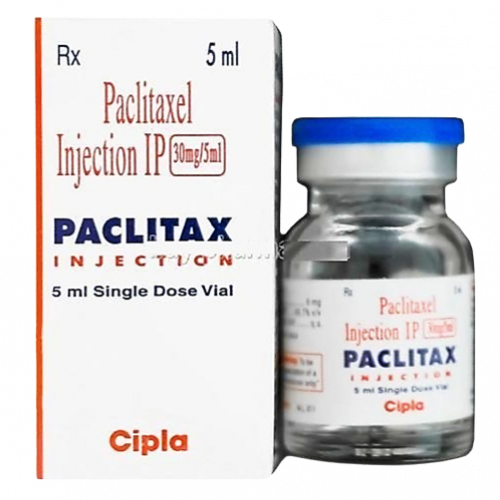
Paclitaxel is an anticancer chemotherapy medicine from the taxane group. The product discussed here is Paclitaxel 6 mg/mL vial 30 mg, meaning a 5 mL vial contains 30 mg paclitaxel. Taxol is a well-known brand name for the same active ingredient, so searches for Taxol, paclitaxel vial and paclitaxel medicine often refer to the same drug substance, although brands and formulations may differ.
| FeatureDetails | |
| Brand | Paclitaxel vial |
| Active ingredient | Paclitaxel |
| Strength discussed | 6 mg/mL, 30 mg vial |
| Form | Concentrate/solution for intravenous infusion |
| Main use | Chemotherapy for selected cancers |
You can view Paclitaxel 6 mg/mL vial 30 mg on Vezeeta. Paclitaxel works by stabilizing microtubules inside cells, which disrupts normal cell division and can help stop rapidly dividing cancer cells from multiplying.
What is Paclitaxel used for
Paclitaxel is used in oncology protocols for ovarian cancer, breast cancer, non-small cell lung cancer and AIDS-related Kaposi sarcoma. The exact role depends on the cancer type, stage, previous treatments, blood counts, liver function and the wider treatment plan. It may be used after surgery in some breast cancer regimens, for metastatic disease, or with platinum medicines in ovarian or lung cancer protocols.
Because paclitaxel is a specialist chemotherapy medicine, treatment decisions should be made by an oncology team. If you need specialist assessment, you can book an oncologist in Egypt. For general awareness, Vezeeta also has an article about breast cancer symptoms.
Paclitaxel dosage and how to use it
Paclitaxel is not self-administered. It is given by intravenous infusion in a hospital, infusion unit or oncology center by trained healthcare professionals. The dose is usually calculated by body surface area in mg/m², not simply by body weight or vial number.
Common adult regimens include doses such as 135 mg/m² or 175 mg/m² at intervals determined by the cancer protocol. Some regimens use a 3-hour infusion, while others use longer infusions. Dose reduction, delay or discontinuation may be needed if neutrophils, platelets or liver tests are abnormal, or if severe neuropathy or another serious toxicity occurs.
Before many conventional paclitaxel infusions, patients receive premedication such as a corticosteroid, an antihistamine and an H2 blocker to reduce the risk of hypersensitivity reactions. Monitoring is important, especially during early cycles.
Before or after food
Food does not directly affect paclitaxel because it is given into a vein, not swallowed. Follow your center’s instructions about meals, fluids and anti-nausea medicines on treatment day.
Missed dose
If an infusion appointment is missed, contact the oncology team as soon as possible. Do not try to compensate at home, because chemotherapy schedules require medical review and often blood tests.
How long does Paclitaxel take to work
Paclitaxel starts acting on dividing cells after infusion, but cancer response is not judged immediately. Doctors usually assess response after several cycles using symptoms, examination, tumor markers when relevant and imaging. How long paclitaxel stays in the body varies with dose, infusion duration, liver function and interacting medicines. Some effects, such as low blood counts or nerve symptoms, may last beyond the treatment day.
What are the side effects of Paclitaxel
Paclitaxel side effects vary by dose, combination therapy and patient health. Common or important effects include:
- Low white blood cells, which may increase infection risk.
- Anemia or low platelets.
- Hair loss.
- Nausea, vomiting, diarrhea or mouth soreness.
- Muscle or joint pain.
- Numbness, tingling or burning pain in the hands or feet.
- Tiredness and weakness.
- Injection-site irritation.
- Allergic or infusion reactions.
- Changes in liver tests.
Urgent symptoms
Seek urgent medical care for fever, chills, shortness of breath, swelling of the face or throat, severe rash, chest pain, fainting, unusual bleeding, black stools, severe diarrhea, dehydration, or rapidly worsening numbness or weakness. Fever during chemotherapy can be an emergency.
Contraindications and precautions
Paclitaxel should not be used in patients with a previous severe hypersensitivity reaction to paclitaxel or certain formulation components. It should generally not be given when baseline neutrophil counts are too low, and cycles may be delayed until blood counts recover. Patients with liver impairment may need special caution and dose adjustment.
Tell your doctor before treatment if you have liver disease, heart rhythm problems, active infection, previous severe allergy, nerve disease, or severe neuropathy from chemotherapy. Conventional formulations may contain solvents and alcohol, so dizziness or central nervous system effects may occur in some patients.
Paclitaxel drug interactions
Paclitaxel is affected by CYP2C8 and CYP3A4 pathways. Medicines that inhibit or induce these enzymes may change paclitaxel exposure. Examples include some antifungals, macrolide antibiotics, HIV protease inhibitors, rifampin, carbamazepine and gemfibrozil. Tell your oncology team about all prescriptions, over-the-counter medicines, supplements and herbal products.
Paclitaxel may be combined with carboplatin, cisplatin, doxorubicin, trastuzumab or other medicines when the protocol requires it. The sequence and timing matter; in many platinum-containing protocols paclitaxel is given before the platinum drug.
Paclitaxel during pregnancy and breastfeeding
Paclitaxel can harm an unborn baby and is generally contraindicated during pregnancy unless a specialist decides that a specific cancer situation requires it. Women who can become pregnant usually need effective contraception during treatment and for a period after the last dose. Men may also need fertility and contraception counseling. Breastfeeding is not recommended during paclitaxel therapy because anticancer medicines may harm the infant.
Can Paclitaxel be taken every day and long term
Paclitaxel is not taken every day like a tablet. It is given in cycles, and the schedule depends on the cancer protocol. Long-term or repeated use is possible in selected patients, but only with close monitoring of blood counts, nerve symptoms, liver function, infection risk and treatment response. Treatment may be delayed, reduced or stopped if toxicity becomes significant.
What are the alternatives to Paclitaxel
Alternatives depend on the cancer type and treatment goal. Options may include docetaxel, nab-paclitaxel, carboplatin-based regimens, cisplatin, doxorubicin, gemcitabine, targeted therapy, hormonal therapy, immunotherapy, radiotherapy or surgery. Paclitaxel should never be substituted automatically with another taxane or chemotherapy medicine because indications, dosing and safety differ.
Paclitaxel price in Egypt
The price of Paclitaxel in Egypt can change according to brand, vial strength, availability, hospital pricing and pharmacy updates. For the current product listing, check the Paclitaxel vial page on Vezeeta. Total chemotherapy cost may also include infusion center fees, lab tests, premedications and other cancer medicines.
Frequently asked questions
What is Paclitaxel?
Paclitaxel is a taxane chemotherapy medicine used to treat selected cancers by interfering with cancer cell division.
What is Taxol?
Taxol is a brand name for paclitaxel. Local brands and formulations may vary, so always check the active ingredient and strength.
What is paclitaxel used for?
It is used in protocols for breast cancer, ovarian cancer, non-small cell lung cancer and Kaposi sarcoma, depending on the case.
How is paclitaxel administered?
It is given as an intravenous infusion by trained healthcare professionals, usually after blood test review and premedication.
How does paclitaxel work?
It stabilizes microtubules, disrupting normal cell division and helping stop rapidly dividing cancer cells from multiplying.
What are the common side effects of Taxol?
Common effects include low blood counts, hair loss, nausea, muscle or joint pain, tiredness and peripheral neuropathy.
Why are carboplatin and paclitaxel given together?
They work through different mechanisms and may be combined in several oncology protocols when the expected benefit is appropriate.
Why is paclitaxel given before carboplatin?
Many protocols use this sequence because it has been studied and is part of established chemotherapy schedules.
How is paclitaxel dose calculated?
The dose is commonly calculated in mg/m² using body surface area, then adjusted for blood counts, liver function and side effects.
How long does paclitaxel stay in your system?
It varies by dose, infusion duration and liver function. Side effects such as low counts or neuropathy may persist after drug levels fall.
What is paclitaxel made from?
Paclitaxel is a taxane compound originally discovered from yew tree sources; modern medicines are produced by pharmaceutical manufacturing methods.
How much does paclitaxel cost?
The cost changes by brand, vial size and availability. Check a current pharmacy listing or ask the oncology center before each cycle.
Medical disclaimer
The information in this article is provided for general health education and does not replace medical advice from a doctor or pharmacist. Do not start, stop, or change the dose of any medication without consulting a qualified healthcare professional.
Specialized Doctors

Mohamed Abd Elhamed Hefny
Consultant in Oncology ,Hematology and Nuclear Medicine, Al-Azhar Medicine

Ahmed Ashour
Lecturer Clinical Oncology Faculty of Medicine Alexandria University

Moustafa Abbas
Consultant and MD in Oncology and Nuclear Medicine, Cairo University, Kasr Al-Ainy
Specialized Doctors
Mohamed Abd Elhamed Hefny
Consultant in Oncology ,Hematology and Nuclear Medicine, Al-Azhar Medicine
Ahmed Ashour
Lecturer Clinical Oncology Faculty of Medicine Alexandria University
Moustafa Abbas
Consultant and MD in Oncology and Nuclear Medicine, Cairo University, Kasr Al-Ainy