Paclitaxel 150 mg vial uses, dosage, side effects and price
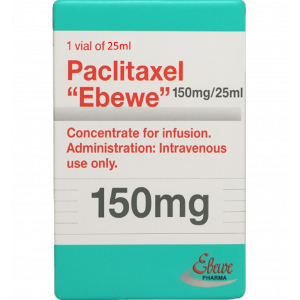
What is Paclitaxel 150 mg vial and what does it contain
Paclitaxel 150 mg vial is a chemotherapy medicine given by intravenous infusion. Its active ingredient is paclitaxel, a taxane that disrupts microtubules needed for cell division and slows the growth of sensitive cancer cells.
Taxol is a common brand name for paclitaxel. Patients may also search for paclitaxel vial or باكليتاكسيل. Brands, vial sizes and availability can differ. The verified product page for Paclitaxel 150 mg vial on Vezeeta can help patients check listed product details.
| Feature | Details |
|---|---|
| Brand | Paclitaxel; Taxol is a common brand name |
| Active ingredient | Paclitaxel |
| Strength discussed | 150 mg vial |
| Form | Intravenous vial for infusion |
| Main use | Chemotherapy for selected cancers under oncology supervision |
What is Paclitaxel 150 mg vial used for
Paclitaxel is used in specialist cancer treatment plans, including breast cancer, ovarian cancer, non-small cell lung cancer and AIDS-related Kaposi sarcoma. It may be used alone or with other anticancer medicines such as carboplatin, cisplatin or doxorubicin, depending on the cancer and the patient’s condition.
In breast cancer, it may be used after surgery or in metastatic disease. In ovarian and lung cancer, it is often part of combination protocols. If you need specialist assessment, you can book an oncologist on Vezeeta. The exact indication should be confirmed by the oncology team.
Paclitaxel 150 mg vial dosage and how to use it
Paclitaxel dose is not a fixed dose for all patients. It is usually calculated according to body surface area in mg/m², then adjusted according to the cancer protocol, liver function, blood counts, previous side effects and other chemotherapy medicines. Adult schedules vary; some protocols use 135 to 175 mg/m² by IV infusion every 3 weeks, while some breast cancer regimens use lower weekly doses. The treating oncologist must write the final dose and schedule.
Paclitaxel is administered only by intravenous infusion in a hospital or chemotherapy unit. Patients commonly receive premedication such as a corticosteroid, an antihistamine and an H2 blocker to reduce the risk of severe allergic or infusion reactions. Infusion time varies by protocol and product, but many conventional paclitaxel schedules use a 3-hour infusion.
Before or after food
Paclitaxel is not taken by mouth, so food does not directly affect absorption. Many patients can eat a light meal and drink fluids before chemotherapy if their team allows it. Do not start supplements, herbal products or extra anti-nausea medicines unless your doctor or pharmacist confirms they are safe with chemotherapy.
Missed dose
If you miss a chemotherapy appointment, contact the oncology unit as soon as possible. Do not change the next appointment yourself. The team may reschedule treatment after checking blood counts and your general condition.
How long does Paclitaxel 150 mg vial take to work
Paclitaxel starts affecting sensitive cancer cells after infusion, but benefit is usually judged after several cycles using symptoms, examination and scans. Side effects may appear during infusion or days later, especially low blood counts.
Some effects, such as fatigue, hair loss or neuropathy, may last longer than the drug itself. Ask your oncology team about the timing of vaccines, dental work, surgery or other procedures after treatment.
What are the side effects of Paclitaxel 150 mg vial
Common paclitaxel side effects include hair loss, tiredness, nausea, vomiting, diarrhea, mouth sores, muscle or joint pain, numbness or tingling in the hands and feet, nail changes and taste changes. It can also reduce white blood cells, red blood cells and platelets, increasing the risk of infection, anemia, bruising or bleeding.
Other possible effects include liver enzyme changes, low or high blood pressure during infusion, flushing, rash, swelling, slow or irregular heartbeat and injection-site irritation. Peripheral neuropathy may improve after dose reduction or after treatment stops, but it can persist in some patients.
Urgent symptoms
Seek urgent medical care for fever, chills, shortness of breath, chest pain, severe dizziness, swelling of the face or throat, widespread rash, severe diarrhea, uncontrolled vomiting, black stools, unusual bleeding, severe weakness, confusion or signs of infection. Severe hypersensitivity reactions can happen even with premedication.
Contraindications and precautions
Paclitaxel should not be used in patients with a serious allergy to paclitaxel or formulation ingredients such as polyoxyethylated castor oil in conventional products. It is also generally avoided when baseline neutrophil counts are too low, because the medicine can cause further bone marrow suppression.
Tell your doctor before treatment if you have liver disease, heart rhythm problems, previous severe neuropathy, active infection, recent vaccines, bleeding problems or a previous severe reaction to chemotherapy. Blood counts and liver function are usually monitored before cycles. Paclitaxel may affect fertility, so fertility preservation should be discussed before starting treatment when relevant.
Paclitaxel 150 mg vial drug interactions
Paclitaxel may interact with medicines that affect CYP2C8 or CYP3A4 enzymes, including some antifungals, macrolide antibiotics, HIV medicines, seizure medicines such as phenytoin or phenobarbital, and rifampicin. These medicines may change paclitaxel levels or toxicity risk.
When paclitaxel is used with platinum medicines such as carboplatin or cisplatin, the sequence and protocol matter. Paclitaxel is commonly given before carboplatin in many regimens because that sequence is built into established cancer protocols. Combining paclitaxel with doxorubicin may require cardiac monitoring. Live vaccines and additional immunosuppressive treatments should be discussed with the oncology team.
Paclitaxel 150 mg vial during pregnancy and breastfeeding
Paclitaxel can harm an unborn baby and is generally contraindicated during pregnancy unless the oncology team determines that a specialist risk-benefit plan is necessary. Women who can become pregnant should discuss reliable contraception before, during and after treatment. Men receiving chemotherapy should also ask about fertility and contraception guidance.
Breastfeeding is not recommended during paclitaxel treatment because anticancer medicines may pass into milk or harm the infant. The timing for restarting breastfeeding, if appropriate, must be decided by the treating specialist.
Can Paclitaxel 150 mg vial be taken every day and long term
Paclitaxel is not a daily medicine. It is given in cycles, often weekly or every 3 weeks, depending on the regimen. Treatment continues only while benefit outweighs risk. Doctors may delay, reduce or stop it if blood counts fall, neuropathy worsens, liver tests worsen or infusion reactions occur.
What are the alternatives to Paclitaxel 150 mg vial
Alternatives depend on the cancer type and treatment goal. Options may include other taxanes such as docetaxel or albumin-bound paclitaxel, platinum medicines such as carboplatin or cisplatin, anthracyclines, capecitabine, targeted therapy, immunotherapy, hormone therapy, radiotherapy or surgery. Any change must be made by the oncologist.
Paclitaxel 150 mg vial price in Egypt
The price of paclitaxel 150 mg in Egypt may vary by brand and availability. For the latest listing, check the verified Vezeeta Paclitaxel 150 mg vial page or ask your oncology pharmacist. Do not buy chemotherapy from unverified sources.
Frequently asked questions
What is paclitaxel used for?
Paclitaxel is used in specialist protocols for breast cancer, ovarian cancer, non-small cell lung cancer and Kaposi sarcoma. It may also be used in other cancers within established protocols.
Is Taxol the same as paclitaxel?
Taxol is a brand name for paclitaxel. Other products may contain the same active ingredient but differ in manufacturer, vial size, excipients and price.
How is paclitaxel administered?
It is given as an intravenous infusion by trained healthcare professionals. Premedication is often used to reduce infusion reactions.
How does paclitaxel work?
Paclitaxel stabilizes microtubules and interferes with cell division. This makes it harder for sensitive cancer cells to grow and multiply.
Why are carboplatin and paclitaxel given together?
They attack cancer cells in different ways and are used together in several standard protocols.
Why is paclitaxel often given before carboplatin?
The order is part of many established chemotherapy protocols. Patients should follow the sequence chosen by the oncology team.
How is the paclitaxel dose calculated?
The dose is usually based on body surface area in mg/m². It may be adjusted for blood counts, liver function, side effects and the treatment plan.
What are the common side effects of Taxol?
Common side effects include hair loss, nausea, fatigue, mouth sores, muscle or joint pain, numbness or tingling, diarrhea and low blood counts. Severity varies.
Can paclitaxel treat breast cancer?
Yes. Paclitaxel is used in several breast cancer settings, including after surgery and in metastatic disease, when selected by the oncology team.
How much does paclitaxel cost?
The cost varies by country, brand, vial strength and availability. In Egypt, check a current pharmacy listing or a hospital oncology pharmacy.
Can paclitaxel be used at home?
No. Conventional paclitaxel must be prepared and infused in a medical setting where patients can be monitored and treated quickly if a reaction occurs.
Does paclitaxel cause permanent nerve damage?
It can cause peripheral neuropathy. Many cases improve after dose adjustment or after treatment stops, but some symptoms may last longer or persist.
Medical disclaimer
The information in this article is provided for general health education and does not replace medical advice from a doctor or pharmacist. Do not start, stop, or change the dose of any medication without consulting a qualified healthcare professional.
Specialized Doctors

محمد عبد الحميد حفني
استشاري علاج الاورام وامراض الدم و الطب النووي طب الازهر

أحمد عاشور
استشاري و مدرس علاج الأورام والكشف المبكر للاورام

مصطفى عباس
إستشاري و دكتوراة في علاج الأورام و الطب النووي جامعة القاهرة القصر العيني
Specialized Doctors
محمد عبد الحميد حفني
استشاري علاج الاورام وامراض الدم و الطب النووي طب الازهر
أحمد عاشور
استشاري و مدرس علاج الأورام والكشف المبكر للاورام
مصطفى عباس
إستشاري و دكتوراة في علاج الأورام و الطب النووي جامعة القاهرة القصر العيني